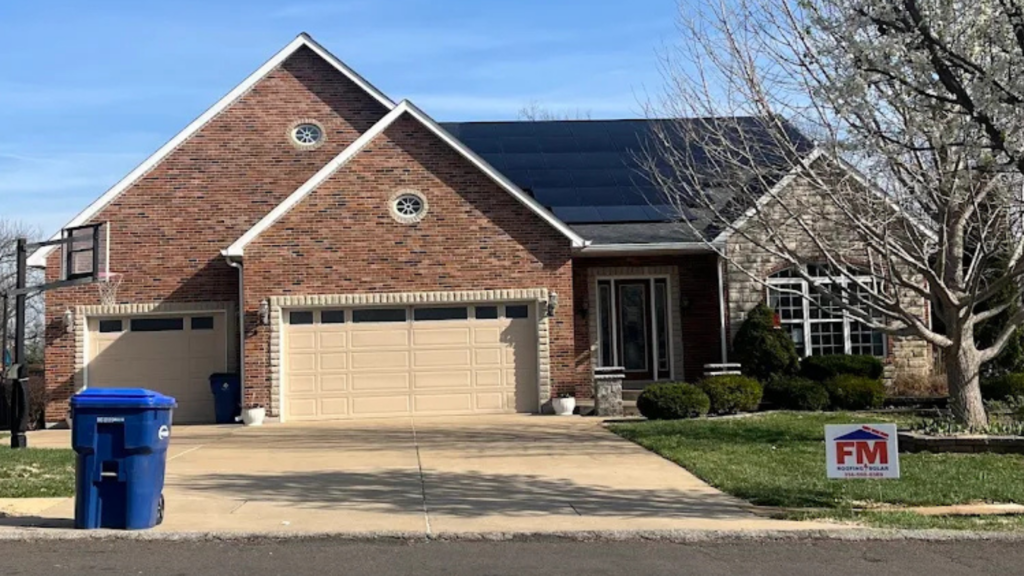
FM Roofing understands that Missouri homeowners expect their roofs to provide dependable protection through every season. However, roofing materials are constantly exposed to changing temperatures, sunlight, rain, wind, hail, snow, and ice. Over time, these conditions can affect roofing materials and shorten their expected service life. Understanding the weather effects on roofs Missouri homeowners experience can help property owners recognize early warning signs, plan maintenance, and make informed decisions about repairs or eventual replacement. While no homeowner can control the weather, proper installation, regular inspections, and timely maintenance can help reduce the impact of severe conditions on a residential roofing system.
Missouri Weather Creates Year-Round Roofing Challenges
A residential roof is exposed to the outdoors every day. Unlike many other parts of a home, the roof must continuously withstand changing environmental conditions while protecting the structure underneath.
Missouri’s weather can change considerably throughout the year. Homeowners may experience hot and humid summers, severe thunderstorms, strong winds, hail, heavy rainfall, freezing temperatures, snow, and ice.
Each condition affects roofing materials differently.
Summer heat may accelerate material aging, while winter freezing and thawing can place stress on roofing components. Heavy rainfall tests drainage and waterproofing systems, while wind can loosen or remove roofing materials. Hail can cause impact damage that may not always be obvious from the ground.
Because these conditions can occur repeatedly over the life of a roof, understanding the weather effects on roofs Missouri homeowners experience is an important part of long-term roof maintenance.
Heat and Sunlight Can Accelerate Roof Aging
Sunlight is one of the most consistent environmental influences on a roof.
Ultraviolet radiation can gradually affect roofing materials. Asphalt shingles, for example, can become less flexible as they age and may eventually develop cracking, curling, or other forms of deterioration.
High temperatures can add another layer of stress. During hot weather, roofing surfaces can become substantially warmer than the surrounding air.
Repeated heating and cooling can cause materials to expand and contract. Over many years, this repeated movement can contribute to gradual wear.
The effects vary depending on the roofing material. Some products are specifically designed to withstand high temperatures and UV exposure better than others.
Roof color, ventilation, roof orientation, shading, material quality, and installation also influence how much heat a roof experiences.
Homeowners researching the weather effects on roofs Missouri properties experience should therefore consider both temperature and sunlight when evaluating roof condition.
Summer Humidity Can Affect the Roofing System
Missouri summers can bring periods of high humidity. While outdoor humidity does not automatically damage a roof, excessive moisture within the attic can contribute to roofing problems.
Warm, humid indoor air can move into an attic through gaps in the ceiling or around penetrations. When this air encounters cooler surfaces, condensation may develop under certain conditions.
Persistent moisture can affect:
- Roof decking
- Insulation
- Wood framing
- Fasteners
- Ventilation components
Over time, moisture-related deterioration may weaken parts of the roofing assembly.
Proper insulation, air sealing, and attic ventilation can help manage moisture conditions. These systems should work together rather than being treated as isolated improvements.
When evaluating the weather effects on roofs Missouri homeowners notice, a roofing professional may inspect both the exterior roof and attic environment to determine whether moisture is contributing to deterioration.
Heavy Rain Tests Roof Protection
Rain is one of the most common environmental conditions a roof must manage.
A properly installed roofing system is designed to direct water toward gutters, downspouts, and other drainage paths. However, heavy rainfall can expose weaknesses in shingles, flashing, valleys, roof penetrations, and drainage systems.
Water can enter when roofing materials are damaged, flashing deteriorates, or installation problems create gaps.
Heavy rain can also reveal drainage problems. If gutters are clogged or downspouts cannot handle the water flow, water may overflow near the roof edge and affect fascia, siding, and other parts of the home.
Roof valleys deserve particular attention because water from two roof sections can converge in these areas.
Homeowners should inspect their roofs after significant storms from a safe location and watch for:
- Missing shingles
- Damaged flashing
- Water stains
- Overflowing gutters
- Debris accumulation
- Visible roof irregularities
The weather effects on roofs Missouri homeowners experience can become more apparent after periods of heavy rain because existing weaknesses may develop into visible leaks.
Wind Can Damage Roofing Materials
Strong winds are another significant threat to residential roofs.
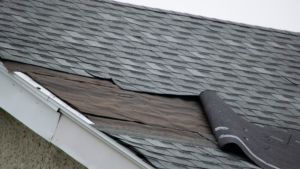
Wind can lift the edges of shingles, loosen roofing materials, damage flashing, and remove shingles entirely.
The risk of wind damage depends on the roofing material, installation quality, roof design, roof age, and severity of the storm.
Roof edges and corners can be particularly exposed because wind pressures may be greater in these areas.
When a shingle becomes loose, rain can potentially reach areas beneath the primary roofing surface. Even if a leak does not occur immediately, exposed materials may become more vulnerable to subsequent storms.
Homeowners should arrange a professional inspection when they notice missing shingles or other signs of wind damage.
Understanding the weather effects on roofs Missouri homeowners face also means recognizing that wind damage may not always be visible from ground level.
A roofing professional can safely inspect the roof and determine whether repairs are necessary.
Hail Can Shorten Roof Service Life
Hail is one of the most important weather-related concerns for homeowners in areas that experience severe thunderstorms.
Hail can strike roofing materials with considerable force. Asphalt shingles may suffer bruising, granule loss, cracking, or other impact-related damage.
Metal roofing can also be dented, depending on the material, thickness, impact severity, and other factors.
Some hail damage is obvious, while other damage may be more difficult to identify.
Granules from damaged asphalt shingles may accumulate in gutters or downspouts. Shingles may also show localized areas where the surface texture has changed.
A roof can continue to prevent obvious leaks after hail damage while still having compromised materials.
Homeowners should consider having the roof professionally inspected following a significant hailstorm.
The weather effects on roofs Missouri properties experience can vary from one storm to another, so the absence of an immediate leak does not necessarily mean that the roof is undamaged.
Thunderstorms Can Combine Multiple Roofing Risks
Missouri thunderstorms can bring several damaging conditions at once.
A single storm may involve:
- High winds
- Hail
- Heavy rainfall
- Lightning
- Falling branches
This combination can place considerable stress on a roofing system.
For example, wind may loosen shingles while heavy rain occurs at the same time. Hail can damage the surface while tree branches create physical impacts.
After severe thunderstorms, homeowners should check for visible changes from the ground and arrange a professional inspection when damage is suspected.
Storm inspections are particularly important for older roofs because existing deterioration may make roofing materials more vulnerable.
Understanding the weather effects on roofs Missouri homeowners experience after severe storms can help property owners respond before small problems develop into larger ones.
Snow Adds Temporary Weight to the Roof
Missouri winters can bring snow and ice, depending on the location and weather pattern.
Roofs are generally designed to carry expected environmental loads, but accumulated snow adds weight to the structure.
The effect depends on the depth, density, and moisture content of the snow, as well as the roof’s design and structural condition.
A roof that already has damaged framing or deteriorated decking may be more vulnerable to additional loads.
Homeowners should never climb onto a snowy or icy roof to remove snow themselves. Walking on such a surface creates serious fall risks and may also damage roofing materials.
If a roof develops unusual sagging or other structural concerns after significant snow accumulation, professional evaluation is appropriate.
Ice Can Create Roofing Problems
Ice can affect roofs in several ways.
When snow melts and refreezes, ice may accumulate near roof edges or in drainage areas. Under certain conditions, this can contribute to ice dams.
An ice dam forms when melting water moves toward a colder roof edge and freezes. Additional water can collect behind the ice barrier.
If water backs up beneath roofing materials, it may enter the roof assembly.
Proper attic insulation and ventilation can help reduce conditions that contribute to ice dam formation, although they cannot eliminate every possibility.
Roof design, exterior temperature, snow coverage, and sunlight also influence the process.
The weather effects on roofs Missouri homeowners experience during winter can therefore involve both the weight of snow and the moisture-related risks associated with freezing and thawing.
Freeze-Thaw Cycles Can Stress Roofing Materials
Missouri’s winter conditions may fluctuate between freezing and above-freezing temperatures.
When moisture freezes, it expands. When temperatures rise, the ice melts.
Repeated cycles can contribute to deterioration of certain roofing and building materials, particularly when water enters existing cracks or gaps.
Freeze-thaw conditions can affect:
- Flashing
- Sealants
- Masonry
- Roofing materials
- Decking
- Gutters
- Downspouts
Existing damage may become more noticeable after winter weather.
Homeowners should inspect the roof and exterior after periods of repeated freezing and thawing and address damaged components before spring rainfall increases moisture exposure.
Temperature Changes Affect Roofing Materials
Roofing systems experience temperature changes every day.
A roof may become warm during the afternoon and cool considerably after sunset. Seasonal changes create even larger temperature differences.
Materials respond differently to these changes. Some expand and contract more than others.
Over many years, repeated movement can contribute to material fatigue.
Proper installation allows roofing materials to perform within their intended operating range. Incorrect installation or incompatible materials can increase the likelihood of problems.
The weather effects on roofs Missouri homeowners experience are therefore not limited to severe storms. Everyday temperature fluctuations can also contribute to long-term roof aging.
Weather Can Affect Different Roofing Materials Differently
Not all roofing materials respond to weather in the same way.
Asphalt Shingles
Asphalt shingles are common on residential homes and can provide reliable protection when properly installed and maintained.
However, prolonged exposure to sunlight, heat, wind, hail, and moisture can contribute to deterioration.
Older shingles may become brittle, curl, crack, or lose granules.
Metal Roofing
Metal roofing can offer long-term durability, but it is still exposed to weather.
Panels, fasteners, seams, coatings, and flashing require appropriate maintenance.
Severe hail may dent certain metal panels, while improper installation or corrosion can affect performance over time.
Cedar Roofing
Cedar shakes and shingles are natural materials that can be affected by moisture, sunlight, temperature changes, and biological growth.
They require appropriate maintenance and installation to perform properly.
Synthetic Roofing
Synthetic roofing products are designed to provide specific performance characteristics, but they still require correct installation and maintenance.
Manufacturers provide specific information regarding weather resistance, exposure, and expected service life.
The best roofing material for a particular home depends on many factors, including design, budget, maintenance preferences, and local environmental conditions.
Weather Can Expose Existing Roofing Problems
Severe weather does not always create a roofing problem from scratch.
Sometimes it exposes an issue that was already developing.
For example, strong wind may lift a shingle that was already loose. Heavy rain may reveal a weak flashing detail that had not previously leaked. Snow and ice may make an existing structural weakness more apparent.
This distinction can be important when evaluating damage.
A professional inspection can help determine whether the roof has isolated storm damage, general deterioration, or a combination of both.
Homeowners should not assume that every problem discovered after a storm was necessarily caused by that storm.
The weather effects on roofs Missouri properties experience should be evaluated alongside the roof’s age, maintenance history, and previous condition.
Roof Ventilation Helps Manage Weather-Related Stress
Proper attic ventilation can help manage heat and moisture.
During summer, ventilation can help remove accumulated heat from the attic. During colder months, appropriate ventilation can help manage moisture under the right conditions.
A balanced ventilation system typically involves intake and exhaust pathways designed to work together.
However, ventilation is only one part of roof performance.
Poor insulation, air leakage, blocked vents, or improperly installed ventilation can reduce the effectiveness of the system.
Homeowners should have ventilation concerns evaluated rather than installing additional vents without understanding the existing airflow pattern.
A roofing professional can assess whether the attic environment may be contributing to premature roof deterioration.
Proper Insulation Supports Roof Performance
Insulation and ventilation should work together.
Adequate insulation can help reduce heat transfer between the living space and attic. Air sealing can help limit the movement of warm, moist indoor air into areas where condensation may occur.
This is particularly relevant during seasonal temperature changes.
A roof can have high-quality shingles and underlayment but still experience moisture-related problems if the attic environment is poorly managed.
When evaluating the weather effects on roofs Missouri homeowners see, attic conditions should be considered along with exterior roofing materials.
Gutters Protect Against Weather-Related Water Damage
Gutters are an important part of the home’s drainage system.
They collect water from the roof and direct it toward downspouts.
When gutters become clogged with leaves, twigs, and other debris, water may overflow.
Overflow can contribute to:
- Fascia damage
- Siding staining
- Foundation moisture
- Landscape erosion
- Ice buildup
- Roof-edge deterioration
Homeowners should clean and inspect gutters regularly, especially before periods of heavy rainfall.
Downspouts should also direct water away from the home’s foundation.
A roof’s ability to shed water depends on more than the shingles. The entire drainage system needs to function properly.
Trees Can Increase Weather-Related Roof Risks
Trees near a home can create additional risks during severe weather.
Branches may break during high winds and fall onto the roof. Even smaller branches can scratch or damage roofing materials.
Leaves can accumulate in valleys and gutters, while overhanging branches may increase shade and moisture retention.
Homeowners should regularly assess trees near their roofs and have potentially dangerous branches professionally trimmed.
Large or damaged trees may require evaluation by an arborist.
Maintaining nearby trees is one practical way to reduce certain weather-related roofing risks.
Regular Inspections Help Identify Weather Damage
Regular inspections provide homeowners with information about the condition of their roofing system.
A professional inspection may evaluate:
- Shingles or panels
- Flashing
- Valleys
- Roof penetrations
- Gutters
- Roof edges
- Underlayment where accessible
- Roof decking where visible
- Attic conditions
- Signs of moisture
- Storm-related damage
Inspections are especially useful after severe weather.
A homeowner may not notice missing flashing, lifted shingles, or subtle hail damage from the ground.
Identifying these problems early can make repairs more manageable.
Seasonal Roof Maintenance Can Extend Service Life
Homeowners can benefit from taking a seasonal approach to roof maintenance.
Spring
Spring is a useful time to inspect the roof for damage from winter weather.
Look for:
- Missing shingles
- Damaged flashing
- Gutter problems
- Ice-related damage
- Moisture issues
Summer
During summer, homeowners should monitor heat-related concerns and maintain drainage systems.
Trees should also be monitored for branches that may threaten the roof during thunderstorms.
Fall
Fall is a good time to clean gutters and remove accumulated debris.
Homeowners should also inspect the roof before winter weather arrives.
Winter
During winter, homeowners should monitor the roof from the ground and watch for unusual sagging, ice accumulation, or interior signs of moisture.
They should avoid walking on icy roofing surfaces.
Seasonal maintenance can help homeowners stay ahead of the weather effects on roofs Missouri homes experience throughout the year.
Prompt Repairs Can Prevent Larger Problems
Weather-related damage should not be ignored.
A missing shingle may seem like a minor issue, but an exposed area can allow water to reach underlying components.
A damaged flashing detail may become a recurring leak during every heavy rainfall.
A small section of damaged decking may deteriorate further if moisture continues entering the roof assembly.
Prompt repairs can help prevent localized problems from becoming more extensive.
Homeowners should obtain a professional assessment when they are unsure whether damage requires immediate attention.
Temporary Protection May Be Necessary After Severe Storms
Major storms can sometimes damage a roof before permanent repairs can be completed.
Temporary measures may be used to reduce additional water intrusion while homeowners arrange permanent repairs.
These measures can include professionally installed tarps or temporary coverings.
Homeowners should not climb onto a damaged roof to install temporary protection themselves.
A roof that has experienced structural damage, missing materials, or significant water intrusion may be unsafe to access.
Temporary protection should be considered a short-term measure, not a replacement for permanent repairs.
Insurance Considerations After Storm Damage
Homeowners may need to contact their insurance provider after certain types of storm damage.
Insurance policies differ, and coverage depends on the specific policy terms and circumstances.
Homeowners should document visible damage from a safe location and keep records of inspections, photographs, estimates, and repairs.
A roofing professional may provide documentation describing the condition of the roofing system.
Homeowners should avoid making assumptions about coverage and should communicate directly with their insurance provider about policy requirements.
It is also important to distinguish sudden storm damage from normal wear and tear.
A roof may have both conditions at the same time.
Planning for Roof Replacement Based on Weather Exposure
Weather conditions should be considered when homeowners plan for eventual roof replacement.
A roof that has experienced repeated severe storms may have different maintenance needs from a roof in a less exposed environment.
When choosing replacement materials, homeowners should consider:
- Expected service life
- Wind resistance
- Impact resistance
- Heat exposure
- Maintenance requirements
- Manufacturer specifications
- Roof design
- Budget
- Local weather conditions
The goal is not simply to choose the most expensive material. Instead, homeowners should select a roofing system that fits the property’s needs.
Understanding the weather effects on roofs Missouri homeowners face can help guide these long-term decisions.
Weather Exposure Should Be Part of Roof Lifespan Planning
Every roof has an expected service life, but weather exposure can influence how long that roof actually performs.
A roof may reach the upper end of its expected service life when it is properly installed, appropriately maintained, and not subjected to unusual damage.
Another roof may require earlier repairs or replacement because of severe storms, poor ventilation, improper installation, or repeated moisture exposure.
Homeowners should therefore avoid treating manufacturer lifespan estimates as guaranteed expiration dates.
The condition of the actual roof matters more than a number on paper.
Regular inspections can help homeowners determine how the roof is aging and when replacement planning should begin.
Common Mistakes Homeowners Should Avoid
Several maintenance mistakes can increase the impact of weather on a roof.
Ignoring small leaks can allow moisture to reach decking and structural components.
Delaying storm inspections can leave damaged materials exposed to additional weather.
Pressure washing shingles can remove protective granules and damage roofing materials.
Walking on the roof unnecessarily can damage shingles and create fall risks.
Ignoring clogged gutters can contribute to drainage problems.
Covering symptoms instead of fixing causes can result in recurring problems.
Choosing roofing materials based solely on appearance or price may overlook performance requirements.
Avoiding these mistakes can help homeowners protect their investment.
A Practical Weather-Related Roof Inspection Checklist
Homeowners can use this checklist when monitoring their roof:
After Heavy Rain
Look for:
- Interior water stains
- Overflowing gutters
- Damaged flashing
- Standing water
- Missing or displaced shingles
After Strong Winds
Check from the ground for:
- Missing shingles
- Lifted shingle edges
- Fallen branches
- Damaged flashing
- Exposed roof areas
After Hail
Look for:
- Visible impact marks
- Granule accumulation
- Damaged gutters
- Dents in metal components
- Other exterior storm damage
After Winter Weather
Watch for:
- Ice buildup
- Unusual roof sagging
- Damaged gutters
- Water stains
- Signs of moisture in the attic
A professional inspection is recommended when homeowners notice significant changes or are uncertain about the condition of the roof.
Protecting Your Roof Through Every Season
Weather is unavoidable, but homeowners can control how they respond to it.
Regular maintenance, professional inspections, proper drainage, adequate attic conditions, and prompt repairs can all help reduce the long-term effects of environmental exposure.
Homeowners should also keep records of roof repairs, inspections, storm damage, and replacement dates. These records can help establish a maintenance history and support future decisions.
When severe weather occurs, homeowners should prioritize safety. Roof inspections and repairs should be performed by qualified professionals, especially when the roof may have structural damage.
The goal is not to prevent every weather-related problem. Instead, homeowners should focus on detecting problems early and maintaining a roofing system that is prepared to handle normal seasonal conditions.
FM Roofing Can Help Missouri Homeowners Protect Their Roofs
At FM Roofing, we understand that Missouri homeowners cannot control the weather, but they can take practical steps to protect their roofing systems from its effects. Understanding the weather effects on roofs Missouri properties experience is an important part of responsible home maintenance.
Our team can help homeowners evaluate roofing conditions, identify signs of weather-related deterioration, and determine whether repairs or replacement may be appropriate. A professional inspection can provide valuable information about the current condition of the roofing materials, flashing, drainage, and other components.
Homeowners should not wait until a major leak develops before paying attention to the roof. Regular inspections and timely maintenance can help address problems while they are still manageable.
Final Thoughts on Weather Effects on Roofs Missouri
FM Roofing knows that the weather effects on roofs Missouri homeowners experience can accumulate over many years. Heat, sunlight, humidity, heavy rain, strong winds, hail, snow, ice, and freeze-thaw cycles can all influence roofing performance. While quality materials and proper installation provide an important foundation, ongoing maintenance and professional inspections are essential for identifying weather-related damage and protecting the roof over time.
Homeowners should pay particular attention after severe storms and seasonal weather changes. Missing shingles, damaged flashing, granule loss, unusual roof irregularities, water stains, and drainage problems should be evaluated rather than ignored. Early repairs may help prevent localized damage from becoming more extensive.
The weather effects on roofs Missouri homes experience also make proper attic ventilation, insulation, drainage, and tree maintenance important parts of overall roof care. These supporting systems work alongside the roofing materials to help protect the home from moisture and environmental exposure.
Ultimately, understanding the weather effects on roofs Missouri properties face allows homeowners to plan ahead rather than react only when problems become emergencies. With regular inspections, appropriate maintenance, quality roofing materials, and professional guidance from FM Roofing, homeowners can take proactive steps toward maintaining a durable and dependable roof through Missouri’s changing seasons.