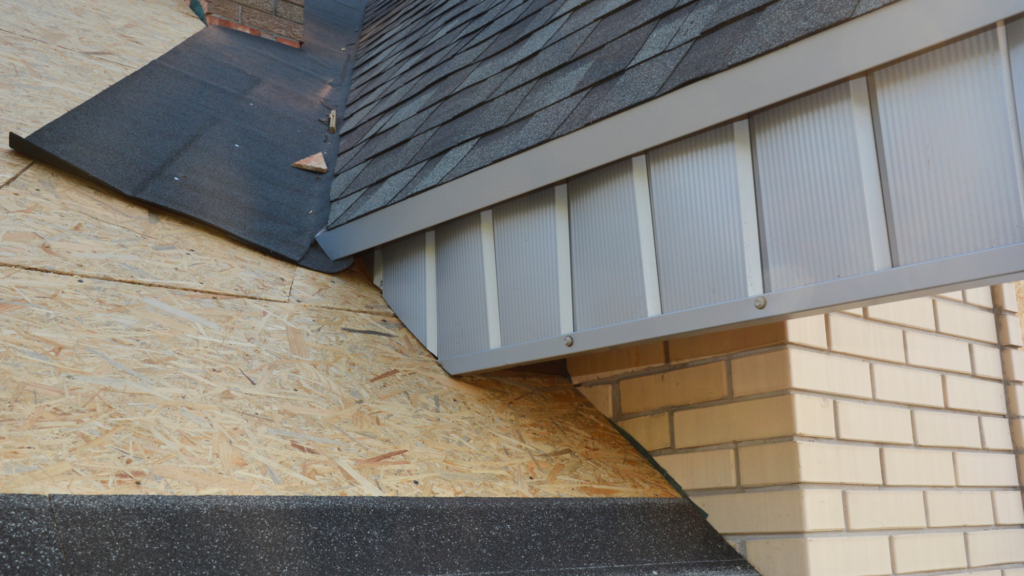
FM Roofing understands that a reliable roofing system involves more than the shingles, metal panels, or other materials homeowners see from the ground. One of the most important components protecting a home is the layer installed beneath the primary roofing material, known as roof underlayment. For homeowners researching roof underlayment Missouri solutions, understanding this hidden layer can help them make informed decisions about roof installation, replacement, and long-term maintenance. Although underlayment is not usually visible after a roofing project is complete, it plays a valuable role in helping protect the roof deck and interior of a home from moisture intrusion.
Understanding What Roof Underlayment Is
Roof underlayment is a protective material installed over the roof deck and beneath the primary roofing material. It creates an additional barrier against moisture that may pass through or beneath shingles, tiles, or other roof coverings.
Shingles and other exterior roofing materials serve as the first line of defense against rain, wind, sunlight, and other environmental conditions. However, no roofing material is completely immune to damage. Strong winds may lift shingles, storms may drive rain beneath roofing materials, and ice or debris may interfere with normal water drainage.
Underlayment provides another layer of protection when these situations occur. It can help reduce the risk of water reaching the roof deck and entering the attic or living areas.
For homeowners exploring roof underlayment Missouri options, the right product depends on the roofing material, roof design, local weather exposure, manufacturer requirements, and applicable building codes.
Underlayment does not replace shingles, flashing, proper installation, or effective drainage. Instead, it works alongside these components to create a complete roofing system.
Why Roof Underlayment Matters for Missouri Homes
Missouri experiences a variety of weather conditions throughout the year. Homes may face hot summers, cold winters, heavy rainfall, thunderstorms, strong winds, hail, and occasional ice or snow.
These changing conditions can place considerable stress on roofing materials. Even a roof that appears to be in good condition may experience moisture intrusion when shingles become damaged or when wind-driven rain reaches vulnerable areas.
A properly selected and installed underlayment helps provide secondary protection against these risks.
The importance of roof underlayment Missouri homeowners choose becomes especially clear during severe weather. When roofing materials are displaced by strong winds or damaged by hail, the underlayment may help limit water intrusion until repairs can be completed. However, the level of protection depends on the material, installation quality, roof design, and extent of the damage.
Underlayment is also important around roof valleys and other areas where water naturally concentrates. These locations may experience greater exposure to flowing rainwater, making proper detailing essential.
By considering underlayment during roof installation or replacement, homeowners can improve the overall reliability of their roofing systems.
The Relationship Between Underlayment and the Roof Deck
The roof deck is the structural surface attached to the roof framing. It commonly consists of plywood or oriented strand board, although construction methods vary.
Roofing materials and underlayment are installed over this surface to create the exterior roofing assembly. If moisture reaches the roof deck repeatedly, it can contribute to wood deterioration, mold growth, and damage that may require costly repairs.
Underlayment helps reduce the risk of moisture reaching the deck when water passes beneath the exterior roofing material.
However, underlayment cannot compensate for a damaged or structurally unsound roof deck. Before installing a new roofing system, a qualified roofing professional should evaluate the deck for soft spots, deterioration, water stains, and other signs of damage.
When homeowners compare roof underlayment Missouri products, they should also consider how the selected material works with the roof deck and the complete roofing assembly.
A sound deck, correctly installed underlayment, suitable roofing materials, and properly detailed flashing all contribute to a dependable roof.
Common Types of Roof Underlayment
Different underlayment products offer different characteristics. Understanding the available options helps homeowners discuss their needs with a roofing professional.
Asphalt-Saturated Felt Underlayment
Traditional asphalt-saturated felt, sometimes called roofing felt or tar paper, has been used beneath shingles for many years.
It generally consists of a fibrous base material treated with asphalt to improve its resistance to moisture. Felt underlayment is available in different weights and product specifications.
Its advantages may include familiarity among roofing contractors and compatibility with many traditional asphalt-shingle applications.
However, felt can be more vulnerable to tearing, wrinkling, and damage from prolonged exposure to weather during installation. Some products may also absorb moisture or become less manageable when wet.
Homeowners should understand that felt products vary in performance. A roofing professional can help determine whether a particular product meets the requirements of the selected roofing material and the property’s conditions.
Synthetic Roof Underlayment
Synthetic underlayment is manufactured using synthetic materials designed for roofing applications. Many products are lightweight, durable, and easier to handle than traditional felt.
Depending on the product, synthetic underlayment may provide improved resistance to tearing and greater flexibility during installation. Some varieties are designed to tolerate temporary exposure to outdoor conditions better than traditional alternatives.
These characteristics can be useful when a roofing project requires multiple installation stages or when weather conditions make scheduling more challenging.
However, not every synthetic product offers the same performance. Homeowners should review the manufacturer’s specifications, exposure limitations, installation requirements, and compatibility with the roofing material.
For people comparing roof underlayment Missouri options, synthetic products may be worth considering when durability and installation performance are priorities.
Self-Adhering Underlayment
Self-adhering underlayment uses an adhesive backing to bond to the roof deck or another approved surface. Many products include a waterproof membrane designed for vulnerable roof areas.
These materials may be especially useful in valleys, around certain roof penetrations, and near eaves where ice-related water intrusion is a concern.
Some products are designed for broader roof coverage, but their permitted applications vary. A contractor must follow the product instructions and applicable building requirements.
Self-adhering underlayment may cost more than some traditional options, but its performance can make it appropriate for specific parts of a roofing system.
Homeowners should not assume that every self-adhering product is suitable for every roof. The roof’s slope, deck material, climate exposure, and roofing manufacturer’s requirements all matter.
Understanding Ice and Water Protection
Ice and water protection membranes are specialized underlayment products intended to help protect vulnerable roof areas from water intrusion.
They are often installed along eaves, in valleys, and around other locations identified by the roofing design or applicable code.
During winter, melting snow can sometimes refreeze near roof edges, forming ice dams. When water backs up behind an ice dam, it may move beneath shingles and enter the roof assembly.
A properly selected and installed membrane can help reduce the risk of water reaching the roof deck in these vulnerable areas. It does not eliminate the possibility of ice dams, which may also be associated with heat loss, attic insulation, ventilation, and exterior temperatures.
For roof underlayment Missouri projects, the need for ice and water protection depends on local code requirements, the roof design, and the manufacturer’s installation instructions.
Homeowners should ask their roofing contractor where these membranes are recommended or required and how they will be integrated with the rest of the roofing system.
How Underlayment Works With Asphalt Shingles
Asphalt shingles are common on residential properties because they are available in many styles, colors, and price ranges.
Although shingles provide the primary weather-resistant surface, water can occasionally move beneath them during wind-driven rain or when the roofing system is damaged.
Underlayment serves as a secondary protective layer beneath the shingles. It can help direct incidental moisture toward the roof edge rather than allowing it to reach the deck.
The underlayment must be installed with appropriate overlaps and fastening methods. Incorrect installation can create channels where water may travel toward vulnerable sections of the roof.
Contractors must also pay attention to valleys, eaves, ridges, and penetrations. These details influence how effectively the roofing system manages moisture.
When planning roof underlayment Missouri installation beneath asphalt shingles, homeowners should confirm that the underlayment meets the shingle manufacturer’s requirements and is appropriate for the roof’s slope and configuration.
Using suitable materials throughout the roof assembly helps improve reliability and supports the expected performance of the shingles.
Underlayment for Metal Roofing Systems
Metal roofing is valued for its durability and ability to shed water when correctly installed. However, metal panels still require suitable supporting layers and detailing.
Underlayment beneath metal roofing can help protect the roof deck from moisture and may serve as a separation layer between the deck and the metal panels, depending on the system design.
Temperature changes cause metal panels to expand and contract. The selected underlayment must be compatible with the roofing system and its expected movement.
Some metal roofing systems require specialized high-temperature underlayment because the surface beneath the panels may become hot. Ordinary products should not be substituted for high-temperature materials when the roofing manufacturer’s specifications require them.
The correct approach depends on whether the roof uses standing-seam panels, exposed-fastener panels, or another metal roofing system.
Homeowners considering roof underlayment Missouri products for a metal roof should ask about temperature ratings, compatibility, installation requirements, and the manufacturer’s warranty conditions.
A properly designed metal roofing assembly includes more than the panels themselves. The underlayment, flashing, fasteners, ventilation, and drainage details must work together.
The Importance of Proper Underlayment Installation
Even a high-quality underlayment can perform poorly when installed incorrectly.
Installation involves more than rolling material across the roof deck. The contractor must prepare the surface, position the material correctly, follow required overlaps, use approved fastening methods, and address roof details carefully.
The roof deck should be reasonably clean, dry, and suitable for installation. Damaged sections may need repair or replacement before the underlayment is applied.
The material must be installed according to the manufacturer’s directions. Overlaps that are too small, misplaced fasteners, wrinkles, tears, or incorrect transitions may create weaknesses in the protective layer.
Contractors must also coordinate underlayment installation with flashing, drip edges, valleys, and other roofing components. The correct sequence can vary by roof design and product requirements.
Homeowners should not assume that a particular underlayment guarantees a leak-free roof. Proper installation and the performance of the complete roofing assembly are equally important.
When evaluating roof underlayment Missouri services, ask the contractor to explain the proposed installation method and how vulnerable areas will be protected.
Roof Slope and Underlayment Selection
Roof slope affects how quickly water moves off the roofing surface. Steeper roofs generally shed water more quickly than low-slope roofs, although design details and weather conditions also influence drainage.
Low-slope roofs may require specialized underlayment or a different roofing system because water can remain on the surface longer and may move beneath roofing materials more easily.
The term underlayment does not mean that every product is appropriate for every roof. Certain products are designed for steep-slope applications, while low-slope roofs often require membranes or other systems specifically approved for those conditions.
Homeowners should avoid selecting an underlayment based only on price or product name. The roof slope, primary roofing material, local building requirements, and manufacturer instructions should guide the decision.
For roof underlayment Missouri installations, contractors should verify the roof’s slope and determine whether the proposed product is approved for the intended application.
The right product helps support the roofing system’s overall moisture-management strategy.
Roof Valleys and Other Vulnerable Areas
Roof valleys form where two roof sections meet. Because rainwater from both sections flows toward the valley, these areas can experience concentrated water movement.
Underlayment and flashing details in valleys are therefore especially important.
Depending on the roofing system, a contractor may use a self-adhering membrane or another approved method to provide additional protection. The selected approach must be compatible with the roofing material and the valley design.
Other vulnerable areas include chimneys, plumbing vents, skylights, roof-to-wall intersections, and locations where equipment or other structures penetrate the roof.
These areas depend heavily on properly installed flashing and carefully integrated moisture barriers. Underlayment alone cannot prevent leaks when flashing is incorrectly installed or deteriorated.
A comprehensive roof installation should address every transition where water could enter the assembly.
When discussing roof underlayment Missouri options, homeowners should ask how the contractor plans to protect valleys and roof penetrations rather than focusing only on the large, open roof sections.
How Weather Can Affect Underlayment Performance
Missouri’s changing seasons create different challenges for roofing systems.
Summer heat can expose roofing materials to high surface temperatures. Winter conditions may introduce freezing temperatures, ice, and repeated cycles of thawing and refreezing. Spring and summer storms can bring strong winds, heavy rainfall, and hail.
Underlayment performance depends on its material properties, exposure limits, installation quality, and compatibility with the roofing assembly.
Some products are designed to tolerate temporary exposure before the primary roofing material is installed. Others require more limited exposure. Contractors must follow the manufacturer’s instructions and avoid leaving materials exposed longer than permitted.
Storm damage can also expose the underlayment to conditions it was not intended to withstand indefinitely. If shingles or panels are missing, the roof should be inspected promptly.
Although roof underlayment Missouri products can provide valuable secondary protection, homeowners should not treat exposed underlayment as a permanent roofing surface.
Prompt repairs help restore the complete system and reduce the risk of moisture damage.
Underlayment and Roof Ventilation
Roof ventilation helps manage heat and moisture in the attic. A properly designed ventilation system can support roof performance, especially when combined with suitable insulation and air sealing.
Underlayment and ventilation serve different purposes. Underlayment helps manage moisture beneath the exterior roofing material, while ventilation helps move air through designated attic spaces or roof assemblies.
One cannot replace the other.
Poor attic ventilation or excessive indoor moisture can contribute to condensation, damp insulation, and deterioration of wood components. These problems may resemble roof leaks, making accurate diagnosis important.
Homeowners should ensure that roofing work does not block designed ventilation openings or create unintended airflow problems.
A roofing contractor may identify ventilation concerns during an inspection and recommend further evaluation when necessary.
For homeowners researching roof underlayment Missouri solutions, considering the entire roofing assembly is more effective than focusing on a single component.
The roof deck, underlayment, roofing material, ventilation, insulation, and drainage all influence long-term performance.
Signs of Underlayment Problems
Because underlayment is usually hidden beneath shingles or panels, homeowners cannot always determine its condition from the ground.
However, several warning signs may indicate a problem somewhere in the roofing system.
These include:
- Water stains on ceilings or interior walls.
- Damp or discolored wood in the attic.
- Peeling paint near the ceiling.
- Persistent musty odors.
- Water entering around roof valleys or penetrations.
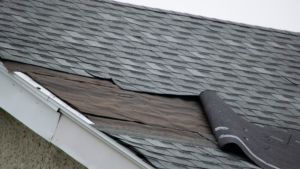
- Missing, lifted, cracked, or damaged shingles.
- Visible roof deck deterioration.
- Repeated leaks despite previous surface repairs.
These symptoms do not automatically mean the underlayment has failed. Damaged shingles, faulty flashing, condensation, plumbing issues, and other problems can produce similar signs.
A qualified roofing professional should investigate the source of moisture rather than assume that replacing the underlayment is always necessary.
If water is entering the home, protect belongings and avoid areas where ceilings are bulging or sagging. Keep away from wet electrical fixtures and contact an appropriate professional when electrical hazards may be present.
An inspection can help determine whether the issue requires a localized repair, replacement of damaged materials, or a broader roofing project.
Underlayment During Roof Replacement
Roof replacement provides an opportunity to evaluate the condition of the existing roofing assembly and improve areas that may have contributed to previous problems.
Once the old roofing materials are removed, the contractor can inspect the exposed deck and identify deteriorated wood, previous repairs, or other concerns that were not visible from above.
Damaged decking should be addressed before new underlayment is installed. Covering deteriorated wood without resolving the underlying issue can compromise the new roof.
The contractor can then select an underlayment compatible with the new roofing material and the roof’s design.
Homeowners should discuss whether the project includes replacing damaged decking, installing enhanced protection in valleys and at eaves, and correcting flashing or drainage problems.
Choosing roof underlayment Missouri products during replacement should involve more than selecting the least expensive material. The contractor should explain how the product fits the roof’s needs and what the manufacturer requires.
A properly planned replacement can improve the entire roofing system rather than simply covering the existing structure with new shingles.
Underlayment and Roofing Warranties
Roofing warranties vary by manufacturer and product. Some warranties cover manufacturing defects, while workmanship warranties address installation-related issues according to their written terms.
The underlayment selected for a roofing project may be subject to specific product requirements. Some roofing manufacturers require approved underlayment types or installation methods to qualify for certain warranty coverage.
Homeowners should review these requirements before installation begins.
Ask the contractor to identify the products being installed and provide relevant documentation. Keep invoices, warranty information, installation records, and details about any repairs.
It is also important to understand warranty exclusions. Improper maintenance, unauthorized alterations, installation errors, or damage caused by severe weather may affect coverage depending on the applicable terms.
The presence of a premium underlayment does not automatically extend the warranty for the entire roof.
When planning roof underlayment Missouri projects, homeowners should compare the written requirements of the roofing and underlayment manufacturers and clarify which warranties apply to each component.
Clear documentation can make future maintenance and warranty questions easier to manage.
Cost Factors for Roof Underlayment
Underlayment costs depend on several factors, including the product type, roof size, slope, accessibility, installation complexity, and the amount of preparation required.
Traditional felt may have a lower material cost than some synthetic or self-adhering products. However, the least expensive material is not always the most appropriate choice for the roofing system.
Labor costs may increase when the roof has numerous valleys, dormers, penetrations, steep sections, or complicated transitions. Removing old roofing materials and repairing damaged decking can also affect the overall project price.
Homeowners should compare estimates carefully. One contractor may include enhanced protection in vulnerable areas, while another may quote a more basic underlayment installation.
Ask whether the estimate identifies the product, installation method, included repairs, and any additional charges that could arise if damaged decking is discovered.
The cost of roof underlayment Missouri installation should be considered as part of the complete roofing investment rather than as an isolated purchase.
Paying for suitable materials and professional installation may help reduce the risk of avoidable moisture problems, although no roofing system can eliminate every possibility of damage.
Choosing a Roofing Contractor for Underlayment Installation
Selecting a qualified roofing contractor is essential when installing or replacing underlayment.
Homeowners should look for a professional who can explain the differences between available products and recommend an appropriate option for the home’s roof design.
Ask about experience with the specific roofing material, installation procedures, manufacturer requirements, and methods for protecting vulnerable roof areas.
A clear estimate should identify the proposed roofing materials and describe the work included. If the contractor recommends an upgraded underlayment, ask what practical benefit it provides for the property.
It is also reasonable to request information about insurance, applicable licensing requirements, workmanship warranties, and references when available.
Be cautious of claims that one product will make the roof completely waterproof under every circumstance. Underlayment is an important protective component, but overall performance depends on the complete roofing system.
For roof underlayment Missouri projects, homeowners should prioritize suitable materials, correct installation, and transparent communication.
A contractor who explains the reasoning behind the proposed system can help homeowners make decisions with greater confidence.
Maintaining Your Roof After Installation
Underlayment is generally not a component that homeowners maintain directly because it is concealed beneath the roofing material. Nevertheless, regular roof maintenance helps protect the underlayment by keeping the exterior roofing system in good condition.
Homeowners should arrange periodic roof inspections, particularly after severe weather or when the roof begins showing signs of wear.
Inspections can help identify missing shingles, damaged flashing, loose metal panels, blocked drainage areas, and other issues that could allow water to reach the underlayment.
Keep gutters and downspouts clear so rainwater can move away from the home. Trim branches that may scrape the roof or fall during storms, and address visible roofing damage promptly.
Avoid walking on the roof unless properly trained and equipped. Roofing surfaces can be slippery, and walking on them may damage materials or create serious fall risks.
If a leak develops, have the source identified rather than relying on repeated temporary patches without investigating the underlying cause.
Although the underlayment itself may remain hidden, maintaining the visible roofing materials helps preserve the protection it provides.
A Practical Roof Underlayment Checklist for Homeowners
Before installing a new roof or replacing an existing one, homeowners can use the following checklist to guide conversations with their roofing contractor.
Product selection
- Confirm which underlayment product will be installed.
- Verify compatibility with the chosen roofing material.
- Ask whether the product meets applicable building requirements.
- Review any exposure limitations and installation instructions.
Protection for vulnerable areas
- Discuss additional protection for valleys and eaves.
- Review flashing details around chimneys, vents, skylights, and roof-to-wall intersections.
- Confirm that drainage paths will remain functional.
- Ask how the contractor will address the roof’s specific design.
Roof preparation
- Ensure the roof deck will be inspected before installation.
- Ask how damaged or deteriorated decking will be handled.
- Confirm that the surface will be properly prepared.
- Clarify whether deck repairs are included in the estimate.
Installation and documentation
- Request a written description of the roofing assembly.
- Confirm that manufacturer instructions will be followed.
- Review workmanship and product warranty terms.
- Keep invoices, product details, photographs, and inspection records.
This checklist can help homeowners compare proposals and understand the work being performed.
When considering roof underlayment Missouri options, these questions provide a practical starting point for making an informed decision.
Protecting Your Home With the Right Roofing System
Roof underlayment may not be visible once construction is complete, but it contributes to the overall protection of a home. It helps provide a secondary barrier against moisture, supports the performance of the roofing assembly, and can reduce the risk of water reaching the roof deck when the exterior roofing material is compromised.
The best choice depends on the home’s roof design, primary roofing material, weather exposure, budget, and manufacturer requirements. Traditional felt, synthetic underlayment, and self-adhering membranes each have appropriate applications, and not every product is suitable for every roof.
Homeowners should also remember that underlayment works best when combined with a sound roof deck, properly installed shingles or panels, effective flashing, adequate ventilation, and reliable drainage.
Understanding roof underlayment Missouri options before a roofing project begins can help homeowners ask better questions, compare estimates, and avoid overlooking important details beneath the visible roofing material.