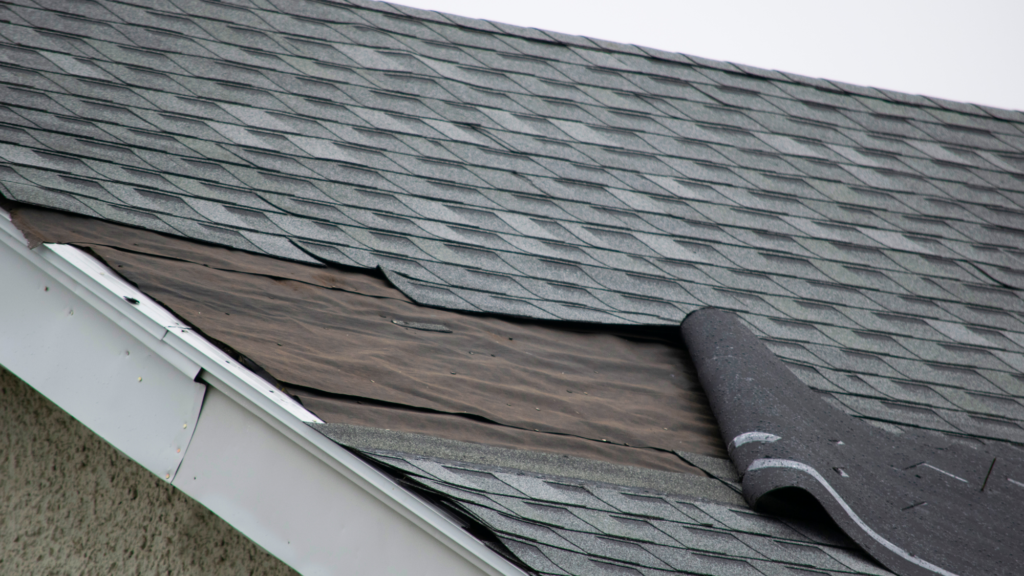
FM Roofing understands that curled or buckled shingles can be a warning sign that a home’s roofing system needs attention. Although minor shingle changes may appear to be a cosmetic issue, they can indicate problems involving moisture, ventilation, aging materials, or improper installation. For homeowners researching curled roof shingles Missouri, understanding the causes of these roofing problems is an important step toward protecting their property. Identifying the source early can help prevent leaks, reduce the risk of additional damage, and determine whether targeted repairs or a larger roofing project may be necessary.
Understanding Curled and Buckled Roof Shingles
Roof shingles are designed to create a protective surface that sheds rainwater and withstands normal weather exposure. Over time, however, shingles may begin to change shape because of age, heat, moisture, or installation problems.
Curling occurs when the edges or corners of a shingle lift or turn upward or downward. Some shingles curl along their sides, while others develop raised corners that no longer lie flat against the roof.
Buckling is different. It typically appears as a raised ridge, wave, or uneven area across a section of the roof. Instead of individual shingle edges curling, the roofing surface may look distorted because the shingles or the materials beneath them have shifted or expanded.
Both conditions deserve attention because they can interfere with the roof’s ability to shed water. Raised shingles may become more vulnerable to wind, while buckled areas can create gaps or uneven surfaces that allow moisture to enter.
Homeowners searching for curled roof shingles Missouri should understand that curling and buckling are symptoms, not specific diagnoses. The appearance of the roof alone may not reveal the underlying cause. A professional inspection can help identify the problem and recommend the appropriate solution.
Aging Roofing Materials Can Cause Shingles to Curl
One of the most common reasons shingles curl is natural aging. Asphalt shingles contain a combination of asphalt, reinforcing materials, and protective mineral granules. These components gradually deteriorate as the roof is exposed to sunlight, temperature changes, wind, and precipitation.
As shingles age, they may lose flexibility and become more brittle. Their edges can begin to lift, their surfaces may crack, and granules may loosen or wash away.
Older shingles are also more likely to experience damage during storms because they may no longer hold their original shape or resist wind as effectively as newer materials.
The expected service life of a roof depends on the shingle type, installation quality, attic conditions, maintenance history, and local weather exposure. Even shingles that have not reached the end of their expected lifespan can deteriorate prematurely if other roofing problems are present.
When homeowners notice curled roof shingles Missouri on an older roof, they should consider the overall condition of the roofing system rather than focusing only on the affected shingles.
If curling is limited to a small area, repairs may be possible. If the roof has widespread curling, cracking, granule loss, and other signs of deterioration, replacement may be the more practical long-term option.
Poor Attic Ventilation Can Contribute to Shingle Damage
Attic ventilation plays an important role in managing heat and moisture inside a home. When ventilation is inadequate or improperly balanced, the attic may retain excessive heat and moisture under certain conditions.
During hot Missouri summers, attic temperatures can rise significantly. Excessive heat may contribute to premature aging of roofing materials, particularly when combined with other installation or moisture problems.
Moisture buildup can also affect the roof deck and other building materials. If warm, humid indoor air enters the attic and encounters cooler surfaces, condensation may occur. Repeated moisture exposure can contribute to wood deterioration and changes in the roof assembly.
Ventilation problems do not automatically cause shingles to curl, and adding vents without evaluating the entire attic may not solve the issue. Air sealing, insulation, existing ventilation pathways, and the roof’s design must be considered together.
Homeowners investigating curled roof shingles Missouri should ask whether attic ventilation and moisture conditions need evaluation.
A qualified roofing professional can look for blocked soffit vents, inadequate exhaust ventilation, signs of condensation, and other conditions that may affect roof performance. Improving ventilation where necessary can support the roofing system, but already damaged shingles may still require repair or replacement.
Excessive Heat Can Accelerate Shingle Deterioration
Asphalt shingles are exposed to sunlight throughout the year, and high temperatures can contribute to the aging process. Heat alone does not mean a roof is defective, but excessive temperatures combined with poor ventilation or unsuitable materials can shorten the roof’s service life.
Dark-colored shingles may absorb more solar energy than lighter-colored alternatives, although overall roof temperature also depends on the roofing product, roof design, shading, and ventilation.
Repeated temperature changes cause roofing materials to expand and contract. Over many seasons, these cycles can contribute to material stress, especially when shingles are already old or have been installed incorrectly.
Heat can also affect shingles that were stored improperly before installation or exposed to unsuitable conditions during construction.
If curled roof shingles Missouri appear on a roof that is relatively new, the homeowner should not automatically assume that heat is the only cause. Installation details, shingle quality, roof deck conditions, and attic performance should also be reviewed.
A professional inspection can help determine whether the problem is localized or part of a broader roofing issue. Addressing contributing conditions may help protect the remaining roof, although severely distorted shingles usually cannot be restored to their original condition through ventilation improvements alone.
Moisture Problems Beneath the Shingles Can Cause Buckling
Moisture is a major concern when shingles begin to buckle. Roofing systems are designed to keep most rainwater on the exterior surface, but water can enter through damaged shingles, faulty flashing, or other weak points.
If the roof deck becomes wet, wood materials may swell or change shape. This movement can push the roofing materials above them upward, creating visible ridges or uneven sections.
Repeated wetting and drying can worsen the problem. Wood may expand when exposed to moisture and shrink as it dries, placing stress on fasteners and roofing materials.
Moisture may also come from condensation in the attic rather than a direct roof leak. This is why identifying the source is important before repairs begin.
Homeowners noticing curled roof shingles Missouri should check for other signs of moisture problems, such as attic staining, damp insulation, musty odors, or discoloration on ceilings. These signs do not prove that the roof deck is damaged, but they justify further investigation.
Simply replacing a few buckled shingles may not solve the issue if the deck beneath them remains wet or deteriorated. The underlying moisture source must be addressed, and damaged decking may need repair before new roofing materials are installed.
Improper Installation Can Lead to Buckling
Correct installation is essential to the performance of asphalt shingles. Even quality roofing materials can develop problems when the roof is installed without following manufacturer instructions.
Buckling may occur when shingles are installed over an uneven surface, when materials are not properly aligned, or when the roof deck is not adequately prepared.
Incorrect fastening can also create problems. Nails placed in the wrong locations, nails driven too deeply, or insufficient fastening may affect how shingles lie against the roof and how well they resist wind.
Some shingle products require specific installation temperatures or procedures. Failure to follow those requirements can affect how the shingles settle and seal.
Homeowners should be especially attentive when curled roof shingles Missouri appear soon after a roof replacement. A newer roof should not be assumed to be free of installation problems simply because the materials are relatively new.
A roofing contractor should examine the pattern of distortion, fastening details where accessible, the deck surface, and the installation history. The findings can help distinguish between workmanship issues, product concerns, and other contributing factors.
If the roof is under warranty, homeowners should review the applicable terms before authorizing extensive repairs. Documenting the problem with photographs and inspection records can also help support discussions with the original installer.
Roof Deck Problems Can Create Uneven Shingle Surfaces
The roof deck provides the base on which underlayment and shingles are installed. If this surface is uneven, damaged, or improperly prepared, the finished roof may develop visible irregularities.
Plywood and oriented strand board can deteriorate when exposed to repeated moisture. Fasteners may loosen, sections may become soft, and the deck may lose its ability to provide a stable surface for roofing materials.
Buckling may also develop when roof decking was installed without appropriate spacing or when the structure moves in ways that affect the roofing surface. The correct requirements depend on the deck material and construction details.
A wavy roof does not always mean that the shingles themselves are defective. The distortion may originate underneath them.
When curled roof shingles Missouri appear alongside raised ridges, sagging sections, or recurring leaks, homeowners should request a thorough assessment of the roof deck.
A contractor may need to remove some roofing materials to inspect the affected area. If the decking is damaged, the affected sections should be repaired or replaced before new shingles are installed.
Installing new shingles over a defective surface may leave the underlying problem unresolved and could lead to recurring distortion.
Moisture From Indoor Air Can Affect the Roof Assembly
Not every roofing moisture problem begins outside the home. Everyday activities such as cooking, showering, and drying clothes release moisture into indoor air.
If humid indoor air escapes into the attic through gaps around ceiling fixtures, attic hatches, plumbing penetrations, or other openings, condensation may develop under suitable temperature conditions.
Over time, persistent condensation can dampen insulation and wood components. It may contribute to mold growth, staining, and deterioration of the roof deck.
This type of moisture problem can be mistaken for a roof leak, especially when homeowners notice discoloration or dampness in the attic.
Proper air sealing, adequate insulation, and correctly designed ventilation can help manage moisture movement. However, the appropriate solution depends on the home’s construction and the actual source of the moisture.
Homeowners researching curled roof shingles Missouri should consider both exterior water intrusion and attic moisture when the signs are unclear.
A roofing inspection may identify visible roof-related concerns, while a qualified building professional may be needed to investigate complex ventilation, insulation, or condensation issues. Correctly identifying the source helps prevent unnecessary repairs and reduces the likelihood of recurring damage.
Incorrect Underlayment or Roofing Materials Can Contribute to Problems
Underlayment is installed beneath shingles to provide an additional layer of protection against moisture. It must be compatible with the roofing system and installed according to the manufacturer’s instructions.
Improperly installed underlayment, wrinkles in the material, or an unsuitable substrate may contribute to an uneven roofing surface. If the underlying layer is not laid correctly, the shingles above it may not sit as intended.
Material compatibility also matters. Roofing products are designed for particular applications, and not every combination of materials is appropriate for every roof.
If the roof deck or underlayment was exposed to moisture before the shingles were installed, the condition of those materials may affect the finished roof.
Homeowners who notice curled roof shingles Missouri after a recent installation should ask the contractor to review the full roofing assembly, including the deck, underlayment, flashing, and shingle installation.
The goal is not to assume that the underlayment is defective but to determine whether any layer beneath the shingles contributed to the visible problem.
A roofing system performs best when each component is selected and installed as part of a coordinated design.
Poor Shingle Alignment and Fastening Can Cause Distortion
Shingles must be aligned and fastened according to the product’s installation requirements. If the rows are uneven or the shingles are not properly positioned, the finished roof may appear irregular.
Fastening errors can also affect the shingles’ ability to remain flat. Nails that are too high, too low, overdriven, or underdriven may interfere with proper installation and wind resistance.
The number and placement of fasteners depend on the shingle product, roof slope, and applicable installation instructions. Some roofing systems require additional fastening in specific conditions.
Buckling can develop when materials are forced into position over an uneven surface or when the installation process does not allow the components to lie properly.
Homeowners should avoid trying to hammer curled or raised shingles back into place without understanding the cause. Doing so may crack brittle shingles, damage the surrounding materials, or fail to correct the underlying problem.
If curled roof shingles Missouri appear in repeated rows or consistent patterns, a professional may be able to identify installation-related concerns.
An inspection can determine whether isolated repairs are sufficient or whether a broader section of the roofing system needs corrective work.
Missouri Weather Can Affect Shingle Performance
Missouri’s weather can place a roof through substantial seasonal changes. Homes may experience hot summers, freezing winter temperatures, heavy rainfall, strong winds, thunderstorms, and hail.
These conditions can affect roofing materials in different ways. Wind may lift or loosen shingles, hail may damage their surfaces, and repeated wetting and drying may expose weaknesses in aging roofing materials.
Temperature fluctuations can also contribute to expansion and contraction within the roofing assembly. The impact depends on material quality, roof design, installation, and the condition of the existing roof.
Severe storms may cause immediate damage, while gradual weather exposure can produce problems that become visible over several years.
Homeowners searching for curled roof shingles Missouri should consider whether the problem appeared after a storm or developed gradually. The timing may help the contractor understand the possible causes, although it does not establish the cause by itself.
After severe weather, homeowners can inspect the property from the ground for missing shingles, fallen branches, or visible roof irregularities. They should avoid climbing onto the roof, particularly when it is wet, steep, or damaged.
A professional inspection can identify storm-related damage and help determine what repairs are needed to restore the roof’s protective function.
Hail and Wind Damage May Make Shingles More Vulnerable
Hail can damage asphalt shingles by dislodging granules, bruising the shingle surface, or causing other impact-related deterioration. The appearance and severity of damage depend on the hailstones, roofing material, roof age, and other factors.
Wind can lift shingle edges, break damaged tabs, or remove shingles entirely. Once the roofing surface is compromised, rainwater may enter through vulnerable areas.
A storm may also expose existing weaknesses in older shingles. For example, aging shingles that have already become brittle may be less resistant to additional stress.
However, curling is not automatically proof of hail or wind damage. Similar conditions can develop from aging, moisture problems, installation defects, or other causes.
If curled roof shingles Missouri appear after a major storm, homeowners should document the visible conditions from a safe location and arrange an inspection.
Photographs, the date of the storm, and records of any interior water damage may be useful when discussing the situation with a roofing contractor or insurance provider.
Homeowners should avoid making assumptions about insurance coverage. Policies differ, and coverage depends on the specific policy language, cause of damage, exclusions, and claim circumstances.
A professional assessment can help distinguish between storm damage and deterioration that developed over time.
Tree Shade and Debris Can Affect Roof Conditions
Trees provide shade and improve a property’s appearance, but branches and debris can create maintenance challenges for roofing systems.
Overhanging branches may scrape shingles during windy weather. Falling limbs can cause direct damage, while leaves and other debris may collect in valleys or interfere with drainage.
Shaded roof areas may remain damp longer after rainfall. Under favorable conditions, this can encourage moss or algae growth, especially when organic debris is present.
Moss can retain moisture and may affect roofing materials if it becomes established. Aggressive removal methods, such as pressure washing, can damage shingles and should generally be avoided.
Tree-related conditions do not automatically cause shingles to curl, but they can contribute to moisture retention and increase the likelihood of roofing problems.
Homeowners dealing with curled roof shingles Missouri should consider whether the affected area is shaded, frequently damp, or exposed to falling branches.
Keeping gutters clear, maintaining appropriate clearance between branches and the roof, and arranging safe roof inspections can help reduce avoidable problems.
Any tree trimming near power lines or large branches should be handled by qualified professionals. Roof maintenance should never put homeowners at unnecessary risk.
How to Recognize Early Warning Signs
Recognizing changes in the roof’s appearance can help homeowners arrange an inspection before damage becomes more extensive.
Common warning signs include:
- Shingle corners or edges lifting away from the roof.
- Raised ridges or waves across the roofing surface.
- Shingles that appear cracked, brittle, or uneven.
- Missing shingles or exposed areas of underlayment.
- Excessive granules collecting in gutters.
- Water stains on ceilings or attic surfaces.
- Repeated leaks in the same location.
- Flashing that appears loose or damaged.
- Roof sections that look uneven when viewed from the ground.
These signs do not all point to the same cause. For example, granule loss may indicate aging or storm-related damage, while interior staining can result from a roof leak or attic condensation.
Homeowners should not wait for a ceiling stain to appear before investigating visible shingle distortion. Curling may be an early indication that the roof needs attention, even when water has not yet entered the home.
When curled roof shingles Missouri are identified early, a professional may be able to address a localized problem before it affects a larger area.
Regular inspections are particularly valuable for older roofs and homes that have experienced recent severe weather.
When Curled Shingles Need Immediate Attention
Not every curled shingle creates an emergency, but some situations require prompt action.
Missing shingles, active leaks, exposed roof decking, or substantial storm damage can leave the home vulnerable to additional water intrusion.
If water is entering the home, move belongings away from the affected area when it is safe to do so. Avoid standing beneath a bulging ceiling, and do not touch wet electrical fixtures or wiring.
If a ceiling appears to be sagging under accumulated water, keep people away from the area and contact appropriate professionals. Do not climb onto a damaged roof to place a tarp or attempt repairs yourself.
Homeowners should arrange prompt professional attention when they see extensive buckling, widespread curling, or signs that the roof structure may be affected.
For curled roof shingles Missouri, the urgency depends on the extent of the damage, the weather forecast, and whether the roof’s protective surface has been compromised.
A contractor may recommend temporary protective measures before completing permanent repairs. Temporary measures should be installed safely and should not be treated as a substitute for correcting the underlying issue.
Repairing Curled and Buckled Roof Shingles
The appropriate repair depends on the cause, the number of affected shingles, and the condition of the surrounding roofing system.
If only a few shingles are damaged and the roof is otherwise in good condition, a contractor may be able to replace the affected shingles and correct a localized installation problem.
However, replacing individual shingles may not solve the problem if the roof deck is uneven, moisture remains trapped beneath the roofing materials, or ventilation problems are contributing to premature deterioration.
A professional may need to remove shingles in the affected area to examine the underlayment and roof deck. If the deck is damaged, the affected material should be repaired before new shingles are installed.
Repairs should use compatible materials and follow the shingle manufacturer’s instructions. Improperly matched products or incorrect fastening may create new vulnerabilities.
Homeowners should also understand that older shingles can become brittle. Attempting to lift or manipulate them may cause additional damage, so repairs are best handled by trained roofing professionals.
When curled roof shingles Missouri are limited to a small area, early intervention may help preserve the remaining roof. A full assessment is still important to determine whether the visible problem is isolated or part of a larger pattern.
When Roof Replacement May Be the Better Option
Roof replacement may be appropriate when curling or buckling affects a large portion of the roof or occurs alongside widespread aging, cracking, granule loss, and recurring leaks.
A roof nearing the end of its useful service life may require increasingly frequent repairs. At some point, the cost and limitations of repeated patching may make replacement a more practical choice.
Replacement may also be necessary when moisture has caused extensive deck deterioration or when the existing roofing assembly has broader installation problems.
The decision should be based on the roof’s actual condition rather than age alone. Some roofs may benefit from targeted repairs, while others may have multiple problems that make replacement the more reliable long-term solution.
Homeowners evaluating curled roof shingles Missouri should request a clear explanation of the findings and the available options.
A useful estimate should identify the affected areas, describe recommended work, explain whether decking repairs may be needed, and outline the materials and warranties included.
Comparing repair and replacement options can help homeowners plan their budgets and understand the likely maintenance needs of the roof.
Preventing Shingle Curling and Buckling
Although not every roofing problem can be prevented, several practices can help reduce the risk of premature shingle damage.
Schedule regular inspections. Periodic inspections can identify loose shingles, deteriorated flashing, drainage issues, and other problems before they become more serious.
Maintain attic ventilation and insulation. A properly designed system can help manage heat and moisture. Improvements should be based on the home’s actual conditions rather than simply adding vents.
Address leaks promptly. Water entering the roof assembly can damage decking and other materials. Finding and correcting the source helps prevent repeated moisture exposure.
Keep gutters and roof valleys clear. Proper drainage helps water move away from the roof and reduces the chance of debris-related problems.
Maintain nearby trees. Trim branches that threaten the roof and remove debris safely to reduce physical damage and prolonged moisture retention.
Use suitable materials and qualified installers. Roofing materials should be compatible with the roof design and installed according to manufacturer instructions and applicable requirements.
Inspect the roof after severe weather. A professional assessment can help identify damage that may not be visible from the ground.
These practices are especially relevant for homeowners monitoring curled roof shingles Missouri because weather exposure, roof age, and maintenance history can all influence long-term performance.
Choosing the Right Roofing Professional
A qualified roofing professional should be able to explain why the shingles are curling or buckling and what evidence supports the recommended solution.
Homeowners should ask whether the problem appears related to aging, moisture, ventilation, installation, roof deck movement, storm damage, or a combination of factors.
The contractor should explain whether the affected area can be repaired or whether the roof’s overall condition suggests replacement.
Written estimates should describe the work, materials, and any expected additional costs. If decking damage is discovered during repairs, homeowners should understand how the contractor will document and price the additional work.
It is also useful to review applicable insurance, licensing requirements, references, and warranty information.
Be cautious of contractors who recommend complete replacement without adequately explaining the roof’s condition, as well as those who promise that a simple patch will permanently resolve a problem without investigating its cause.
For curled roof shingles Missouri, the best roofing decision comes from an accurate inspection, a clear explanation, and a solution appropriate for the home’s actual needs.
Final Thoughts on Curled Roof Shingles
Curled and buckled shingles can develop for many reasons, including aging materials, excessive heat, inadequate attic ventilation, moisture intrusion, damaged decking, improper installation, and severe weather. Because these problems can look similar from the ground, identifying the underlying cause is essential before deciding whether repairs or replacement are necessary.
Homeowners should pay attention to raised shingle edges, uneven roof surfaces, recurring leaks, and other warning signs. Prompt inspection can help determine whether the damage is localized or indicates a broader problem with the roofing system. Maintaining gutters, managing attic moisture, trimming nearby trees, and arranging regular inspections can also support long-term roof performance.
Understanding curled roof shingles Missouri helps homeowners recognize potential problems and take practical steps to protect their properties. FM Roofing encourages homeowners to address visible shingle changes before they lead to more extensive damage. With a careful inspection, suitable materials, and professional repairs, FM Roofing can help homeowners make informed decisions about maintaining a reliable roof.