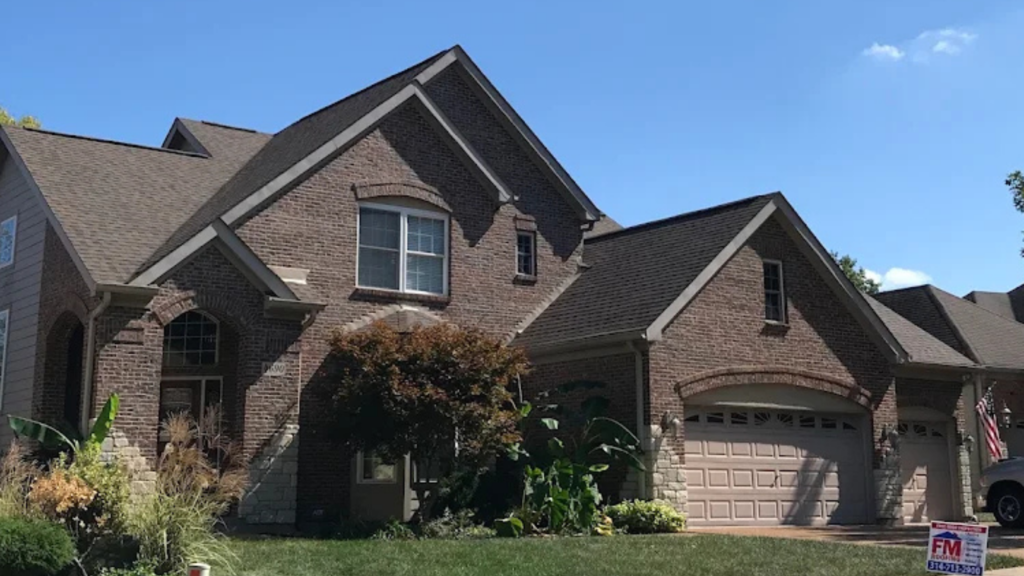
FM Roofing understands that homeowners want to know how long their roof can realistically protect their home and when they should begin planning for repairs or replacement. Understanding the residential roof lifespan Missouri homeowners can expect is an important part of maintaining a property, budgeting for future improvements, and avoiding unexpected roofing problems. While every roof is different, the material, installation quality, weather exposure, maintenance history, ventilation, and overall roof condition can all influence how long a residential roofing system remains effective.
A roof is one of the most important protective components of a home. It helps shield the interior from rain, wind, snow, ice, sunlight, and changing temperatures. Because Missouri experiences a wide range of weather throughout the year, homeowners should consider local climate conditions when evaluating their roof’s expected service life.
The residential roof lifespan Missouri homeowners experience can vary significantly from one property to another. Two homes with roofs installed during the same year may not require replacement at the same time. Regular inspections, prompt repairs, proper attic ventilation, and routine maintenance can all contribute to longer-lasting roof performance.
Understanding Residential Roof Lifespan in Missouri
The lifespan of a residential roof refers to the period during which the roofing system can continue providing reliable protection when properly maintained.
Roof lifespan is not an exact expiration date. Manufacturers may provide expected service-life ranges for different roofing materials, but actual performance depends on many factors.
Important influences include:
- Roofing material
- Installation quality
- Roof slope
- Climate exposure
- Ventilation
- Maintenance
- Storm damage
- Sun exposure
- Moisture
- Roof design
- Previous repairs
- Overall structural condition
For homeowners researching residential roof lifespan Missouri, it is important to understand that the age of a roof alone does not determine whether replacement is necessary.
A professional inspection can provide a much clearer picture of the roof’s current condition.
Asphalt Shingles Are Common on Missouri Homes
Asphalt shingles are among the most common residential roofing materials used on homes.
Their expected service life can vary depending on the type and quality of the shingles. Basic asphalt shingles may have shorter expected lifespans, while architectural or premium shingles may be designed for longer service.
Homeowners should review the manufacturer’s information for the specific roofing product installed on their home.
Missouri weather can also influence performance. Strong sunlight, temperature changes, heavy rain, wind, hail, snow, and ice can all contribute to gradual deterioration.
For this reason, the residential roof lifespan Missouri homeowners experience with asphalt shingles depends on both product quality and environmental exposure.
Architectural Shingles Can Provide Longer Performance
Architectural shingles are generally designed with a dimensional appearance and may provide greater durability than basic three-tab shingles.
Their construction can make them an attractive choice for homeowners looking for a balance between appearance, performance, and cost.
However, even premium asphalt shingles require maintenance.
A higher-rated shingle does not eliminate the effects of:
- Severe storms
- Hail
- High winds
- Improper installation
- Poor ventilation
- Excessive moisture
- Lack of maintenance
Homeowners should still schedule inspections throughout the roof’s life.
Metal Roofing Can Have a Long Service Life
Metal roofing can provide a significantly different lifespan compared with asphalt shingles.
Depending on the specific material, coating, installation quality, environmental exposure, and maintenance, a properly installed metal roof can remain functional for many decades.
Metal roofing may be made from materials such as steel, aluminum, or other metal systems.
However, longevity depends on more than the metal itself.
Fasteners, seams, flashing, coatings, penetrations, and drainage components also need attention.
A metal roof should therefore be inspected periodically even when it appears to be in good condition.
For homeowners comparing the residential roof lifespan Missouri offers across different roofing materials, metal roofing can be an attractive long-term option.
Cedar Roofing Requires Specialized Maintenance
Cedar shakes and shingles can provide a distinctive appearance, but they require different maintenance compared with asphalt roofing.
Wood roofing is affected by moisture, sunlight, ventilation, biological growth, and weather exposure.
Proper installation and maintenance are especially important for preserving the material.
Homeowners considering cedar roofing should understand that its maintenance requirements may be greater than those of some other residential roofing materials.
The expected residential roof lifespan Missouri homeowners receive from cedar roofing can depend heavily on maintenance and environmental conditions.
Synthetic Roofing Materials Offer Modern Alternatives
Synthetic roofing products are designed to replicate the appearance of materials such as slate or wood while offering different performance characteristics.
Depending on the product, synthetic roofing can provide resistance to certain types of weather exposure and may require less maintenance than natural materials.
Homeowners should evaluate the manufacturer’s specifications, installation requirements, and expected service life before selecting a synthetic roofing system.
The specific product matters because synthetic roofing systems are not all identical.
Missouri Weather Can Affect Roof Longevity
Missouri’s climate can expose residential roofs to many different weather conditions.
A roof may experience:
- Hot summer temperatures
- Strong sunlight
- Heavy rainfall
- Thunderstorms
- High winds
- Hail
- Snow
- Ice
- Freeze-thaw cycles
- Rapid temperature changes
Each of these conditions can contribute to roofing wear over time.
Severe weather can also cause sudden damage that shortens the expected service life of a roof.
This is why the residential roof lifespan Missouri homeowners should expect cannot be determined by material alone.
Summer Heat Can Accelerate Roofing Wear
Hot temperatures can place stress on roofing materials.
During summer, roofing surfaces can become significantly hotter than the surrounding air. Repeated heating and cooling can contribute to material movement and gradual deterioration.
UV exposure can also affect roofing materials over time.
Some roofing products are specifically designed to resist sunlight and heat, but all roofing systems benefit from appropriate installation and maintenance.
Proper attic ventilation can also help manage heat and moisture within the roofing assembly.
Winter Weather Can Affect Roof Performance
Missouri winters can expose roofs to cold temperatures, snow, ice, and freeze-thaw conditions.
Moisture can enter small cracks or damaged areas and freeze when temperatures drop. Repeated freezing and thawing can contribute to deterioration.
Ice and snow can also place additional loads on the roof.
Homeowners should pay attention to roof conditions following winter weather and arrange an inspection if they notice leaks, damaged shingles, or other concerns.
Hail Can Shorten a Roof’s Service Life
Hail is one of the weather-related concerns Missouri homeowners should take seriously.
A roof can appear relatively normal from the ground after a storm while still having damaged shingles or other roofing components.
Hail damage may include:
- Bruised shingles
- Cracked roofing materials
- Granule loss
- Damaged flashing
- Dents in metal components
- Damage around roof penetrations
Even when damage does not cause an immediate leak, it may affect the roof’s long-term performance.
A professional inspection after a significant hailstorm can help homeowners identify problems early.
Wind Damage Can Affect Roof Longevity
Strong winds can lift, loosen, or remove roofing materials.
Wind damage may occur around roof edges, ridges, valleys, flashing, and other vulnerable areas.
Missing or damaged shingles should be addressed promptly because exposed portions of the roofing system can become more vulnerable to water intrusion.
Regular inspections can help identify wind damage before it develops into a larger problem.
Proper Installation Is Essential for Long-Term Performance
The quality of the original roof installation has a major influence on its service life.
Even high-quality roofing materials can experience premature problems if they are installed incorrectly.
Installation quality can affect:
- Shingle placement
- Fastener positioning
- Flashing
- Underlayment
- Ventilation
- Valleys
- Roof penetrations
- Ridge caps
- Edge protection
- Waterproofing
Homeowners should choose qualified roofing professionals and make sure the installation follows applicable manufacturer requirements.
Good installation is one of the foundations of a healthy residential roof lifespan Missouri homeowners can rely on.
Roof Ventilation Supports a Healthy Roofing System
Attic ventilation is an important part of roof performance.
A properly designed ventilation system can help manage heat and moisture in the attic space.
Excessive heat and moisture can contribute to problems involving roofing materials, insulation, wood components, and indoor comfort.
Homeowners should not assume that adding more vents automatically improves ventilation. The ventilation system should be properly balanced and appropriate for the home’s design.
When evaluating residential roof lifespan Missouri, attic ventilation should be considered along with the roofing material and installation quality.
Insulation and Roofing Performance Are Connected
Insulation and ventilation work together to help manage the home’s attic environment.
Poor insulation can allow more heat to move into the attic, while inadequate ventilation can contribute to moisture accumulation.
A roofing professional can evaluate the overall attic environment when investigating premature roofing deterioration.
Maintaining the attic properly can contribute to better long-term roof performance.
Roof Pitch Can Influence Longevity
Roof pitch affects how quickly water drains from the roofing surface.
Steeper roofs generally shed water differently from low-slope roofs. The design also influences how snow, debris, and other materials interact with the roofing system.
However, every roof requires appropriate design and maintenance.
Valleys and transitions can be particularly important because they collect and direct water.
Homeowners should pay close attention to these areas during inspections.
Roof Design Creates Different Maintenance Needs
Complex roof designs may contain multiple valleys, dormers, slopes, penetrations, and transitions.
These features can create additional areas where water must be properly directed.
More complicated roof designs may therefore require more detailed inspections.
A professional can evaluate these areas for signs of:
- Damaged flashing
- Failed sealants
- Water intrusion
- Debris buildup
- Improper drainage
- Material deterioration
Understanding the design of the roof can help homeowners better understand their expected residential roof lifespan Missouri.
Regular Inspections Help Extend Roof Life
Regular roof inspections are one of the most effective ways to monitor roofing conditions.
An inspection can identify small problems before they become larger repairs.
Depending on the roof’s age, material, condition, and exposure, homeowners may benefit from periodic professional evaluations.
Inspections are especially valuable after severe weather.
A roof inspection should examine more than just visible shingles. Flashing, valleys, penetrations, ventilation, drainage, and other components should also be considered.
Preventive Maintenance Can Protect the Roof
Maintenance is an important part of extending the useful life of a roof.
Preventive maintenance may include:
- Replacing damaged shingles
- Repairing flashing
- Addressing minor leaks
- Clearing debris
- Maintaining drainage
- Checking sealants
- Inspecting roof penetrations
- Monitoring ventilation
- Addressing storm damage
Small repairs can sometimes prevent more expensive problems later.
Homeowners should avoid postponing necessary repairs simply because the roof is still functional.
Gutters and Roof Drainage Matter
Gutters are closely connected to roof performance.
If gutters or downspouts become clogged, water may not drain properly away from the home.
Overflowing water can affect fascia, siding, landscaping, foundations, and other parts of the property.
Roof valleys and drainage paths should also remain clear of debris.
Proper drainage helps reduce unnecessary moisture exposure and supports the overall roofing system.
Trees Can Affect Roof Lifespan
Trees provide shade and enhance the appearance of a property, but branches can also affect a roof.
Overhanging branches may:
- Rub against shingles
- Drop leaves and debris
- Increase moisture retention
- Provide pathways for animals
- Increase the risk of storm-related damage
Homeowners should maintain trees around the property while avoiding unnecessary damage to healthy landscaping.
Keeping branches appropriately managed can contribute to better roof maintenance.
Moss and Algae Require Attention
Moisture and shaded areas can encourage moss or algae growth on some roofing materials.
Growth can affect the appearance of the roof and, depending on the situation, contribute to moisture retention.
Homeowners should avoid aggressive cleaning methods that can damage roofing materials.
If significant growth develops, a roofing professional can recommend an appropriate approach.
Signs That a Roof May Be Nearing Replacement
Roof age is only one consideration when determining whether replacement may be necessary.
Homeowners should also watch for:
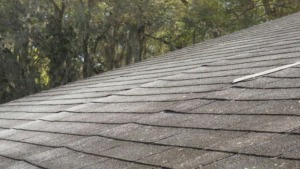
- Widespread shingle curling
- Cracked shingles
- Missing shingles
- Significant granule loss
- Repeated leaks
- Sagging areas
- Damaged flashing
- Extensive storm damage
- Deteriorated roofing materials
- Recurring repair needs
A roof with one isolated problem may only require a repair. A roof with widespread deterioration may be approaching the end of its useful service life.
Repairs Can Sometimes Extend Roof Life
Not every aging roof needs immediate replacement.
If the roofing system remains fundamentally sound, targeted repairs may extend its useful service life.
However, repeated repairs can become less practical when problems are widespread.
Homeowners should consider both the immediate repair cost and the overall condition of the roof.
A professional evaluation can help determine whether repair, restoration, or replacement makes the most sense.
The Importance of Roof Age When Buying a Home
Homebuyers should always consider the age and condition of the roof before purchasing a property.
A roof that appears attractive from the ground may still have significant remaining-life concerns.
Buyers should review:
- Installation date
- Roofing material
- Previous repairs
- Inspection reports
- Warranty information
- Storm damage history
- Remaining expected service life
Understanding the residential roof lifespan Missouri buyers can expect from a particular roof can help with long-term budgeting.
Roof Replacement Should Be Planned in Advance
Waiting until a roof develops a major leak can create unnecessary stress.
Homeowners can benefit from planning ahead when a roof approaches the later stages of its expected service life.
Advance planning allows time to:
- Compare roofing materials
- Obtain professional inspections
- Review contractor options
- Establish a budget
- Schedule work
- Prepare for weather-related delays
- Coordinate other exterior improvements
Planning ahead can make roof replacement more manageable.
Choosing a Roofing Material for Long-Term Performance
Homeowners should consider more than appearance when selecting a new roofing material.
Important factors include:
- Expected service life
- Maintenance requirements
- Cost
- Weather resistance
- Installation requirements
- Manufacturer specifications
- Home design
- Local climate
The best roofing material depends on the individual property and homeowner’s goals.
A roofing professional can explain the advantages and limitations of available options.
Warranty Expectations Should Be Understood
Roofing warranties can provide valuable information, but homeowners should understand that a warranty does not necessarily mean the roof will last for the full warranty period under every condition.
Warranties may cover specific manufacturing defects or workmanship concerns and may include limitations and requirements.
Homeowners should keep copies of their roofing documents and understand applicable maintenance requirements.
A warranty should complement good maintenance rather than replace it.
A Practical Residential Roof Lifespan Planning Guide
Homeowners can use the following approach to monitor their roofing system.
New Roof
Keep installation documents and warranty information. Establish a maintenance and inspection routine.
Mid-Life Roof
Continue regular inspections and address small problems promptly. Monitor areas exposed to weather and moisture.
Aging Roof
Increase attention to warning signs and begin planning financially for eventual replacement.
End-of-Life Roof
Evaluate whether repair, restoration, or replacement is the most practical option.
This approach can help homeowners make decisions based on the actual condition of the roof rather than relying solely on its age.
Understanding the Residential Roof Lifespan Missouri Homeowners Can Expect
The residential roof lifespan Missouri homeowners experience depends on many variables. Asphalt shingles may have a different expected service life than metal, cedar, synthetic, or other roofing materials. Even roofs made from the same material can perform differently because of installation quality, maintenance, weather exposure, ventilation, and storm history.
Missouri’s changing seasons make regular monitoring particularly important.
Homeowners should not wait until a leak appears before paying attention to the roof. Regular inspections can provide information about deterioration and help homeowners plan repairs before problems become more extensive.
FM Roofing Can Help Homeowners Plan for Long-Term Roof Performance
At FM Roofing, we understand that homeowners need more than a simple number when evaluating the residential roof lifespan Missouri properties can experience. Every roof has its own history, materials, exposure, and condition.
A professional roof evaluation can help homeowners understand where their roof stands today and what may be needed in the future. Whether the roof requires a small repair, ongoing maintenance, or eventual replacement, understanding its condition can make long-term homeownership easier to plan.
FM Roofing can help homeowners evaluate roofing concerns and make informed decisions about maintaining and protecting their homes.
Final Thoughts on Residential Roof Lifespan
FM Roofing knows that the question of how long a roof lasts does not have one universal answer. The residential roof lifespan Missouri homeowners can expect depends on roofing material, installation quality, weather exposure, maintenance, ventilation, roof design, and the condition of individual components. A roof that is properly installed and maintained can often provide dependable protection for many years, while severe weather or neglected maintenance can shorten its useful life.
Homeowners should monitor their roofs throughout the year and pay particular attention after strong storms, hail, heavy rain, and other severe weather events. Regular professional inspections can identify problems that may not be visible from the ground and can help homeowners determine when repairs or replacement should be considered.
Understanding the residential roof lifespan Missouri homeowners can expect also makes it easier to plan financially for future roofing work. Instead of waiting for a major leak or emergency, homeowners can use inspection findings and maintenance records to make informed decisions.
Ultimately, the best way to maximize residential roof lifespan Missouri homes can achieve is to combine quality roofing materials, proper installation, regular inspections, preventive maintenance, and prompt repairs. With knowledgeable guidance from FM Roofing, homeowners can take a proactive approach to protecting their roof and maintaining one of the most important parts of their home.