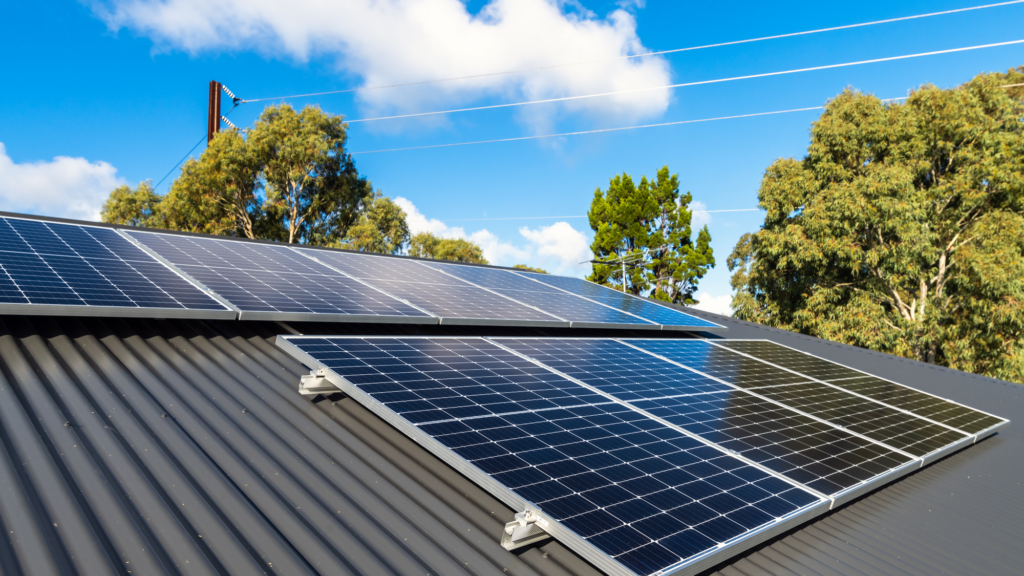
FM Roofing understands that homeowners are increasingly looking for ways to improve energy efficiency while making long-term investments in their properties. Installing solar panels metal roof systems can be an attractive option because metal roofing provides several characteristics that can work well with solar installations. Metal roofs are known for durability, longevity, and resistance to many types of weather exposure, making them an important consideration for homeowners planning to add solar energy to their homes.
Solar panels can provide homeowners with an opportunity to generate electricity from sunlight, while the roof serves as the foundation for the solar mounting system. When the roofing material is metal, the installation process can offer certain advantages depending on the specific type and condition of the roof. Proper planning is still essential because the solar installation must be compatible with the existing roofing system, structural design, mounting method, and local conditions.
For homeowners considering solar panels metal roof installations, understanding how the two systems work together can help with planning. The roof should be evaluated before installation, and the solar mounting system should be selected according to the roofing material. When properly planned and installed, solar panels and metal roofing can form a durable combination that supports a home’s long-term energy and roofing goals.
Understanding Solar Panels on Metal Roofs
A metal roof can provide a stable surface for a solar panel installation when the roof is structurally sound and the appropriate mounting equipment is used.
Metal roofing comes in several forms, including standing seam panels, corrugated metal panels, exposed-fastener systems, and other profiles. Because these roofing systems are constructed differently, the method used to attach solar panels can vary.
A professional evaluation should consider:
- Type of metal roofing
- Roof age
- Roof condition
- Roof slope
- Structural capacity
- Panel placement
- Solar mounting system
- Existing roof penetrations
- Weather exposure
- Electrical requirements
The relationship between the roof and the solar system should be considered before installation begins.
For homeowners researching solar panels metal roof options, one of the most important considerations is selecting a mounting method that works with the specific roofing profile.
Metal Roofing Provides Long-Term Durability
One of the primary advantages of combining solar panels with a metal roof is the potential for long-term durability.
Metal roofing is generally designed to withstand significant exposure to rain, wind, sunlight, and changing temperatures. Solar panels also need to remain in place for many years to provide their intended energy benefits.
When a durable metal roof is paired with a properly installed solar system, the two investments can be planned around similar long-term goals.
This can be especially useful for homeowners who want to avoid replacing their roof shortly after installing solar panels.
A roof replacement can require the removal and reinstallation of solar panels, adding complexity to the project. Evaluating roof longevity before solar installation can help homeowners plan more effectively.
Roof Age Matters Before Solar Installation
The age of a metal roof should be considered before installing solar panels.
Even a durable roof can eventually require maintenance, restoration, or replacement. Installing solar panels on a roof that is already nearing the end of its service life may create complications later.
If a roof needs replacement soon, homeowners may want to address the roofing project before installing solar panels.
The decision should be based on the actual condition of the roof rather than age alone.
A professional roof inspection can help identify:
- Corrosion
- Loose fasteners
- Damaged panels
- Failed sealants
- Deteriorated flashing
- Leaks
- Structural concerns
- Previous repairs
- Drainage problems
This evaluation can help determine whether the existing roof is ready for a solar installation.
Standing Seam Metal Roofs Can Simplify Solar Mounting
Standing seam metal roofs are particularly interesting for solar installations because certain mounting systems can attach to the standing seams.
Instead of making numerous penetrations through the roofing panels, specialized clamps can sometimes secure solar mounting equipment directly to the seams.
The exact installation method depends on the roofing manufacturer, panel profile, mounting equipment, and project requirements.
Reducing roof penetrations can help simplify waterproofing considerations because every penetration represents an area where water management must be carefully addressed.
For homeowners considering solar panels metal roof installations, the existing roof profile should therefore be evaluated before choosing the mounting hardware.
Fewer Roof Penetrations Can Be an Advantage
Roof penetrations are common in many solar installations, but they require careful waterproofing.
When a mounting system can be attached without penetrating the roof surface, the installation may reduce the number of locations where water could potentially enter the roofing assembly.
This can be one of the notable advantages of certain metal roof and solar combinations.
However, homeowners should not assume that every metal roof allows a penetration-free installation.
Different metal roofing systems require different mounting solutions. Some installations may still require penetrations depending on the roof design and structural requirements.
Professional installation is important because the mounting system must provide both secure attachment and appropriate protection for the roof.
Metal Roofs Can Provide a Strong Solar Foundation
Solar panels are exposed to wind and other environmental forces. The mounting system therefore needs a secure connection to the building structure.
The roof itself is only one part of the equation.
A solar installation should account for:
- Roof framing
- Structural loads
- Mounting hardware
- Panel weight
- Wind exposure
- Roof geometry
- Attachment points
A professional assessment can help determine whether the structure is appropriate for the planned solar array.
For solar panels metal roof projects, homeowners should consider both the roofing material and the structural system supporting it.
Solar Panel Weight Should Be Evaluated
Solar panels and mounting equipment add weight to a roof.
While the additional load may be manageable for many homes, the structure should still be evaluated before installation.
The assessment can consider:
- Number of panels
- Panel weight
- Mounting hardware
- Existing roof materials
- Roof framing
- Other rooftop equipment
- Environmental loads
The goal is to ensure that the roof and supporting structure are appropriate for the proposed system.
A qualified professional can coordinate roofing considerations with the solar installer and other specialists involved in the project.
Metal Roofing Can Work Well With Long-Term Solar Planning
A solar installation is generally intended to remain in place for many years. Because metal roofs can have long service lives, homeowners may find it useful to coordinate the expected lifespan of both investments.
If the metal roof has many years of useful service remaining, installing solar may fit naturally into the property’s long-term improvement plan.
If the roof is approaching the end of its service life, however, homeowners should consider whether roof work should be completed before the solar system is installed.
Removing and reinstalling solar panels during a future roof replacement can increase project complexity.
Planning both investments together can help avoid unnecessary work.
Metal Roofing Handles Weather Exposure
Metal roofs are commonly selected because they can provide strong resistance to many environmental conditions.
Solar panels are also exposed to the weather throughout the year.
Rain, wind, temperature changes, sunlight, and severe storms can affect rooftop systems. The roofing system and solar mounting system must therefore be designed to work together.
Proper attachment, flashing, sealants, drainage, and installation practices all contribute to the overall performance of the roof.
For homeowners considering solar panels metal roof systems, weather exposure should be part of the planning process rather than an afterthought.
Solar Panels Can Provide Additional Roof Coverage
Once installed, solar panels cover portions of the roofing surface.
The panels themselves can provide some physical shielding from direct sunlight and precipitation on the areas underneath them. However, homeowners should not consider solar panels a replacement for a properly maintained roofing system.
The metal roof underneath still needs to remain structurally sound and watertight.
Roof inspections should continue after solar installation, including inspections of areas around mounting points and other roof components.
Roof Drainage Must Remain Functional
A solar installation should never interfere with the roof’s drainage system.
Metal roofs are designed to direct water toward appropriate drainage areas. Solar panels and mounting equipment need to be positioned so they do not create unnecessary obstructions.
Homeowners should make sure that:
- Drainage paths remain clear
- Gutters remain accessible
- Downspouts continue functioning
- Water does not become trapped
- Mounting hardware does not obstruct drainage
Water management is an important part of protecting both the roof and the solar investment.
Solar Installation Should Protect the Roofing System
A solar installation should add energy-producing equipment without unnecessarily compromising the roof.
The installation process should account for:
- Roofing seams
- Fasteners
- Flashing
- Sealants
- Roof edges
- Penetrations
- Drainage
- Expansion and contraction
Metal roofing expands and contracts as temperatures change. Mounting systems should be designed with the characteristics of the roofing material in mind.
Improper installation can create stress or damage that affects roof performance.
Thermal Expansion and Metal Roofing
Metal expands and contracts as temperatures change.
This characteristic is important when installing equipment on a metal roof.
Solar mounting systems should accommodate the movement characteristics of the roof rather than restricting the roofing system inappropriately.
The connection between the solar mounting equipment and the roof should be carefully planned.
For solar panels metal roof installations, compatibility between the mounting system and the roofing system is essential for long-term performance.
Solar Panel Placement Affects Roof Performance
Solar panels should be positioned to capture sunlight effectively, but placement also needs to consider the roof itself.
Installers may need to work around:
- Roof vents
- Chimneys
- Skylights
- HVAC equipment
- Plumbing vents
- Roof edges
- Drainage pathways
The available roof area should be evaluated before finalizing the solar array.
Good planning allows homeowners to balance energy production with proper roof maintenance and access.
Roof Orientation Can Influence Solar Production
The direction a roof faces can affect the amount of sunlight available to solar panels.
Homeowners should evaluate roof orientation along with shading, roof pitch, surrounding structures, and local sunlight conditions.
Not every section of a roof will necessarily be equally suitable for solar panels.
Trees, nearby buildings, chimneys, and other obstructions can create shade at different times of the day.
A solar professional can evaluate these conditions when designing the system.
Shading Should Be Considered Before Installation
Trees can provide valuable shade for a home, but they can also reduce the sunlight reaching solar panels.
Homeowners should consider current and future tree growth.
A roof that receives strong sunlight today could receive more shade several years later if nearby trees grow substantially.
Landscape planning should therefore be included in long-term solar planning.
For solar panels metal roof installations, considering future shading can help homeowners avoid designing an array around conditions that may change.
Metal Roofing and Solar Maintenance
Solar panels do not eliminate the need for roof maintenance.
Homeowners should continue monitoring the roof for signs of:
- Rust
- Corrosion
- Loose fasteners
- Damaged panels
- Sealant deterioration
- Flashing problems
- Leaks
- Drainage issues
Solar panels can make certain areas of the roof more difficult to access, so maintenance should be planned carefully.
Professional inspections can help identify problems that may not be visible from the ground.
Solar Panels Should Be Kept Clean
Dust, pollen, leaves, and other debris can accumulate on solar panels.
The amount of buildup depends on the surrounding environment, weather, roof design, and nearby vegetation.
Cleaning requirements vary by location and system design.
Homeowners should follow the solar manufacturer’s recommendations and use appropriate cleaning methods.
Keeping panels reasonably clear of debris can help maintain their ability to receive sunlight.
Severe Weather Requires Post-Storm Inspection
Missouri homeowners can experience severe weather, including strong winds and hail.
After significant storms, homeowners should monitor both the solar system and the roof.
Visible damage may include:
- Bent metal panels
- Loose components
- Damaged flashing
- Missing or displaced solar equipment
- Broken solar panels
- Water intrusion
Homeowners should avoid climbing onto the roof to inspect damage themselves if conditions are unsafe.
A professional evaluation can help determine whether repairs are necessary.
Hail Protection Is an Important Consideration
Hail can affect both roofing systems and solar panels.
When planning solar panels metal roof installations, homeowners should consider the property’s exposure to severe weather and review the specifications and warranties of the solar equipment.
A properly installed system should be designed with appropriate attachment and weather considerations.
After a significant hailstorm, a professional inspection can help identify damage that may not be obvious from ground level.
Solar Installation and Roof Warranties
Homeowners should review their roofing warranty before installing solar panels.
The warranty may include specific requirements concerning roof modifications, penetrations, contractors, or mounting systems.
The solar installer and roofing contractor should coordinate when necessary.
Homeowners should retain:
- Roofing warranty documents
- Solar equipment warranties
- Installation records
- Inspection reports
- Product information
- Repair records
Maintaining these documents can simplify future maintenance and warranty questions.
Metal Roofing and Solar Can Support Energy Goals
One of the main reasons homeowners install solar panels is to generate electricity from sunlight.
The amount of electricity a solar system produces depends on factors such as:
- Solar panel efficiency
- Roof orientation
- Shading
- Weather
- System size
- Panel placement
- Equipment performance
- Local sunlight conditions
The metal roofing material itself does not automatically determine solar production.
Instead, the roof provides the platform for the solar system, while the design and environmental conditions influence energy generation.
Combining Roof Replacement and Solar Planning
For homeowners whose metal roofs are aging, combining roofing and solar planning can be beneficial from a project-management perspective.
A homeowner may decide to address roofing needs before installing solar equipment.
This approach can reduce the possibility of having to remove recently installed panels for roofing work.
The correct timing depends on the roof’s actual condition, expected service life, solar project timeline, and homeowner priorities.
A professional roof inspection can provide useful information before making this decision.
Professional Installation Protects Both Investments
Installing solar panels on a metal roof requires coordination between roofing and solar considerations.
An experienced installation team should understand the requirements of the roofing material and the solar mounting system.
Important installation considerations include:
- Secure attachment
- Waterproofing
- Structural capacity
- Roof movement
- Flashing
- Drainage
- Equipment placement
- Maintenance access
The objective is to install the solar system without compromising the roofing system.
A Practical Solar and Metal Roof Checklist
Homeowners considering solar panels metal roof projects can use the following checklist during the planning process:
Roof Condition
Check:
- Roof age
- Rust or corrosion
- Leaks
- Loose fasteners
- Damaged panels
- Flashing
- Sealants
- Drainage
Structural Considerations
Evaluate:
- Roof framing
- Solar panel weight
- Mounting system
- Wind exposure
- Existing rooftop equipment
Solar Planning
Consider:
- Roof orientation
- Roof pitch
- Shading
- Available roof space
- Panel placement
- Future landscaping changes
Installation Planning
Confirm:
- Mounting method
- Penetration requirements
- Waterproofing approach
- Manufacturer requirements
- Warranty requirements
- Maintenance access
Long-Term Planning
Keep records of:
- Roof inspections
- Solar installation
- Warranties
- Maintenance
- Repairs
- Storm inspections
This checklist can help homeowners organize the major considerations before moving forward.
Why Professional Roof Evaluation Matters
A roof may look perfectly fine from the ground while having problems that are not immediately visible.
Professional inspections can identify developing concerns around seams, fasteners, flashing, drainage, and other components.
For solar panels metal roof projects, evaluating the roof before installation can help determine whether the existing roofing system is ready to support a long-term solar investment.
If repairs or replacement are necessary, addressing those issues before solar installation can simplify future maintenance.
Planning for the Future of Your Solar System
Homeowners should think beyond the installation date.
Solar panels and roofing systems require long-term care.
Future considerations can include:
- Roof inspections
- Solar system inspections
- Cleaning
- Storm damage
- Tree growth
- Roof repairs
- Equipment upgrades
- Roof replacement
- Warranty requirements
Planning ahead can help homeowners avoid unnecessary complications.
A durable metal roof combined with a properly designed solar system can become an important part of a property’s long-term improvement strategy.
FM Roofing Can Help With Your Roofing-Solar Planning
At FM Roofing, we understand that adding solar panels is not simply an electrical project. The condition, structure, age, and design of the roof all play important roles in determining how the solar system should be installed.
Our goal is to help homeowners understand the roofing side of their solar project. Evaluating the existing roof before installation can help identify potential concerns and provide a clearer picture of what may be needed before solar panels are installed.
Whether a homeowner has a standing seam metal roof, another type of metal roofing system, or is considering a new roof before going solar, professional roofing guidance can help support better project planning.
Final Thoughts on Solar Panels on Metal Roofs
FM Roofing recognizes that combining solar panels with a metal roof can provide homeowners with an opportunity to coordinate two significant home investments. Metal roofing can offer durability and long-term performance, while solar panels can provide on-site electricity generation. The success of the combination depends on proper planning, compatible mounting equipment, structural evaluation, appropriate installation, and continued maintenance.
For homeowners considering solar panels metal roof installations, the condition and remaining service life of the roof should be evaluated before the solar project begins. Roof age, structural capacity, drainage, roof movement, weather exposure, shading, and warranty requirements should all be considered.
A well-planned solar panels metal roof system should protect the roofing assembly while providing a secure foundation for the solar array. Coordinating roofing and solar professionals can help homeowners address potential concerns before installation and maintain both systems over time.
With careful planning, regular inspections, and appropriate maintenance, solar panels metal roof installations can become part of a long-term home improvement strategy. Working with FM Roofing can help homeowners better understand the condition of their roofing system and prepare for the roofing considerations involved in adding solar panels.