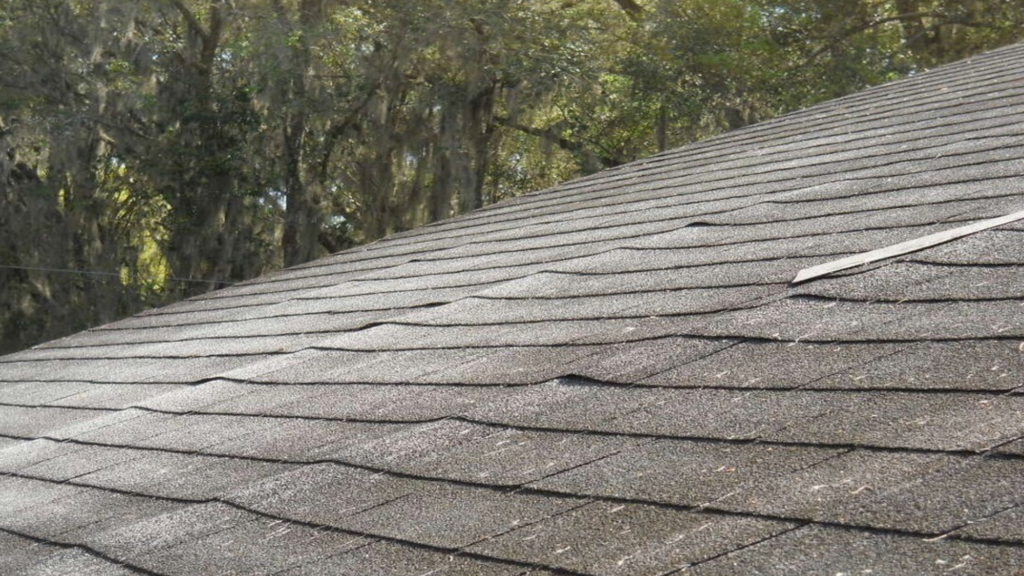
A sagging roof is a problem no homeowner should ignore. When a roof develops a visible dip, bow, or uneven section, it may be a sign of damage affecting the roofing materials, decking, framing, drainage system, or other components of the roof structure.
Understanding when you may need sagging roof repair can help you protect your home from worsening damage, water intrusion, and potentially more expensive repairs. Because roof sagging can have several different causes, identifying the source of the problem is one of the most important steps in determining the right solution.
What Does a Sagging Roof Mean?
A sagging roof is a roof surface that has developed a visible dip, depression, bow, or uneven area where the roof would normally remain straight and properly supported.
Sagging can appear in several locations, including:
- Between roof rafters
- Along a roof slope
- Near the ridge line
- Around valleys
- Near roof penetrations
- Across sections of roof decking
- Along the roofline
The visible sag is only a symptom. The actual cause may be hidden beneath the roofing materials.
That is why sagging roof repair should begin with an inspection rather than simply covering the affected area with new shingles or other roofing materials.
Common Causes of Roof Sagging
There is no single cause of a sagging roof. Several conditions can contribute to the problem, and more than one issue may sometimes be present.
Understanding these potential causes can help homeowners recognize why professional sagging roof repair may be necessary.
1. Structural Problems
Roof framing includes rafters, trusses, beams, and other components that support the roofing system and transfer its weight to the home’s walls and foundation.
If a structural component becomes damaged, weakened, improperly supported, or overloaded, the roof can begin to change shape.
Potential structural problems include:
- Damaged rafters
- Weakened trusses
- Deteriorated supports
- Improper framing
- Structural movement
- Inadequate reinforcement
- Previous construction modifications
Structural issues can be more complicated than ordinary roofing damage. In these situations, sagging roof repair may require attention to the framing or other structural components rather than only the exterior roofing materials.
2. Water Damage
Moisture is one of the most common contributors to roof deterioration.
A roof leak that continues over time can allow water to reach the decking, insulation, rafters, and other components. Prolonged moisture exposure can weaken wood materials and eventually contribute to roof sagging.
Signs of possible moisture damage include:
- Water stains
- Soft roof decking
- Rotting wood
- Mold or mildew
- Damp insulation
- Ceiling stains
- Musty odors
If these symptoms appear along with roof sagging, homeowners should arrange an inspection promptly. Addressing moisture early can make sagging roof repair more manageable and may help prevent additional deterioration.
3. Damaged Roof Decking
Roof decking sits above the structural framing and beneath the roofing materials. Depending on the home’s construction, it may be made from plywood, oriented strand board, or another approved material.
When decking becomes weakened by moisture, age, or other damage, it may no longer provide adequate support.
A damaged section can create:
- A visible depression
- A soft area
- An uneven roof surface
- Localized sagging
Replacing the shingles without repairing damaged decking may only hide the problem temporarily. Proper sagging roof repair should address the condition of the decking when necessary.
4. Excessive Roof Weight
Roofs are designed to support their intended roofing materials and anticipated environmental loads. However, excessive weight can place additional stress on the roof structure.
Potential sources of additional weight include:
- Multiple layers of roofing materials
- Accumulated snow or ice
- Standing water
- Heavy roofing materials
- Improperly installed equipment
- Unplanned structural additions
Missouri homeowners may experience snow and ice during the winter, which can temporarily increase the load on a roof. A healthy roof should be designed to handle expected conditions, but a weakened roof may respond differently.
If excessive weight contributes to roof movement or deformation, sagging roof repair may require addressing the source of the added load as well as any resulting damage.
Poor Drainage Can Contribute to Roof Sagging
Water needs to drain properly from the roof. When gutters, downspouts, valleys, or other drainage components become obstructed, water may collect in low areas.
Persistent water accumulation can add weight to the roofing system and contribute to deterioration.
Drainage problems can involve:
- Blocked gutters
- Clogged downspouts
- Improper roof slope
- Damaged drainage components
- Blocked valleys
- Poorly designed drainage
When investigating the need for sagging roof repair, professionals should evaluate whether water accumulation is contributing to the problem.
Correcting drainage issues can be an important part of protecting the roof after repairs are completed.
Previous Roofing Repairs Can Affect Roof Condition
Roofs often undergo repairs during their service life. However, an improperly completed repair may leave the underlying problem unresolved.
For example, replacing damaged shingles over deteriorated decking may improve the appearance of the roof while leaving structural or moisture-related damage underneath.
Similarly, covering a damaged area without stopping an active leak can allow deterioration to continue.
When determining the right approach to sagging roof repair, a professional should consider the roof’s repair history as well as its current condition.
Can an Old Roof Start to Sag?
Age can contribute to roof deterioration, but an old roof is not automatically going to sag.
Over time, roofing materials can experience repeated exposure to:
- Rain
- Wind
- Hail
- Temperature changes
- Snow and ice
- Moisture
- Sunlight
Previous repairs and long-term moisture exposure can also contribute to cumulative wear.
At the same time, a relatively new roof can develop problems if it has installation defects, water intrusion, structural issues, or other damage.
For this reason, sagging roof repair should be based on the condition and cause of the problem rather than the age of the roof alone.
How Missouri Weather Can Affect Your Roof
Missouri homeowners experience a wide range of weather throughout the year. Heavy rain, strong thunderstorms, high winds, hail, snow, ice, freeze-thaw cycles, and hot summer temperatures can all affect roofing systems.
Severe weather can damage:
- Shingles
- Flashing
- Gutters
- Roof decking
- Roof penetrations
- Other roofing components
Repeated moisture exposure can also contribute to deterioration when damage is not repaired promptly.
Because Missouri weather can be unpredictable, regular inspections can help homeowners identify problems before they become more extensive. This is particularly important for homeowners who may eventually need sagging roof repair following storm or moisture damage.
Hail Damage Should Not Be Ignored
Hail can damage roofing materials even when there is no immediately visible leak.
Shingles may experience bruising, cracking, or granule loss. Metal components can become dented, and flashing can also be damaged.
If storm damage allows moisture to enter the roofing system, deterioration may eventually affect the decking or framing.
After a significant hailstorm, homeowners should consider having their roof professionally inspected, especially if they notice new irregularities. Early attention may help identify conditions that could eventually require sagging roof repair.
Wind Damage Can Lead to Roof Problems
Strong winds can lift or remove shingles and damage flashing.
A roof does not necessarily need to have large sections of missing shingles before water can enter. Small openings can allow moisture beneath the roofing surface.
If moisture remains trapped within the roof assembly, deterioration can develop over time.
Promptly addressing wind damage can help reduce the possibility that a smaller roofing problem develops into a condition requiring extensive sagging roof repair.
Warning Signs of a Sagging Roof
Homeowners should pay attention to changes in the appearance and performance of their roofing system.
Warning signs can include:
- A visible dip in the roof
- An uneven ridge line
- Sagging between rafters
- Ceiling stains
- Cracked ceilings
- Difficult-to-operate doors or windows
- Water leaks
- Damaged shingles
- Rotting wood
- Persistent attic moisture
- Unusual roof movement
Not every warning sign means that the roof is experiencing structural failure. However, multiple symptoms should not be ignored.
If you notice visible sagging, contacting a professional for sagging roof repair evaluation can help determine the severity and possible cause.
Sagging Inside the Attic Can Reveal Hidden Damage
The exterior roof surface is not the only place where problems may be visible.
An attic inspection may reveal:
- Bowed decking
- Damaged rafters
- Moisture stains
- Rot
- Cracked framing
- Wet insulation
- Mold
- Improper structural modifications
Homeowners should use caution when entering an attic if structural damage is suspected. A professional inspection can provide a safer and more comprehensive evaluation.
An attic inspection can also help identify conditions that may influence the scope of sagging roof repair.
Ceiling Damage May Be Connected to Roof Problems
A sagging roof can sometimes be accompanied by interior damage.
Water entering through the roofing system can eventually reach ceilings and walls. Homeowners may notice:
- Brown or yellow stains
- Bubbling paint
- Peeling drywall
- Sagging ceiling materials
- Damp insulation
- Mold growth
Interior damage does not always reveal the exact source of a leak because water can travel through different parts of the roof assembly before becoming visible inside the home.
A professional roofing inspection can help determine whether the interior symptoms are connected to a roofing problem and whether sagging roof repair should be considered.
Why You Should Not Ignore a Sagging Roof
Some roofing problems can become more serious over time.
For example, a small area of moisture-damaged decking can continue to deteriorate if the source of the leak remains active. A weakened structural component may also experience additional stress when exposed to heavy weather or other loads.
The longer an underlying problem remains unresolved, the greater the potential for additional damage.
Prompt evaluation does not necessarily mean the entire roof needs to be replaced. Instead, it allows homeowners to understand the problem and determine whether they need localized sagging roof repair, structural work, or a more comprehensive roofing solution.
Professional Inspection Should Come Before Repair
The first step in sagging roof repair should generally be identifying the cause of the sagging.
A professional inspection may evaluate:
- Roofing materials
- Roof decking
- Rafters
- Trusses
- Flashing
- Valleys
- Roof penetrations
- Attic conditions
- Drainage
- Signs of moisture
- Previous repairs
- Structural concerns
Once the inspection is complete, the findings can help determine whether the roof needs a localized repair, structural correction, improved drainage, or replacement.
Does a Sagging Roof Always Need Replacement?
No. A sagging area does not automatically mean the entire roof needs replacement.
If the problem is localized and the rest of the roofing system remains in good condition, targeted sagging roof repair may be possible.
Depending on the cause, repairs could include:
- Replacing damaged decking
- Correcting a roof leak
- Reinforcing affected framing
- Improving drainage
- Replacing damaged roofing materials
- Addressing another underlying issue
The goal should be to correct the cause rather than simply make the visible sag disappear.
When More Extensive Repairs May Be Necessary
Widespread sagging may indicate more extensive problems with the roofing system.
Potential concerns can include:
- Significant decking deterioration
- Multiple damaged structural components
- Long-term water intrusion
- Widespread roofing deterioration
- Improper structural modifications
- Severe storm damage
In these situations, the scope of sagging roof repair may be larger than a simple localized repair.
A professional inspection can help homeowners understand the extent of the damage before making decisions about the next step.
When Roof Replacement May Be the Better Solution
Roof replacement may be appropriate when a roofing system has reached the end of its service life or has extensive deterioration.
A roof with significant structural problems and widespread roofing material deterioration may not be a good candidate for isolated repairs.
When evaluating replacement, homeowners should consider:
- Roof structure
- Decking condition
- Roofing materials
- Roof design
- Ventilation
- Insulation
- Drainage
- Local weather conditions
A professional should clearly explain the existing problems and recommended solutions before work begins.
The Roof Deck Should Be Evaluated
The roof deck is an important part of the roofing system.
When sagging is present, the decking should be inspected for signs of:
- Rot
- Moisture damage
- Soft spots
- Delamination
- Cracking
- Structural weakness
Damaged decking may need to be replaced before new roofing materials are installed.
Simply covering damaged decking does not solve the underlying problem and may lead to additional issues later. Proper sagging roof repair should address damaged decking when it is contributing to the roof’s condition.
Structural Framing May Need Specialized Attention
If an inspection identifies damaged rafters, trusses, or other structural components, the repair may involve more than conventional roofing work.
Structural repairs should be evaluated according to the home’s construction and the specific nature of the damage.
In some situations, coordination with a qualified structural professional may be appropriate.
Homeowners should not attempt to reinforce, alter, or modify major structural components themselves.
Attic Ventilation and Moisture Control
Proper attic ventilation cannot correct an existing structural problem, but it can contribute to healthier roofing conditions.
Adequate ventilation helps manage heat and moisture in the attic. Poor ventilation can contribute to condensation and elevated moisture levels, which may affect wood components over time.
When evaluating sagging roof repair, the attic environment should be considered as part of the overall roofing system.
Maintenance Can Help Prevent Future Problems
After completing sagging roof repair, homeowners should continue maintaining the roofing system.
Preventive maintenance can include:
- Scheduling regular inspections
- Cleaning gutters
- Checking flashing
- Monitoring roof penetrations
- Removing problematic debris
- Addressing damaged shingles
- Inspecting attic conditions
- Monitoring drainage
- Watching for signs of moisture
Maintenance cannot prevent every roofing problem, but it can help homeowners identify developing concerns earlier.
Keep Trees Properly Maintained
Trees near a home can affect roof conditions.
Branches may rub against roofing materials or fall during storms. Leaves and organic debris can also collect on the roof and inside gutters.
Homeowners should monitor trees around their homes and address branches that create unnecessary risks.
Proper tree maintenance can be another part of protecting the roof and reducing conditions that could eventually contribute to the need for sagging roof repair.
Address Roof Leaks Promptly
A roof leak should never be treated as a minor inconvenience.
Even a small leak can allow moisture to enter areas that are not immediately visible. Over time, that moisture can contribute to damaged decking, weakened wood, mold, and other problems.
Contact a roofing professional if you notice:
- Water stains
- Dripping
- Damp attic insulation
- Musty odors
- Peeling ceiling paint
- Wet drywall
Prompt attention can reduce the risk of prolonged moisture exposure and may help prevent more extensive sagging roof repair.
Avoid Walking on a Sagging Roof
A visibly sagging roof can present a safety concern.
Homeowners should avoid climbing onto a roof when significant structural problems are suspected. Walking on an unstable roof can increase the risk of injury and may potentially make the damage worse.
Instead, contact a qualified roofing professional to evaluate the condition.
Professional evaluation is particularly important when determining whether sagging roof repair involves structural damage.
Document Storm Damage for Insurance
If roof sagging is associated with storm damage, homeowners may need to document the condition.
Useful documentation can include:
- Photographs
- Inspection reports
- Repair estimates
- Records of previous repairs
- Information about the storm
Insurance coverage varies by policy and situation, so homeowners should review their individual policy and communicate with their insurance provider when appropriate.
How Much Does Sagging Roof Repair Cost?
The cost of sagging roof repair can vary substantially depending on the cause and extent of the damage.
A minor localized issue may require a relatively straightforward repair, while extensive structural deterioration can require significantly more involved work.
Factors that can affect the cost include:
- Size of the affected area
- Roof accessibility
- Roofing material
- Decking condition
- Structural damage
- Water damage
- Labor requirements
- Replacement materials
- Extent of roof replacement
Homeowners should avoid choosing a repair based solely on the lowest price. The priority should be identifying and correcting the underlying cause of the problem.
Sagging Roof Repair Inspection Checklist
Homeowners can use the following checklist to monitor their roofing system.
Exterior Warning Signs
Look for:
- Visible dips
- Uneven rooflines
- Missing shingles
- Damaged flashing
- Roof discoloration
- Water accumulation
Interior Warning Signs
Check for:
- Ceiling stains
- Cracks
- Damp insulation
- Musty odors
- Visible attic moisture
- Bowed decking
Maintenance History
Review:
- Previous leaks
- Past repairs
- Storm damage
- Roof age
- Roofing material
- Previous inspections
When to Schedule an Inspection
Arrange a professional inspection when:
- Sagging is visible
- Leaks are present
- Structural concerns are suspected
- Severe weather has caused damage
- The roof shows significant deterioration
These steps can help homeowners respond to potential roofing problems before they become more extensive.
When Should You Seek Immediate Help?
Some roofing conditions deserve particularly prompt attention.
Homeowners should seek professional help quickly when they notice:
- Rapidly worsening sagging
- Major roof deformation
- Significant water intrusion
- Large sections of damaged roofing
- Cracks in structural components
- Concerns about ceiling collapse
- Severe storm damage
If there is an immediate danger of structural failure, occupants should stay away from the affected area and seek appropriate professional assistance.
Plan Ahead for Long-Term Roof Health
Roofing should be viewed as a long-term investment in your home.
Keeping records of roof installation, inspections, repairs, and storm damage can help create a useful maintenance history.
Regular professional inspections can also help homeowners identify developing concerns and plan for repairs or replacement instead of waiting until a serious problem occurs.
Taking a proactive approach can make future sagging roof repair easier to manage and may help reduce unexpected roofing expenses.
FM Roofing Can Help With Sagging Roof Concerns
At FM Roofing, we understand how concerning it can be when a homeowner notices an uneven or sagging roof. The first step is determining what is causing the problem.
A sagging roof may be associated with:
- Moisture damage
- Weakened decking
- Structural concerns
- Excessive weight
- Drainage problems
- Storm damage
- Roofing deterioration
- Previous repair issues
Our approach focuses on evaluating the roofing system and identifying the underlying cause rather than simply addressing the visible symptom.
Whether you need localized sagging roof repair or more comprehensive roofing work, a professional evaluation can help you understand the condition of your roof and determine the appropriate next steps.
Final Thoughts on Sagging Roof Repair
A sagging roof is something homeowners should take seriously. While a visible dip or uneven section may initially appear to be a surface-level roofing problem, the underlying cause can involve decking, framing, moisture, drainage, excessive weight, storm damage, or other concerns.
The best approach to sagging roof repair is to identify and correct the cause rather than simply improving the appearance of the roof.
In some cases, targeted repairs may be enough. Other situations may require damaged decking replacement, structural repairs, drainage improvements, or complete roof replacement.
Missouri’s changing weather conditions can also affect the performance and longevity of a roofing system. Heavy rain, strong winds, hail, snow, ice, and temperature changes can all contribute to roofing damage over time.
If you notice a visible dip, water damage, ceiling stains, or other signs of a potential roofing problem, do not wait for the condition to become worse.
Contact FM Roofing to learn more about your roofing options and schedule an evaluation.