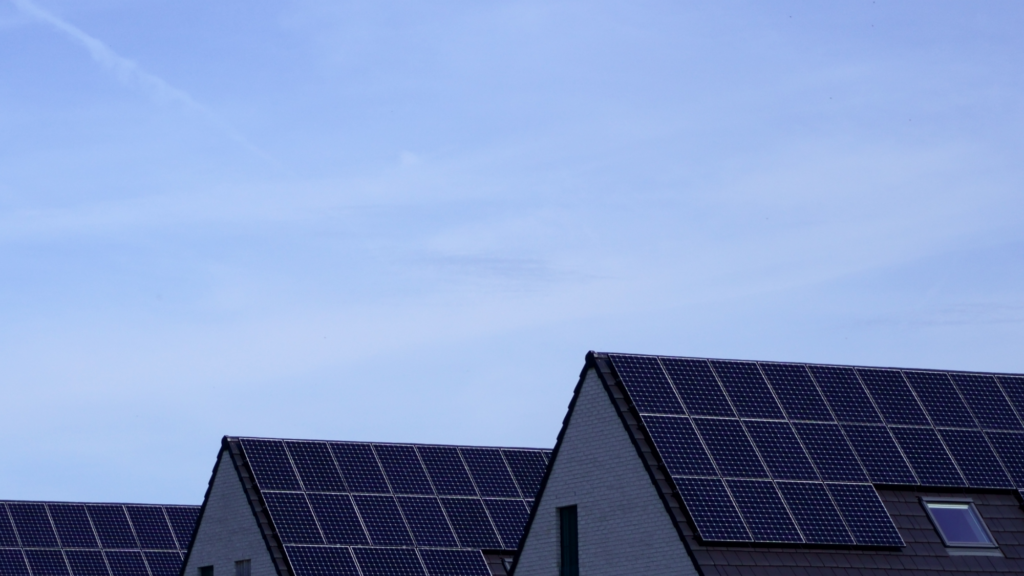
As homeowners look for ways to reduce energy costs and make their homes more energy efficient, solar power has become an increasingly popular option. However, choosing solar energy is only the beginning. Homeowners must also decide how they want to access that solar power. Two of the most common options are community solar and rooftop solar.
Understanding community vs rooftop solar can help homeowners determine which approach better fits their property, budget, energy goals, and long-term plans. Rooftop solar places photovoltaic panels directly on a home’s roof, while community solar allows homeowners to benefit from electricity generated by a shared solar project located elsewhere.
Both approaches can provide access to renewable energy, but they involve very different considerations. Rooftop solar requires a suitable roof and an investment in a solar panel system. Community solar generally does not require panels to be installed on the homeowner’s property, making it an attractive alternative for households with roof limitations.
Understanding Community Solar and Rooftop Solar
The basic difference in community vs rooftop solar is where the solar panels are located.
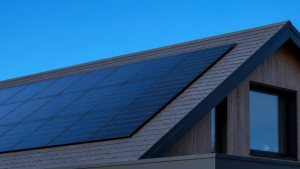
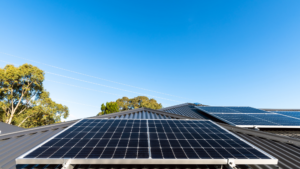
Rooftop solar uses panels installed directly on a homeowner’s property. The panels capture sunlight and convert it into electricity that can be used by the household. Depending on the utility arrangement and system design, excess electricity may be credited or handled according to the applicable program.
Community solar works differently. Instead of installing panels on the home, a homeowner subscribes to or participates in a larger solar project. The electricity generated by that shared project is allocated among participating customers according to the program’s structure.
This means homeowners can support and benefit from solar energy without necessarily placing panels on their own roof.
Both options can help homeowners participate in renewable energy, but the ownership, installation, maintenance, and property considerations can be very different.
Rooftop Solar Provides On-Site Energy Generation
One of the biggest advantages of rooftop solar is that the energy-generating equipment is located directly on the homeowner’s property.
Solar panels are installed on the roof or, in some cases, on another suitable structure or ground-mounted system. The panels work with electrical equipment to convert sunlight into usable electricity for the home.
For homeowners interested in community vs rooftop solar, rooftop solar can be appealing because it provides a visible, on-site energy system. Homeowners can make a long-term investment in their property while potentially reducing their dependence on electricity purchased from the utility.
However, rooftop solar requires a suitable location for the panels. Roof orientation, available space, shading, roof pitch, roofing material, structural condition, and remaining roof life can all influence whether a rooftop system is appropriate.
Community Solar Does Not Require Panels on Your Roof
Community solar provides a different approach to accessing solar energy.
Instead of placing panels on their own home, participating homeowners receive benefits associated with a larger solar installation. This arrangement can be especially attractive for households that cannot install rooftop solar because of roof condition, shading, limited space, architectural restrictions, or other property limitations.
For homeowners comparing community vs rooftop solar, the lack of rooftop equipment can be one of the most significant differences.
Community solar can also be useful for homeowners who prefer not to make physical changes to their roof. Since there are no panels mounted on the home, homeowners do not have to coordinate rooftop installation, mounting equipment, roof penetrations, or solar-related roof maintenance.
However, community solar programs have their own terms and eligibility requirements. Homeowners should carefully review subscription agreements, pricing structures, contract lengths, cancellation policies, and how savings are calculated before enrolling.
Roof Condition Is a Major Consideration for Rooftop Solar
A homeowner considering rooftop solar should evaluate the roof before installing panels.
This is one of the most important distinctions in community vs rooftop solar. Community solar does not depend on the physical condition of the homeowner’s roof, while rooftop solar does.
If a roof is nearing the end of its useful life, installing solar panels immediately may create complications. Roof replacement could eventually require the panels to be removed and reinstalled, adding costs and project coordination.
A professional roofing inspection can help determine whether the existing roof is suitable for a solar installation.
FM Roofing can evaluate important roofing components such as shingles or other roofing materials, flashing, decking, ventilation, drainage, and visible signs of deterioration. Identifying roofing problems before solar installation can help homeowners avoid combining two major projects unexpectedly.
Roof Age Should Be Considered Before Solar Installation
The age of the roof is another important factor.
A relatively new roof with substantial remaining service life may be a good candidate for rooftop solar. A roof that is already approaching replacement age may require more careful planning.
Homeowners comparing community vs rooftop solar should think beyond the initial solar installation. Solar panels are designed to remain in service for many years, so the roof underneath them should ideally have enough remaining life to support the long-term investment.
If the roof needs replacement soon, completing the roof replacement before installing solar panels may make more sense.
This approach can reduce the likelihood of removing and reinstalling solar panels during a future roof replacement.
Roof Structure and Solar Panel Weight Matter
Solar panels and their mounting equipment add weight to a roof.
Although solar systems are generally designed to distribute loads appropriately, the roof structure still needs to be evaluated before installation. Rafters, trusses, roof decking, connections, and other structural components all contribute to the roof’s ability to support loads.
This is another area where community vs rooftop solar creates a clear distinction. Community solar does not place solar equipment on the homeowner’s roof, while rooftop solar requires the home and roof structure to accommodate the system.
A qualified roofing or structural professional can help identify whether additional evaluation is necessary before installation.
Homeowners should never assume that because a roof is currently supporting its roofing materials, it will automatically be suitable for every type of solar installation.
Roof Penetrations Require Careful Installation
Many rooftop solar systems use mounting equipment that attaches to the roof structure. Depending on the system and roofing configuration, installation may involve roof penetrations.
These areas must be properly flashed and sealed.
Poorly installed mounting points can create opportunities for water intrusion. A solar installation should therefore be completed by qualified professionals who understand both the solar equipment and the roofing system.
Homeowners evaluating community vs rooftop solar should consider this difference carefully. Community solar eliminates the need for solar-related roof penetrations because the panels are installed somewhere other than the homeowner’s property.
For rooftop solar, coordination between the roofing and solar professionals is essential.
Roofing Material Can Influence Solar Planning
Different roofing materials have different installation requirements.
Asphalt shingles are common on residential properties and can often accommodate properly designed solar systems. Metal roofing can also be compatible with certain mounting methods. Tile, slate, and specialty roofing systems may require additional care because of their weight, fragility, or installation characteristics.
Before selecting rooftop solar, homeowners should consider how the panels and mounting equipment will interact with their existing roofing system.
In a community vs rooftop solar comparison, roofing material is primarily a concern for the rooftop option.
Community solar allows homeowners to participate without modifying their existing roofing material.
Homeowners With Shaded Roofs May Prefer Community Solar
Solar panels require access to sunlight to generate electricity effectively.
Trees, neighboring buildings, chimneys, roof structures, and other obstacles can create shade. A heavily shaded roof may not provide the ideal conditions for a rooftop solar installation.
Homeowners should evaluate the amount and timing of shade across the proposed solar installation area.
This can be particularly important when comparing community vs rooftop solar. A homeowner with a heavily shaded property may find community solar more attractive because the shared solar project can be located in a more suitable area.
However, every property and solar program is different, so homeowners should evaluate actual energy production and program terms rather than making a decision based solely on general assumptions.
Available Roof Space Can Affect Rooftop Solar
Solar panels require physical space.
A homeowner may have a large roof, but not all roof areas are necessarily suitable for solar panels. Roof sections may be divided by ridges, valleys, vents, chimneys, skylights, and other features.
The usable area may therefore be smaller than the total roof footprint.
When evaluating community vs rooftop solar, homeowners with limited usable roof space may want to compare the potential output of a rooftop system with the benefits available through a community solar program.
A solar professional can assess the property and estimate how much solar equipment can realistically be installed.
Community Solar Can Reduce Roof-Related Concerns
One of the simplest advantages of community solar is that it separates solar participation from the condition of the homeowner’s roof.
A homeowner can have an older roof, limited roof space, shading, or a roof configuration that makes solar installation difficult and still potentially participate in a community solar program if eligible.
This makes community solar particularly interesting for homeowners who want access to renewable energy without undertaking a rooftop construction project.
The community vs rooftop solar decision therefore involves more than energy production. It also involves the physical characteristics of the property.
Ownership and Financing Are Important Differences
Rooftop solar can involve purchasing or financing a solar system, depending on the homeowner’s preferred arrangement.
When homeowners purchase a system, they are making a significant investment in equipment installed on their property. Financing arrangements can spread payments over time.
Community solar generally uses a participation or subscription model, although program structures vary.
Homeowners should carefully review the financial terms of either option. The right choice depends on the homeowner’s budget, expected length of occupancy, energy usage, financing preferences, and local program availability.
When comparing community vs rooftop solar, homeowners should look beyond advertised savings and examine the complete financial arrangement.
Maintenance Responsibilities Can Differ
Rooftop solar places equipment on the homeowner’s property.
The system may require monitoring, inspections, cleaning, electrical maintenance, or other service over its operating life. The exact responsibilities depend on the system, installer, warranty, and ownership arrangement.
Roof maintenance also remains important. Even when solar panels cover only part of a roof, the entire roofing system must continue to perform properly.
Community solar generally removes the solar equipment from the homeowner’s property. Maintenance of the shared solar project is typically handled through the project operator according to the program’s agreement.
This distinction can be significant when evaluating community vs rooftop solar, especially for homeowners who prefer a simpler property maintenance arrangement.
Rooftop Solar Can Be Part of a Larger Home Improvement Plan
Rooftop solar can work well as part of a broader home energy strategy.
Homeowners may combine solar with improvements such as attic insulation, energy-efficient windows, HVAC upgrades, improved air sealing, or other efficiency measures.
Before making these investments, however, homeowners should evaluate the overall condition of the property.
For example, installing solar on a roof that needs replacement soon may create unnecessary complications.
FM Roofing encourages homeowners to consider roofing needs as part of their broader solar planning process. A sound roof provides a better foundation for long-term improvements.
Community Solar Can Be Attractive for Homeowners Who May Move
Property ownership plans can also influence the community vs rooftop solar decision.
A homeowner expecting to remain in the same property for many years may be more comfortable making a long-term rooftop solar investment.
Someone who may move sooner may prefer an arrangement that does not require installing and selling a solar system with the home.
However, community solar agreements can also have contract terms that homeowners must understand. Some programs may allow cancellation, transfer, or other options, while others may have specific conditions.
Homeowners should review the agreement carefully rather than assuming that community solar automatically provides more flexibility.
Home Value Considerations Require a Complete Evaluation
Rooftop solar becomes part of the property itself.
For homeowners considering community vs rooftop solar, the relationship between the solar system and the home can be an important consideration when thinking about future resale.
A well-maintained roof and professionally installed solar system can contribute to an attractive property improvement package. At the same time, buyers may want information about system ownership, warranties, financing, and maintenance.
Community solar does not physically become part of the home in the same way.
Instead, the homeowner’s participation is connected to the community solar program.
The effect of either option on a home’s marketability can depend on local conditions, buyer preferences, program terms, and the quality of the installation.
Solar Should Be Planned Around the Roof’s Remaining Life
One of the most important lessons for homeowners is that solar planning should not ignore the roof.
A roof replacement and a solar installation can represent significant investments. Coordinating the timing of these projects can help homeowners avoid unnecessary costs.
If a roof is in excellent condition, rooftop solar may be easier to plan.
If a roof is near the end of its service life, completing the necessary roofing work first may be more practical.
This makes a professional roof inspection valuable when homeowners are researching community vs rooftop solar.
A roofing professional can help identify current conditions that may influence the decision.
Weather Exposure Matters for Rooftop Solar
Rooftops are exposed to sun, wind, rain, temperature changes, and other environmental conditions.
The roofing system and solar mounting equipment must be installed with the local environment in mind.
Proper flashing, attachment, drainage, and material compatibility are essential for maintaining weather resistance.
Homeowners should also understand that solar panels do not eliminate the need for roof inspections. The roof underneath and around the solar system still requires attention.
Community solar eliminates the homeowner’s direct exposure to these rooftop installation considerations, although the shared project itself still requires professional maintenance.
Roof Replacement and Solar Panels Must Be Coordinated
One of the biggest practical considerations in the community vs rooftop solar discussion is future roof replacement.
If solar panels are installed on a roof that later requires replacement, the panels may need to be temporarily removed. The mounting system may also need to be evaluated during the roofing project.
This can add labor, scheduling requirements, and additional costs.
For this reason, homeowners planning both a roof replacement and rooftop solar should coordinate the projects whenever possible.
At FM Roofing, we recognize that roofing decisions often affect other home improvement projects. Proper planning can help homeowners avoid completing the same work twice or creating unnecessary complications.
A Professional Roof Inspection Supports Better Solar Decisions
A roof inspection provides valuable information before homeowners commit to rooftop solar.
An inspection may identify:
- Roofing material condition
- Missing or damaged shingles
- Deteriorated flashing
- Roof leaks
- Decking concerns
- Ventilation issues
- Signs of moisture
- Aging roofing materials
- Structural concerns that may require additional evaluation
- Areas requiring repair or replacement
The purpose is not to determine which solar option a homeowner must choose. Instead, it helps establish whether the property is ready for a rooftop solar project.
This information can make the community vs rooftop solar decision more practical and informed.
Cost Should Be Evaluated Beyond the Initial Price
Homeowners should avoid comparing only the upfront cost of community solar and rooftop solar.
Rooftop solar can involve equipment, installation, permitting, financing, maintenance, roof considerations, and potential future removal or reinstallation.
Community solar may involve subscription fees, participation terms, utility billing arrangements, and contract conditions.
The actual financial outcome depends on the specific project, utility, location, energy usage, incentives, financing, and contract.
A complete comparison should consider both short-term and long-term costs.
Energy Usage Should Guide the Decision
Every household has different electricity needs.
A homeowner with high energy usage may evaluate rooftop solar based on the amount of electricity the property can realistically generate.
A homeowner with lower energy usage may have different priorities.
Reviewing past electricity bills can help homeowners understand their consumption patterns.
When comparing community vs rooftop solar, homeowners should consider whether the chosen option aligns with actual household energy needs rather than relying on generic savings claims.
Solar and Roofing Professionals Should Work Together
Rooftop solar crosses two important areas of home improvement: electrical energy generation and roofing.
A solar installer focuses on the solar equipment and electrical system, while a roofing professional understands the roof’s materials, weatherproofing, flashing, decking, and overall condition.
Coordinating the two can help protect the homeowner’s investment.
FM Roofing can help homeowners understand the roofing side of the equation before a solar project begins. This can be especially valuable when the roof is older or when homeowners are considering a roof replacement before solar installation.
Practical Factors to Compare Before Choosing Solar
Homeowners evaluating community vs rooftop solar can consider several factors:
Roof condition: Is the existing roof in good enough condition for a long-term solar installation?
Roof age: Does the roof have substantial remaining service life?
Available space: Is there enough usable roof area for the desired system?
Shade: Does the property receive sufficient sunlight?
Budget: Is the homeowner prepared for the investment associated with rooftop equipment?
Maintenance: Does the homeowner prefer to maintain equipment on the property?
Ownership plans: How long does the homeowner expect to remain in the property?
Program availability: Are community solar programs available in the homeowner’s area?
Contract terms: What are the cancellation, transfer, payment, and participation requirements?
Energy goals: Is the homeowner primarily focused on reducing electricity costs, supporting renewable energy, or increasing energy independence?
Answering these questions can make the decision much clearer.
Community vs Rooftop Solar Depends on the Property and Homeowner
There is no universal winner in the community vs rooftop solar comparison.
Rooftop solar may be an excellent option for homeowners with a suitable roof, adequate sunlight, long-term ownership plans, and the budget for a solar installation.
Community solar may be more appealing for homeowners who have roof limitations, shading, limited space, or who simply prefer not to install equipment on their property.
The best choice depends on individual circumstances.
Homeowners should evaluate the physical property, financial arrangement, solar program, and long-term plans before making a decision.
FM Roofing Can Help With the Roofing Side of Solar Planning
At FM Roofing, we understand that a roof is more than a covering over your home. It is an important part of your property’s structure and protection.
If you are considering rooftop solar, evaluating the roof beforehand can help you plan the project more effectively.
Our roofing professionals can assess the condition of the existing roofing system and identify issues that may need attention before solar panels are installed.
A roof inspection can also help homeowners understand whether repairs or replacement should be considered first.
Even if you ultimately choose community solar, understanding the condition of your roof remains an important part of responsible home maintenance.
Final Thoughts on Community vs Rooftop Solar
Choosing between community solar and rooftop solar is an important decision for homeowners interested in renewable energy. The right option depends on the property, roof condition, energy usage, budget, maintenance preferences, and long-term plans.
The biggest difference in community vs rooftop solar is whether the solar equipment is installed directly on your home. Rooftop solar requires careful consideration of the roof’s age, condition, structure, available space, shading, and future replacement needs. Community solar provides an alternative for homeowners who want to participate in solar energy without installing panels on their own property.
For homeowners considering rooftop solar, a professional roofing evaluation is an important first step. Addressing roof problems before installing solar equipment can help protect both the roofing system and the solar investment.
Whether you ultimately choose rooftop solar, community solar, or another energy solution, thoughtful planning can help you protect your home, manage future costs, and make improvements that support your long-term goals.