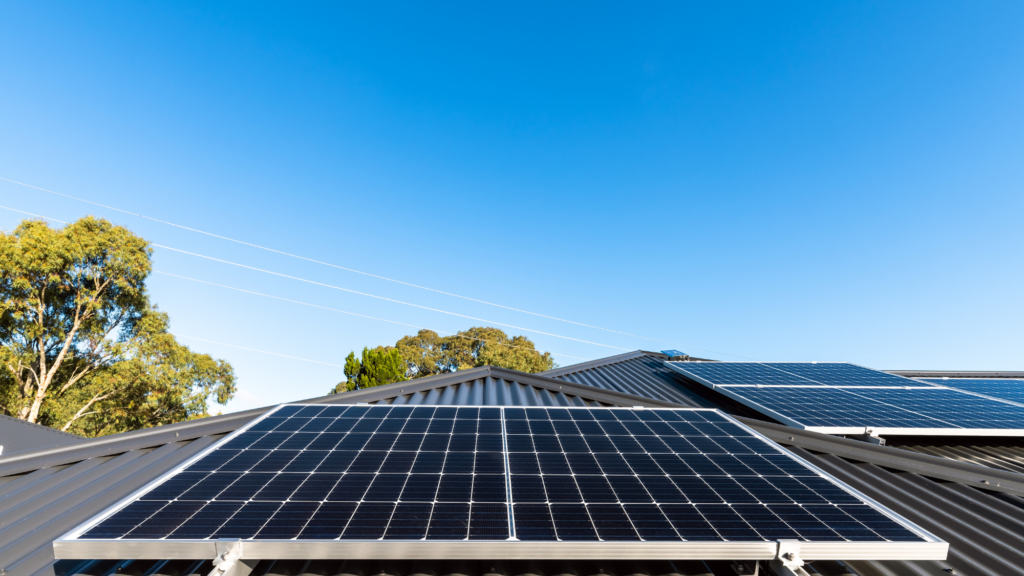
Solar energy has become an increasingly popular choice for homeowners who want to reduce electricity costs, improve energy efficiency, and make better use of renewable energy. Installing solar panels can be a valuable investment, but before panels are placed on a roof, homeowners need to consider an important structural factor: whether the existing roof can safely support the additional weight.
Understanding solar panel roof weight capacity is an essential part of planning a successful solar installation. Solar panels may appear relatively lightweight when viewed individually, but a complete solar array includes panels, mounting equipment, rails, attachments, wiring, and other components. When these materials are installed across a roof, they create an additional load that the roofing system and underlying structure must safely handle.
Understanding Solar Panel Weight
A typical solar panel weighs considerably more than it may appear from a distance. Depending on the manufacturer, size, and technology, residential solar panels commonly weigh several dozen pounds each. A complete installation may include numerous panels covering a significant portion of the roof.
The panels themselves are only one part of the total weight. A solar installation can also include:
- Mounting rails
- Roof attachments
- Clamps
- Flashing
- Inverters or microinverters
- Wiring
- Junction equipment
- Racking components
- Other installation hardware
The combined weight must be considered when evaluating solar panel roof weight capacity.
For example, a roof installation containing 20 panels will have substantially more added weight than a small system containing only a handful of panels. The exact load depends on the equipment selected and how the system is installed.
Homeowners should avoid assuming that every roof can automatically support solar panels simply because the roof currently supports normal roofing materials. Solar installations introduce a different type of load and require careful evaluation.
The Importance of Solar Panel Roof Weight Capacity
The solar panel roof weight capacity refers to the ability of the roof structure to safely carry the additional load created by the solar installation while continuing to perform as intended.
A roof does not function as just a layer of shingles or another exterior material. It is a complete system consisting of several components that work together. These may include the roofing material, underlayment, roof deck, rafters or trusses, structural connections, and supporting walls.
When solar panels are installed, the additional weight ultimately transfers through the mounting system and roof structure.
A professional evaluation should therefore consider more than the condition of the shingles. A roof can look attractive from the outside and still have structural concerns that need to be addressed before solar installation.
Roof Age and Solar Installation Planning
Roof age is one of the first factors homeowners should consider when planning solar installation.
If a roof is relatively new and in good condition, it may be an excellent candidate for solar panels. However, if the roof is approaching the end of its expected service life, installing solar panels without considering future replacement can create complications.
Solar panels are designed to remain in service for many years. If the roof needs replacement soon after installation, the solar system may need to be removed and reinstalled.
That can increase project costs and create unnecessary disruption.
Evaluating solar panel roof weight capacity should therefore be part of a larger roof assessment that considers the roof’s age, material, condition, and remaining service life.
For homeowners with an aging roof, completing necessary roofing work before installing solar panels may be a more practical long-term strategy.
Roof Structure and Load Distribution
The structural framework beneath the roof plays a major role in determining whether a solar installation is appropriate.
Roof structures commonly rely on rafters, trusses, beams, and other supporting components to distribute loads throughout the building. These structural members are designed to support existing roof materials as well as environmental loads such as wind and, where applicable, snow.
Solar panels add another permanent load.
The way that load is distributed can be just as important as the total weight. A properly designed mounting system spreads the load across multiple attachment points and structural members.
Improper installation can concentrate weight in areas that are not designed to carry it.
This is one reason homeowners should have the roof evaluated before moving forward with solar installation. A roofing professional can identify visible concerns, while a qualified structural professional may be needed for a more detailed structural assessment when appropriate.
Existing Roofing Materials and Solar Panel Weight
Different roofing materials have different characteristics, and the existing roof covering can affect the overall load.
Common residential roofing materials include:
- Asphalt shingles
- Metal roofing
- Clay tile
- Concrete tile
- Wood shingles
- Slate
- Synthetic roofing materials
Some roofing materials are naturally heavier than others. Tile and slate roofs, for example, can already place substantial loads on the underlying structure.
Adding solar equipment to an existing heavy roofing system requires careful consideration.
The goal is not simply to determine whether the roof can carry the weight of the panels. The complete structural load should be considered, including the existing roofing assembly and the additional solar equipment.
Understanding solar panel roof weight capacity is particularly important when a home has an older or unusually heavy roofing system.
Roof Condition Before Solar Installation
A roof should be in good condition before solar panels are installed.
Solar equipment can make future roof repairs more complicated because portions of the roofing surface may become inaccessible without removing or working around the panels.
Before installation, homeowners should look for signs of:
- Missing shingles
- Cracked roofing materials
- Curling shingles
- Granule loss
- Soft or damaged roof decking
- Water stains
- Previous leak repairs
- Damaged flashing
- Sagging areas
- Rot
- Deteriorated structural components
Installing solar panels over a roof with existing problems does not eliminate those problems.
In fact, covering a damaged roof can make future repairs more difficult.
A professional roof inspection can help homeowners understand whether the existing roof is ready for a solar installation or whether repairs or replacement should be completed first.
Roof Deck Strength and Solar Panels
The roof deck provides the surface over which many roofing materials are installed, but it also plays an important structural role.
Roof decking can deteriorate because of moisture intrusion, long-term exposure, improper ventilation, or previous leaks. Water damage can weaken sections of the deck and reduce the reliability of the roofing assembly.
If damaged decking is discovered before a solar installation, it should be addressed rather than covered.
A strong roof deck contributes to the overall performance of the roofing system, but it should not be confused with the complete structural evaluation needed to determine solar panel roof weight capacity.
When there are concerns about structural strength, a qualified professional should determine whether additional engineering evaluation is appropriate.
The Role of Roof Rafters and Trusses
Rafters and trusses are important structural components beneath the roof deck.
These members transfer loads toward the walls and foundation of the home. Their size, spacing, design, condition, and connections can affect how additional loads are handled.
Older homes may have structural designs that differ from newer construction. Remodeling projects may also have changed portions of the roof structure.
For example, previous renovations may have altered framing or created openings in areas that originally had a different structural configuration.
Because of these factors, homeowners should not rely solely on the visible roof surface when determining whether a solar array is appropriate.
A professional assessment of solar panel roof weight capacity considers how the entire roof assembly handles the added load.
Solar Mounting Systems and Weight Distribution
Solar panels are typically attached using a mounting or racking system designed for the particular roof and solar equipment.
The mounting system serves several purposes. It holds the panels securely, transfers loads to the roof structure, and helps the array resist environmental forces.
Depending on the roof type and solar design, installers may use different attachment methods.
The attachment points should be installed carefully and properly integrated with the roofing system. Penetrations through the roofing material must be appropriately flashed and sealed to help prevent water intrusion.
A solar installation is therefore both an electrical project and a roof-interface project.
The roofing system needs to remain watertight after the mounting equipment is installed.
Wind Loads and Solar Panels
Weight is only one consideration when evaluating a solar installation.
Solar panels can also interact with wind. Because panels sit above the roof surface, they can experience wind forces that differ from those affecting the roof itself.
The mounting system must be designed and installed to withstand expected environmental forces.
This means a roof evaluation should not focus exclusively on solar panel roof weight capacity. The installation also needs to account for attachment strength, wind exposure, roof design, and local conditions.
Proper installation helps reduce the risk of panel movement or damage during severe weather.
Snow and Environmental Loads
In regions where snow occurs, homeowners also need to consider how snow loads interact with the existing roof and solar equipment.
Solar panels can affect where snow accumulates and how loads are distributed across portions of the roof.
The combined structural considerations may include:
- Existing roof materials
- Solar equipment
- Snow loads
- Wind forces
- Roof pitch
- Structural framing
- Attachment locations
A professional assessment can help determine whether the roof is appropriately suited for the planned installation.
Signs That a Roof May Need Evaluation
Certain visible conditions should prompt homeowners to have their roof evaluated before installing solar panels.
These may include noticeable sagging, recurring leaks, damaged decking, cracked or deteriorated roofing materials, or evidence of structural movement.
A roof that already struggles with its existing loads may not be an appropriate candidate for additional equipment without corrective work.
Homeowners should also pay attention to the age of the roof. An older roof may still appear functional while having limited remaining service life.
Before investing in solar, evaluate both the roof’s current condition and its ability to support the planned system.
The Relationship Between Roof Replacement and Solar Panels
Homeowners who need a roof replacement and want solar panels have an opportunity to coordinate the two projects.
Installing solar panels after completing a new roof can reduce the likelihood that the panels will need to be removed prematurely.
This approach can also make it easier to inspect the roof deck, repair damaged areas, install appropriate flashing, and ensure the roofing system is prepared for the solar equipment.
When evaluating solar panel roof weight capacity, the timing of the roofing project should therefore be considered.
If your roof is nearing the end of its service life, discuss roof replacement options before installing solar panels.
Asphalt Shingles and Solar Compatibility
Asphalt shingles are among the most common residential roofing materials and are frequently used with solar installations.
However, the shingles themselves are not responsible for carrying the entire solar load.
The mounting hardware transfers forces through the roofing system into the underlying structure.
That means the condition of the shingles, underlayment, roof deck, and structural framing all matter.
Damaged or deteriorated shingles should be repaired or replaced before installation.
Metal Roofing and Solar Installations
Metal roofing can also be compatible with solar systems, although the installation method varies depending on the specific metal roof design.
Some metal roofing systems allow mounting methods that minimize or avoid traditional roof penetrations, while other installations use specialized attachments.
Regardless of the approach, the system must be designed for the roof type.
Homeowners should work with professionals who understand both the roofing system and the requirements of solar installation.
Tile, Slate, and Other Heavy Roofing Materials
Homes with tile, slate, or other heavy roofing materials require particularly careful planning.
These roofs can have different structural requirements than homes covered with lightweight asphalt shingles.
Adding solar equipment increases the total load.
In these situations, determining solar panel roof weight capacity may require more detailed structural analysis.
The roof’s existing weight, structural framing, age, condition, and solar system design should all be evaluated before installation.
The Impact of Roof Pitch
Roof pitch can influence solar panel installation in several ways.
A steep roof may require specialized mounting equipment and installation procedures. The pitch can also affect how panels interact with wind and how installers access the roof.
Although pitch does not independently determine whether a roof can support solar panels, it is an important part of the overall assessment.
A complete evaluation should consider roof pitch alongside structural capacity, roof condition, mounting design, and environmental loads.
Solar Panel Quantity and Total System Weight
The number of panels directly affects the total weight added to a roof.
A small solar array may place significantly less additional load than a large array.
However, the total weight should not be calculated by simply multiplying the weight of one panel by the number of panels. The complete system also includes racking, attachments, wiring, and other equipment.
Homeowners should ask their solar installer for the specifications of the proposed system and share those details with their roofing or structural professional when evaluating solar panel roof weight capacity.
Professional Roof Inspection Before Solar Installation
A roof inspection before solar installation can provide valuable information about the existing roofing system.
A professional inspection may examine:
- Roofing materials
- Flashing
- Roof valleys
- Penetrations
- Roof edges
- Shingles or other roof coverings
- Signs of leaks
- Roof decking
- Visible structural concerns
- Previous repairs
- General roof condition
The inspection can help identify problems that should be corrected before solar installation.
It can also help homeowners make better decisions about whether to repair the roof or replace it before adding solar equipment.
Protecting Your Roof During Solar Installation
Solar installation involves workers, equipment, mounting hardware, and roof penetrations in many applications.
Careless installation practices can damage roofing materials.
Protecting the roof during installation is therefore essential.
Installers should use appropriate access methods, avoid unnecessary damage to roofing materials, and properly integrate mounting components with the existing roof.
Flashing around penetrations is particularly important.
Even a structurally sound roof can develop leaks if mounting penetrations are improperly installed or sealed.
Long-Term Roof Maintenance With Solar Panels
Once solar panels are installed, homeowners should continue maintaining the roof.
Solar panels do not eliminate the need for roof inspections.
Some areas of the roof may be partially concealed by the panels, which can make inspection more challenging.
Homeowners should watch for visible signs of roofing problems around accessible areas and have professional inspections performed when appropriate.
Maintenance should also include checking for signs of water intrusion, damaged flashing, loose roofing materials, or other problems.
Keeping the roof in good condition protects both the home and the solar investment.
Coordinating Roofing and Solar Professionals
Roofing and solar work overlap in important ways, but the two trades have different areas of expertise.
A solar installer understands panel technology, electrical components, racking, and system performance.
A roofing professional understands roofing materials, flashing, roof assemblies, water management, and roof condition.
When both professionals coordinate, homeowners can make more informed decisions.
For structural concerns, a qualified structural engineer may also be appropriate.
The objective is to ensure that the solar system is installed on a roof that is structurally and functionally prepared for the additional equipment.
Avoiding Premature Solar Installation
One of the most common planning mistakes homeowners can make is installing solar before addressing known roofing problems.
If the roof has significant damage or is near the end of its service life, solar installation may need to be delayed until the roofing work is complete.
It is better to address the roof first than to install solar equipment and discover a major roofing problem later.
Planning ahead can help reduce future labor, removal, and reinstallation expenses.
A Practical Solar Roof Evaluation Checklist
Before installing solar panels, homeowners can use the following checklist as a starting point:
Determine the age of the roof.
Identify the existing roofing material.
Schedule a professional roof inspection.
Look for evidence of leaks or water damage.
Check for damaged or deteriorated roofing materials.
Evaluate visible roof decking concerns.
Review the proposed solar panel quantity.
Obtain the weight specifications for the complete solar system.
Evaluate the mounting method.
Consider wind and environmental loads.
Determine whether structural engineering is necessary.
Address roof repairs before installation.
Consider roof replacement if the existing roof is near the end of its service life.
Coordinate the roofing and solar installation teams.
Plan for long-term roof maintenance after installation.
This process can help homeowners approach solar installation with greater confidence.
Protecting Your Home and Solar Investment
Solar panels can provide significant long-term benefits, but the roof beneath them is an essential part of the installation.
A strong, properly maintained roof provides the foundation for a successful solar project.
Understanding solar panel roof weight capacity helps homeowners avoid treating solar installation as a simple matter of placing panels on an available roof surface.
The roof’s structure, condition, age, materials, mounting system, and environmental loads all deserve consideration.
A professional evaluation can reveal potential problems before they become expensive complications.
FM Roofing Can Help Prepare Your Roof for Solar
At FM Roofing, we understand that homeowners want to make smart investments in their homes. Solar panels can be an excellent addition, but the roof needs to be ready before installation begins.
Our team can help homeowners evaluate the condition of their roofing system and identify concerns that may need attention before solar installation.
From aging shingles and damaged flashing to roof deck concerns and signs of water intrusion, identifying roofing problems early can make the overall solar planning process easier.
When appropriate, homeowners can also coordinate roofing work with their solar installation timeline.
The goal is to create a reliable roofing foundation that supports the long-term performance of your home improvement investment.
Final Thoughts on Solar Panel Roof Weight Capacity
Solar panels offer homeowners an opportunity to generate renewable energy and potentially reduce dependence on traditional electricity sources. However, successful solar installation starts with the roof.
Understanding solar panel roof weight capacity is an important part of determining whether an existing roof is ready for a solar system. The total weight of the panels and mounting equipment, the condition of the roof, the structural framing, roofing material, roof age, environmental loads, and installation method all need to be considered.
Homeowners should never assume that a roof is suitable for solar simply because it appears to be in good condition. A professional evaluation can identify roofing or structural concerns that may not be visible from the ground.
If your roof is aging, damaged, leaking, or showing signs of structural problems, address those concerns before installing solar panels. If the roof is in good condition, a proper assessment of solar panel roof weight capacity can help determine the appropriate path forward.