A commercial roofing system is more than just the surface covering the top of a building. Every part of the system works together to protect the property from rain, wind, moisture, temperature fluctuations, and other environmental conditions. One component that often requires special attention is the parapet wall.
FM Roofing understands that proper roof care involves more than maintaining the visible roof surface. Parapet walls are located around the perimeter of many commercial buildings and are exposed to weather from multiple directions. Because of this constant exposure, they can develop issues that affect both the wall itself and the surrounding roofing system.
Proper parapet wall maintenance is essential for protecting the building from moisture intrusion and related damage. Cracked masonry, deteriorated coping, damaged flashing, failed sealants, and drainage problems can allow water into vulnerable areas. If these conditions are ignored, they may eventually lead to damaged roofing materials, structural deterioration, and costly repairs.
While parapet walls are most commonly associated with commercial properties, similar designs can be found on flat-roof homes, townhouses, multifamily properties, garages, additions, and modern architectural structures. Understanding how a parapet interacts with the roofing system can help property owners recognize potential problems before they become major repairs.
In this guide, we’ll cover what parapet walls are, why they are important, common problems, flashing, drainage, seasonal maintenance, inspections, repairs, and how professional roofing services can help protect your property.
What Is a Parapet Wall?
A parapet wall is a section of a building wall that extends above the roofline around the edge of the structure.
Parapets may be constructed using a variety of materials, including:
- Brick
- Concrete
- Concrete masonry units
- Stone
- Metal
- Wood-framed assemblies with exterior finishes
The materials and design typically depend on the building’s construction and architectural style.
Parapet walls can serve several purposes. They may provide a visual barrier around the roof, offer protection along roof edges, conceal mechanical equipment, or support certain roof-edge components.
Because the parapet meets directly with the roof, it is also a critical part of the overall roofing assembly.
Why Parapet Walls Matter to the Roofing System
A parapet wall and a roof should not be viewed as two completely separate components. The roof-to-wall transition must be properly designed and maintained to prevent water from entering the building envelope.
This transition can include:
- Base flashing
- Counterflashing
- Coping
- Roofing membranes
- Metal flashing
- Sealants
- Drainage components
When one of these components becomes damaged or deteriorated, moisture can reach areas that are normally protected.
For this reason, parapet maintenance should always be considered part of the complete roofing system.
Why Parapet Walls Are Vulnerable
Parapet walls are exposed to weather from several directions. Rain can strike the wall directly, while wind may push water toward masonry, coping, flashing, and roof-to-wall transitions.
Common environmental stresses include:
- Heavy rainfall
- Strong winds
- Freeze-thaw cycles
- Temperature fluctuations
- Ultraviolet exposure
- Snow and ice
- Moisture accumulation
Over time, repeated exposure to these conditions can cause roofing and masonry components to deteriorate.
Common Parapet Wall Problems
Routine inspections can help property owners identify issues before they become more serious.
Common parapet problems include:
- Cracked masonry
- Loose bricks
- Deteriorated mortar
- Damaged coping
- Failed flashing
- Cracked or deteriorated sealants
- Ponding water
- Blocked drainage
- Roofing membrane deterioration
- Rust and corrosion
Some of these conditions may appear minor at first, but continued moisture intrusion can cause significantly more damage over time.
Cracked Masonry
Cracks in parapet walls can create pathways for moisture to enter the wall assembly.
Masonry cracks may develop because of:
- Normal building movement
- Thermal expansion and contraction
- Freeze-thaw conditions
- Settlement
- Weather exposure
- Material deterioration
Not every crack indicates the same level of concern. A professional inspection can help determine whether a crack is primarily cosmetic or could indicate a more significant issue.
Deteriorating Mortar Joints
Brick and masonry parapets depend on mortar joints to maintain the integrity of the assembly and help limit moisture intrusion.
Over time, mortar can begin to deteriorate. Warning signs may include:
- Missing mortar
- Crumbling joints
- Open joints
- Powdery material
- Visible gaps
Damaged mortar should be evaluated because moisture can enter through deteriorated joints and contribute to additional damage.
Damaged Coping
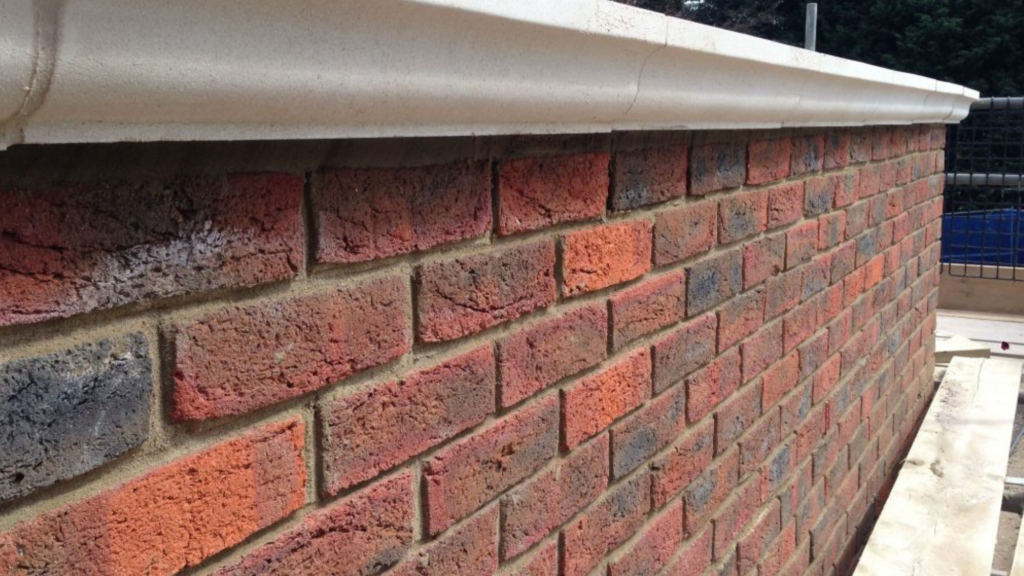
Coping is installed along the top of a parapet wall. It helps protect the wall from direct water exposure and directs water away from the wall assembly.
Coping can be made from materials such as:
- Metal
- Stone
- Concrete
- Precast materials
Cracked, loose, damaged, or improperly installed coping can allow water to penetrate the parapet. Because coping is continuously exposed to the elements, it should be included in regular roof inspections.
Flashing Around Parapets
Flashing is one of the most important components where a roof meets a parapet wall. Its primary purpose is to help direct water away from vulnerable roof-to-wall transitions.
Depending on the roofing system, flashing may be installed at the base of the parapet or incorporated into the roof membrane.
Proper flashing should be compatible with the roofing materials and securely installed to provide reliable protection.
Why Flashing Failures Can Cause Roof Leaks
When flashing fails, it can create openings between the roof and parapet where water can enter.
Potential causes include:
- Damaged flashing
- Loose sections
- Corrosion
- Failed seams
- Deteriorated sealants
- Improper installation
One challenge with parapet-related leaks is that water may travel through the roofing or wall assembly before becoming visible inside the building. As a result, the location of an interior water stain may not be directly above the actual source.
A professional inspection can help identify vulnerable transition areas and determine where the water is entering.
Counterflashing
Counterflashing is commonly used to protect the upper portion of a flashing system. It helps prevent water from getting behind the primary flashing.
Depending on the construction, counterflashing should be checked for:
- Gaps
- Corrosion
- Loose sections
- Damaged joints
- Failed sealants
Regular inspection can help identify deterioration before it contributes to moisture intrusion.
Sealant Maintenance
Sealants are often used around joints, transitions, penetrations, and flashing components.
Over time, sealants can:
- Crack
- Shrink
- Harden
- Separate
- Lose adhesion
However, adding new sealant is not always a complete repair. If the underlying flashing or wall assembly is damaged, applying additional sealant may only provide temporary protection.
A roofing professional can determine whether the problem requires resealing, flashing repair, masonry work, or a more extensive solution.
Drainage Around Parapet Walls
Effective water management is an important part of parapet maintenance.
The roof should allow water to move toward properly designed drainage points. Depending on the property, drainage may include:
- Internal roof drains
- Scuppers
- Gutters
- Downspouts
- Roof slopes
A properly maintained parapet should not create areas where water remains trapped for extended periods.
Scuppers and Parapets
Scuppers are openings through parapet walls that allow water to drain from the roof. They are especially important on low-slope commercial roofing systems.
A blocked scupper can prevent water from leaving the roof and contribute to water accumulation.
Property owners should check scuppers for:
- Leaves
- Dirt
- Debris
- Ice
- Damaged screens
- Structural obstructions
Keeping drainage openings clear is an important part of maintaining the roofing system.
Ponding Water Near Parapets
Standing or ponding water near a parapet can increase moisture exposure and place additional stress on the roofing system.
Possible causes include:
- Blocked drains
- Insufficient roof slope
- Structural movement
- Damaged insulation
- Poor drainage design
Persistent ponding should be investigated rather than simply removed repeatedly. Identifying and correcting the underlying cause can help reduce the risk of ongoing damage.
How Weather Affects Parapet Walls
Weather conditions can accelerate parapet deterioration.
Heavy rain can expose cracks and deteriorated joints to moisture. Strong winds can drive water into wall and flashing transitions. Temperature fluctuations can cause roofing and masonry materials to expand and contract.
In colder climates, freeze-thaw cycles can be especially damaging. Water can enter cracks, freeze, expand, and place pressure on surrounding materials. Repeated cycles can gradually make cracks larger and increase deterioration.
Winter Parapet Maintenance
Before winter arrives, property owners should inspect parapets for:
- Cracks
- Loose masonry
- Damaged coping
- Open mortar joints
- Failed flashing
- Blocked drainage
Taking care of these issues before freezing conditions can help reduce the possibility of moisture-related deterioration during the colder months.
Spring Parapet Inspections
Spring is a good time to inspect parapets following winter weather.
A professional inspection can help identify damage caused by:
- Ice
- Snow
- Freezing temperatures
- Wind
- Heavy precipitation
Addressing problems early can help prevent minor damage from developing into more expensive repairs.
Summer Heat and UV Exposure
Summer conditions can also affect parapet and roofing components.
High temperatures and prolonged sunlight can accelerate the deterioration of certain sealants, coatings, and roofing materials. Thermal expansion and contraction can also place additional stress on joints and transitions.
Regular inspections can help identify changes before they develop into larger problems.
Fall Maintenance
Fall maintenance should place a strong focus on drainage.
Leaves, branches, and other debris can accumulate around roof drains and scuppers. Before winter, property owners should ensure that drainage pathways are clear and functioning properly.
Keeping drainage systems clear is a simple but important part of parapet wall and roof maintenance.
Inspecting Parapets After Storms
Severe storms can cause damage to both parapet walls and roofing components.
High winds may loosen coping or masonry. Hail can damage exposed materials, while heavy rain may reveal existing drainage problems.
After a major storm, property owners should watch for:
- Missing coping
- Loose materials
- New cracks
- Damaged flashing
- Roofing membrane damage
- Signs of water intrusion
If significant damage is suspected, professional assessment is recommended.
Parapet Wall Movement
Building structures can experience movement over time. Thermal expansion, settlement, structural movement, and other conditions may affect parapet walls.
Warning signs can include:
- Large cracks
- Separation
- Leaning sections
- Bulging masonry
- Misaligned coping
These conditions should not be ignored. If structural movement is suspected, the property may require evaluation beyond routine roofing maintenance.
Bulging or Leaning Parapets
A parapet wall that is leaning or bulging may indicate a serious condition.
Possible causes include:
- Water intrusion
- Freeze-thaw damage
- Structural movement
- Deteriorated masonry
- Corroded reinforcement
Property owners should avoid attempting major repairs themselves. A qualified professional can evaluate the condition and determine the appropriate next steps.
Water Intrusion Behind the Parapet
Moisture can enter behind the visible surface of a parapet wall.
Possible entry points include:
- Cracked masonry
- Open mortar joints
- Failed flashing
- Damaged coping
- Deteriorated sealants
Once water enters the assembly, it can damage concealed materials. Prompt attention to visible warning signs can help limit additional deterioration.
Interior Signs of Parapet-Related Leaks
Problems with a parapet may eventually become noticeable inside the building.
Possible warning signs include:
- Ceiling stains
- Damp walls
- Peeling paint
- Water marks
- Musty odors
- Damaged insulation
Because water can travel through roofing and wall assemblies, an interior stain may not be located directly below the exterior source of the leak.
The Importance of Professional Leak Investigation
Locating the actual source of a roof leak can be challenging, particularly when the leak involves a parapet wall.
A professional may examine:
- The roof membrane
- Flashing
- Parapet walls
- Coping
- Roof penetrations
- Drainage systems
- Adjacent wall surfaces
A systematic inspection can help identify the actual point of water entry instead of simply treating the visible interior damage.
Maintaining the Roof Membrane
The roofing membrane or roof covering should be inspected carefully where it connects with the parapet.
Potential concerns include:
- Cracks
- Punctures
- Loose sections
- Seam problems
- Material deterioration
- Separation
The roof-to-parapet transition is especially important because several different materials and components come together in one area.
Protecting the Roof Edge
Roof edges are exposed to wind, rain, and other weather conditions.
While parapet walls can provide some protection, the roof-edge assembly still requires proper design and maintenance.
Depending on the roofing system, roof-edge protection may include:
- Metal edging
- Coping
- Flashing
- Membrane attachment
- Reinforcement
Proper installation and routine maintenance can help protect these areas from ongoing weather exposure.
Preventive Maintenance Is More Cost-Effective
One of the biggest benefits of regular parapet maintenance is the ability to identify problems early.
A small flashing defect may be relatively simple to repair. If left unaddressed, however, the same problem could contribute to:
- Wet insulation
- Damaged roof decking
- Masonry deterioration
- Interior property damage
- More extensive roofing repairs
Preventive maintenance cannot eliminate every roofing issue, but it can help reduce the likelihood of avoidable damage.
Create a Parapet Maintenance Checklist
Property owners can use a basic checklist during routine inspections.
Look for:
- Cracks
- Loose masonry
- Missing mortar
- Damaged coping
- Corrosion
- Failed sealants
- Flashing damage
- Blocked scuppers
- Ponding water
- Interior signs of leaks
Any unusual condition should be documented and professionally evaluated when necessary.
Documenting Parapet Conditions
Photographs and inspection records can help property owners monitor changes over time.
For example, if a small crack is photographed during one inspection, future inspections can determine whether it has grown or changed.
Useful records may include:
- Inspection dates
- Photographs
- Repair records
- Material information
- Contractor reports
Maintaining this information can be valuable for long-term roof management.
When Parapet Repairs Are Needed
The appropriate repair will depend on the specific condition of the parapet and roofing system.
Possible repairs include:
- Masonry repair
- Repointing
- Coping replacement
- Flashing repair
- Sealant replacement
- Membrane repair
- Drainage maintenance
Some projects may require coordination between roofing and masonry professionals to ensure the entire assembly is properly repaired.
Repointing Deteriorated Mortar
Repointing involves removing deteriorated mortar and replacing it with suitable new material.
The replacement mortar should be compatible with the existing masonry. Improper material selection or installation can create additional problems, which is why professional workmanship is important.
Replacing Damaged Coping
If coping is cracked, severely deteriorated, loose, or not directing water properly, replacement may be necessary.
A properly designed coping system should help move water away from the parapet and protect the roof-to-wall transition.
Repairing Parapet Flashing
Damaged flashing may need to be repaired or replaced.
The repair should properly integrate with the existing roof membrane and wall assembly. Simply covering a damaged section without correcting the underlying transition may not provide a lasting solution.
When a Larger Repair Is Necessary
Some parapet problems cannot be resolved with a small patch or simple maintenance.
More extensive repairs may be necessary when there is:
- Extensive masonry deterioration
- Significant water intrusion
- Structural movement
- Widespread flashing failure
- Severe coping damage
- Repeated roof leaks
A professional assessment can help determine the appropriate scope of work.
Parapet Walls During Roof Replacement
If a commercial or residential roof is being replaced, the parapet should be evaluated at the same time.
A new roof may not perform properly if surrounding parapet components remain severely deteriorated.
During a roof replacement, contractors may evaluate:
- Existing flashing
- Coping
- Wall transitions
- Roof membrane
- Drainage
- Roof penetrations
Roof replacement can provide an excellent opportunity to address related parapet problems before they lead to future issues.
Coordinating Roofing and Masonry Work
Parapet maintenance can sometimes involve more than one trade.
Roofing professionals may address:
- Roof membranes
- Flashing
- Waterproofing
- Roof-edge details
Masonry professionals may handle:
- Brick
- Mortar
- Concrete
- Structural masonry repairs
Proper coordination between professionals can help ensure that one repair does not interfere with another part of the building envelope.
Homeowners Can Benefit From Parapet Maintenance Too
Although parapet walls are often associated with commercial roofing, homeowners can also encounter them on:
- Flat-roof homes
- Townhouses
- Multifamily properties
- Garages
- Home additions
- Modern architectural homes
If your home includes a parapet, the wall should be treated as an important part of the overall roofing system.
How FM Roofing Can Help
FM Roofing takes a complete-system approach to roof maintenance. We understand that effective roofing care involves more than the main roof surface. Parapet walls, flashing, roof membranes, drainage systems, penetrations, and roof edges all play an important role in protecting your property.
Our team can evaluate roofing conditions involving parapet walls and help identify potential sources of water intrusion or deterioration.
If you notice a leak, damaged flashing, cracked coping, deteriorating roofing materials, or other concerns around a parapet, a professional evaluation can help determine the source of the problem and the most appropriate repair.
FM Roofing can also help property owners understand whether a condition may be suitable for a minor repair or whether more extensive work may be required.
Our goal is to provide practical roofing solutions based on the actual condition and needs of your property.
When to Call a Roofing Professional
Professional roofing assistance should be considered when you notice:
- Repeated leaks
- Damaged flashing
- Loose coping
- Large cracks
- Bulging masonry
- Leaning parapet walls
- Persistent ponding water
- Interior water stains
- Significant storm damage
Addressing these conditions early may help reduce additional deterioration and prevent a small problem from becoming a larger repair.
Protecting Your Roofing Investment
Your roof is a significant investment in your property, and parapet maintenance is an important part of protecting that investment.
Routine inspections and timely repairs can help reduce moisture exposure, preserve roof-to-wall transitions, and maintain the condition of the building envelope.
Property owners should not wait until water enters the interior before paying attention to parapet conditions.
Final Thoughts
Parapet walls are an important part of many commercial roofing systems, and maintaining them should be included in a comprehensive roofing maintenance plan. Because parapets sit directly along the roof perimeter, problems with masonry, coping, flashing, sealants, or drainage can eventually affect both the roof and the building interior.
Effective parapet maintenance begins with regular inspections. Property owners should monitor cracks, mortar joints, coping, flashing, sealants, drainage openings, and roof-to-wall transitions for signs of deterioration.
Weather exposure can make parapets particularly vulnerable. Rain, wind, temperature changes, freezing conditions, and sunlight can gradually wear down roofing and masonry materials. Identifying and addressing smaller problems early can help reduce the risk of more extensive damage.
Proper drainage is equally important. Scuppers, roof drains, gutters, and other drainage components should remain clear and functional so water does not accumulate around the parapet.
When replacing a roof, the parapet should also be inspected. Installing a new roofing system while leaving severely damaged flashing, coping, or masonry unaddressed can create problems later.
The same principles apply to homeowners whose properties feature parapet-style roofing. Regular inspections and maintenance can help protect the roof, walls, and interior of the home.
Whether you need a roof inspection, leak investigation, flashing repair, routine maintenance, or roof replacement, professional attention can help keep your roofing system functioning properly.
With consistent parapet wall maintenance, property owners can identify potential issues earlier, protect vulnerable roof-to-wall transitions, reduce moisture-related risks, and make more informed decisions about long-term roofing care.
A well-maintained parapet is an important part of a well-maintained roof—and protecting both helps protect the entire property.