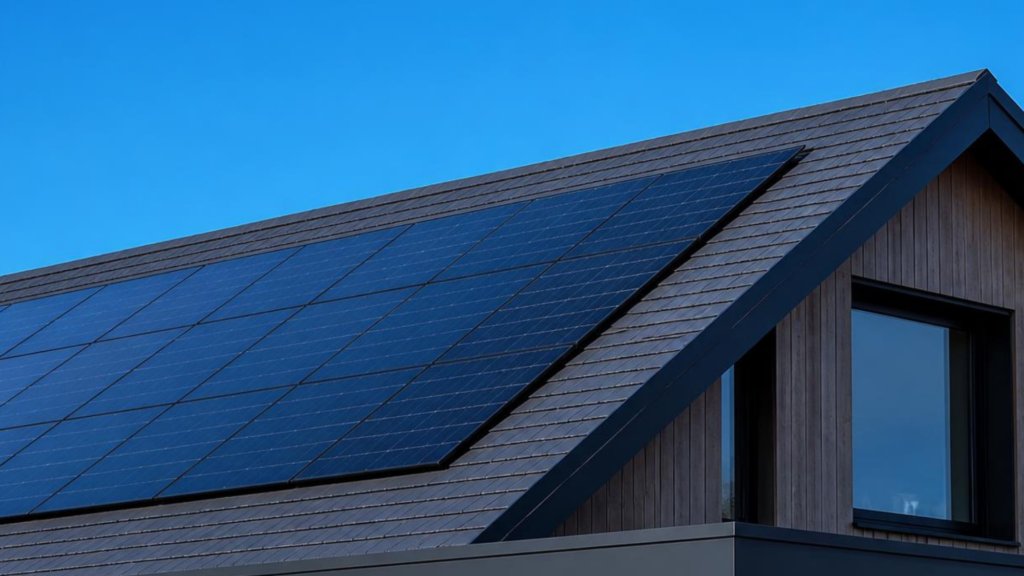
Energy efficiency has become an increasingly important consideration for property owners looking for practical ways to control operating costs. A commercial building’s roof can play a surprisingly important role in energy performance because it is constantly exposed to sunlight and outdoor temperatures. During warm weather, a dark or poorly performing roof can absorb a significant amount of solar radiation, contributing to higher temperatures at the roof surface and increasing the cooling demand inside the building.
One option property owners may consider is reflective commercial roofing. Designed to reflect more sunlight and absorb less solar energy than conventional dark roofing surfaces, reflective roofing systems can help reduce roof surface temperatures and may contribute to lower cooling demands under the right conditions.
Although commercial roofing is commonly associated with warehouses, offices, retail buildings, and industrial properties, homeowners can also benefit from understanding how reflective roofing works. Many homeowners own rental properties, garages, workshops, small businesses, or other structures where roof performance and energy efficiency matter.
Understanding Reflective Commercial Roofing
Reflective commercial roofing refers to roofing systems or roof surfaces designed to reflect a greater portion of incoming solar energy.
Traditional dark-colored roofing materials can absorb solar radiation and become significantly warmer when exposed to direct sunlight. Reflective roofing surfaces are designed to reflect more of that sunlight, helping limit heat absorption at the roof surface.
Reflectivity can be influenced by:
- Roof color
- Roofing material
- Surface coating
- Membrane formulation
- Solar reflectance
- Thermal emittance
- Roof condition
- Roof orientation
- Local climate
Reflective roofing is not simply a matter of choosing a white roof. Different roofing systems have different performance characteristics, and the appropriate solution depends on the building and its specific needs.
The Connection Between Roof Temperature and Energy Use
The roof is one of the largest exterior surfaces exposed to the sun. During warm weather, solar radiation can raise the temperature of the roof assembly.
As the roof becomes hotter, heat can transfer through the roofing system and into the building below. This can increase the workload placed on air-conditioning equipment.
A reflective roof can reduce the amount of solar energy absorbed by the roof surface. By keeping the roof surface cooler under sunny conditions, the system may help reduce heat transfer into the building.
The potential energy savings depend on many factors, including the building’s insulation, HVAC efficiency, climate, roof design, operating schedule, and existing energy consumption.
For this reason, reflective commercial roofing should be viewed as one component of an overall energy-efficiency strategy rather than a guaranteed solution for reducing every building’s energy bills.
Solar Reflectance and Thermal Emittance
Two important properties are commonly considered when evaluating cool or reflective roofing: solar reflectance and thermal emittance.
Solar reflectance describes how much incoming solar energy a surface reflects. A highly reflective surface sends more solar energy away rather than absorbing it.
Thermal emittance describes how effectively a surface releases absorbed heat as infrared radiation.
These characteristics work together to influence the thermal behavior of a roofing surface.
A roof with high solar reflectance can limit heat absorption, while appropriate thermal emittance can help the surface release absorbed heat.
Property owners evaluating reflective commercial roofing should therefore look beyond color alone and consider the performance characteristics of the complete roofing product.
Benefits of Reflective Roofing During Warm Weather
The potential benefits of reflective commercial roofing are especially relevant during periods of intense sunlight and warm outdoor temperatures.
A reflective roof may help:
- Reduce roof surface temperatures
- Reduce heat transfer into the building
- Lower cooling demand
- Improve upper-floor comfort
- Reduce thermal stress on some roofing components
- Support energy-efficiency goals
- Contribute to a more comfortable building environment
The actual results depend on the specific property.
Buildings with large roof areas and significant cooling loads may have more opportunity to benefit from reflective roofing than small structures with minimal cooling requirements.
Commercial Buildings With Large Roof Areas
Large commercial buildings often have expansive roof surfaces.
Warehouses, retail stores, manufacturing facilities, schools, offices, and other large structures may have thousands of square feet of roofing exposed to direct sunlight.
When a large roof area absorbs substantial solar energy, the resulting heat can influence indoor temperatures and cooling requirements.
This makes roof reflectivity an important consideration when selecting a new roofing system or planning a roof replacement.
For property owners considering reflective commercial roofing, the size and configuration of the building should be part of the overall evaluation.
Reflective Roofing and HVAC Performance
Heating and cooling systems represent a major component of energy use in many buildings.
During hot weather, HVAC systems must remove heat from interior spaces to maintain comfortable temperatures.
A reflective roof can help reduce the amount of heat transferred through the roof assembly. This may reduce some of the cooling burden placed on the HVAC system.
However, reflective roofing should not be expected to compensate for an inefficient HVAC system, inadequate insulation, air leakage, or poor building design.
The greatest results often come from combining multiple energy-efficiency improvements.
Reflective Roofing and Insulation
Roof reflectivity and insulation perform different but complementary functions.
Reflective roofing helps reduce the amount of solar energy absorbed by the roof surface.
Insulation helps slow the transfer of heat between the exterior and interior of the building.
A roofing system can benefit from both.
For example, a reflective membrane combined with properly designed insulation can provide a stronger overall thermal strategy than relying on surface reflectivity alone.
When planning a roof replacement, property owners should evaluate the entire roof assembly rather than focusing exclusively on the visible surface.
Reflective Roofing Materials
Several types of roofing systems may be available in reflective options.
These can include:
- Single-ply membranes
- Reflective coatings
- Modified bitumen systems
- Certain metal roofing systems
- Coated roofing products
- Other specialized commercial roofing assemblies
The appropriate material depends on the building, roof slope, drainage, existing system, climate, maintenance requirements, and project budget.
Not every reflective product is appropriate for every roof.
A professional roofing evaluation can help determine which materials are compatible with the existing structure and intended performance goals.
White and Light-Colored Roofing Systems
White and light-colored roofing surfaces are commonly associated with reflective roofing because they generally reflect more sunlight than darker surfaces.
However, color is only one part of roofing performance.
The formulation, texture, age, cleanliness, and condition of the roofing surface can also influence how it performs over time.
A light-colored roof that becomes heavily covered in dirt or debris may not perform exactly like a clean, new surface.
Regular maintenance therefore remains important even when a reflective roofing system is installed.
Reflective Roof Coatings
Roof coatings can sometimes provide a way to improve the reflective characteristics of an existing roof without completely replacing the underlying system.
Depending on the roof type and condition, a compatible coating may help restore or improve surface performance while also extending the service life of the roof.
However, coatings are not appropriate for every roofing system.
Before applying a coating, the existing roof should be evaluated for:
- Moisture intrusion
- Structural problems
- Membrane damage
- Ponding water
- Surface deterioration
- Existing coatings
- Adhesion issues
- Drainage problems
A coating should not be used to conceal significant underlying roofing problems.
Reflective Commercial Roofing and Roof Condition
Energy efficiency should never come at the expense of basic roof performance.
A roof’s primary purpose is to protect the building from weather.
Before choosing reflective commercial roofing, property owners should make sure the roof is structurally sound and capable of providing reliable water protection.
Problems such as leaks, damaged membranes, deteriorated flashing, damaged insulation, and poor drainage should be addressed as part of the roofing plan.
An energy-efficient roof that leaks is not a successful roofing system.
Reflective Roofing and Roof Longevity
Roofing materials are exposed to sunlight, temperature changes, moisture, wind, and other environmental conditions throughout their service life.
Reducing excessive heat exposure may help certain roofing systems experience less thermal stress.
Repeated heating and cooling can cause roofing materials and building components to expand and contract.
While reflectivity alone does not guarantee a longer roof lifespan, reducing extreme surface temperatures may be beneficial for certain systems.
Proper installation, maintenance, drainage, ventilation, and material selection remain essential to maximizing roof longevity.
Reflective Roofing for Missouri Properties
Missouri property owners experience a variety of weather conditions throughout the year.
Summers can bring significant heat and humidity, while winters can introduce cold temperatures, ice, snow, and freeze-thaw cycles.
This means a commercial roof needs to perform across changing seasons.
A reflective roof can provide particular advantages during sunny, warm periods by reducing solar heat absorption. However, the roofing system must also be designed to handle Missouri’s broader range of weather conditions.
At FM Roofing, we understand the importance of considering local climate conditions when evaluating roofing materials and energy-efficiency improvements.
Seasonal Performance Considerations
Reflective roofing is often most beneficial during warm, sunny periods when solar heat gain is a significant concern.
During cooler months, heating demand may be more important than cooling demand.
This means property owners should evaluate the roofing system based on the building’s year-round energy performance rather than assuming that the most reflective roof is automatically the best option.
A professional assessment can help balance reflectivity, insulation, roof design, maintenance, and local climate conditions.
Reflective Roofing and Roof Drainage
Roof drainage remains important regardless of whether the roof is reflective.
Flat and low-slope commercial roofs must be designed to move water toward drains, scuppers, gutters, or other drainage systems.
Standing water can contribute to roofing deterioration and create maintenance concerns.
A reflective coating or membrane does not eliminate drainage requirements.
Before installing reflective commercial roofing, property owners should address existing drainage problems and make sure the roof has an appropriate system for managing rainfall.
Dirt, Debris, and Reflective Performance
Roof cleanliness can influence the appearance and performance of reflective roofing.
Dirt, dust, biological growth, leaves, and other debris can accumulate on roof surfaces over time.
This can change the appearance of the roof and may affect its reflective characteristics.
Regular inspections can help identify areas where debris or buildup is becoming a problem.
Cleaning should be performed according to the roofing manufacturer’s recommendations. Aggressive cleaning methods can damage certain roofing materials or coatings.
Reflective Roofing Maintenance
Like any roofing system, reflective commercial roofing requires regular maintenance.
A maintenance program may include:
- Visual inspections
- Drain cleaning
- Flashing inspections
- Membrane inspections
- Coating evaluations
- Sealant checks
- Debris removal
- Leak monitoring
- Drainage inspections
- Repairs as needed
Regular maintenance helps identify small problems before they develop into more expensive roofing failures.
It also provides an opportunity to evaluate whether the reflective surface continues to perform as intended.
Reflective Roofing and Roof Replacement Planning
Roof replacement is an ideal opportunity to evaluate energy-efficiency goals.
If a commercial roof is already approaching the end of its service life, property owners can compare traditional roofing systems with reflective alternatives before construction begins.
During planning, consider:
- Existing roof condition
- Building energy use
- Cooling demand
- Insulation
- Roof slope
- Drainage
- Roofing material
- Expected service life
- Maintenance requirements
- Budget
- Long-term property plans
Selecting reflective commercial roofing as part of a planned replacement can be more practical than trying to retrofit an unsuitable roof later.
Reflective Roofing and Sustainability Goals
Many property owners are increasingly interested in reducing energy consumption and improving the environmental performance of their buildings.
Reflective roofing can contribute to those goals by reducing solar heat absorption and potentially lowering cooling demand.
The environmental impact of a roofing system should also include factors such as:
- Material manufacturing
- Transportation
- Service life
- Maintenance
- Repairability
- Recyclability
- Disposal
- Energy performance
A roofing system should be evaluated as a complete life-cycle investment rather than based on one characteristic.
Reflective Roofing for Homeowners With Investment Properties
Homeowners who own rental homes, commercial buildings, mixed-use properties, or other investment properties may benefit from understanding reflective roofing options.
Energy expenses can affect operating costs and tenant comfort.
A roof that helps reduce heat transfer may be especially valuable in buildings with large cooling loads.
For property owners, reflective commercial roofing can become part of a larger strategy for improving building performance while planning long-term maintenance and capital improvements.
Roof Reflectivity and Tenant Comfort
In commercial buildings with occupied upper floors, roof heat gain can influence indoor comfort.
A properly designed roofing assembly can help reduce heat transfer into occupied spaces.
However, tenant comfort also depends on insulation, windows, HVAC systems, air sealing, building orientation, and other factors.
Reflective roofing should therefore be considered as one part of a broader building-envelope strategy.
Evaluating the Existing Roof Before Installation
Before recommending a new roofing system, a professional roofing contractor should evaluate the existing roof.
An assessment may examine:
- Roofing material
- Membrane condition
- Flashing
- Drainage
- Insulation
- Roof deck
- Penetrations
- Previous repairs
- Moisture damage
- Roof age
- Existing coatings
This information helps determine whether the building needs a complete roof replacement, repair, restoration, or another approach.
Choosing reflective commercial roofing without first evaluating the existing roof can lead to poor results if underlying problems are left unresolved.
Cost Considerations for Reflective Roofing
The cost of reflective roofing depends on numerous factors.
These may include:
- Roof size
- Roofing material
- Existing roof condition
- Labor
- Insulation
- Drainage improvements
- Flashing
- Roof access
- Coating requirements
- Removal and disposal
- Project complexity
Although a reflective roofing system may have a higher initial cost than some conventional options, property owners should consider potential long-term benefits.
Energy savings, maintenance requirements, service life, and future replacement costs can all influence the overall value of the investment.
Energy Savings Should Be Evaluated Realistically
One of the most important considerations when choosing reflective commercial roofing is setting realistic expectations.
Reflective roofing can reduce heat absorption, but energy savings vary significantly from one building to another.
Factors affecting potential savings include:
- Local climate
- Building insulation
- HVAC efficiency
- Roof size
- Building occupancy
- Roof reflectivity
- Existing roof color
- Electricity rates
- Operating hours
- Building design
A professional energy assessment may provide a more accurate estimate of potential savings than relying on generalized claims.
Reflective Roofing and Roof Warranty Considerations
When selecting a roofing product or coating, homeowners and property owners should review warranty requirements.
Some manufacturers have specific installation, maintenance, cleaning, and repair requirements.
Using incompatible products or unauthorized installation methods may affect warranty coverage.
Property owners should keep records of the roofing system, installation, inspections, repairs, and maintenance.
Following manufacturer recommendations can help protect the long-term performance of the roof.
Professional Installation Matters
Even a high-quality reflective roofing material cannot perform properly if it is installed incorrectly.
Roofing installation affects:
- Water resistance
- Flashing performance
- Drainage
- Membrane seams
- Attachment
- Insulation
- Expansion and movement
- Roof longevity
Professional installation is particularly important when applying coatings or installing membrane systems.
At FM Roofing, we understand that the performance of a roofing system depends on both the materials and the quality of installation.
Combining Reflective Roofing With Other Improvements
Property owners seeking better energy performance may want to combine reflective roofing with other improvements.
These can include:
- Improved insulation
- Efficient HVAC equipment
- Air sealing
- Energy-efficient windows
- Improved ventilation where appropriate
- Efficient lighting
- Solar energy systems
- Building controls
A roof can be an important part of the building envelope, but energy efficiency works best when multiple components work together.
Reflective Roofing and Solar Panels
Some property owners consider reflective roofing and solar panels as complementary investments.
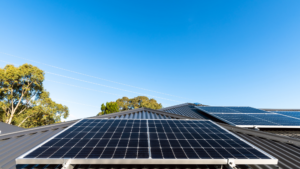
Solar panels generate electricity from sunlight, while a reflective roof reduces the amount of solar energy absorbed by the roofing surface.
The two systems serve different purposes and can sometimes be incorporated into an overall energy strategy.
However, solar equipment must be installed with careful attention to roof condition, penetrations, flashing, structural requirements, and future maintenance.
A roof should be evaluated before installing solar panels, particularly if the roof is approaching the end of its service life.
Planning for Long-Term Roof Performance
The best roofing decision is usually one that considers the entire expected service life of the roof.
Property owners should consider not only today’s installation cost but also:
- Energy performance
- Maintenance
- Repairs
- Durability
- Warranty
- Expected lifespan
- Future building use
- Replacement timing
Reflective commercial roofing may provide meaningful long-term value when it is properly selected for the building and installed as part of a complete roofing strategy.
FM Roofing and Energy-Efficient Roofing Solutions
At FM Roofing, we understand that today’s property owners want roofing systems that provide dependable protection while also supporting long-term efficiency.
Our team can help evaluate the existing roof and discuss roofing options that fit the property’s condition, design, and performance goals.
Whether a project involves repair, restoration, replacement, or maintenance, our approach focuses on creating a roofing system that performs reliably over time.
When reflective commercial roofing is appropriate for a property, it can be incorporated into the overall roofing plan with attention to materials, insulation, drainage, installation quality, and long-term maintenance.
A Practical Reflective Roofing Planning Checklist
Before investing in a reflective roofing system, property owners can consider the following:
- Inspect the existing roof.
- Determine the remaining service life of the current system.
- Identify existing leaks or moisture problems.
- Evaluate roof insulation.
- Review the building’s cooling requirements.
- Consider local weather conditions.
- Compare available roofing materials.
- Review solar reflectance and thermal emittance information.
- Evaluate drainage.
- Consider maintenance requirements.
- Review manufacturer warranties.
- Compare installation and life-cycle costs.
- Consider other energy-efficiency improvements.
- Work with a qualified roofing contractor.
- Develop a long-term maintenance plan.
This approach helps ensure that the roofing decision is based on the needs of the entire property rather than a single product feature.
Final Thoughts on Reflective Commercial Roofing
A commercial roof has a major impact on how a building handles outdoor weather and solar heat. During warm, sunny conditions, the roof can absorb substantial amounts of solar energy, increasing roof surface temperatures and potentially contributing to higher cooling demand.
Reflective commercial roofing provides one way for property owners to address this issue. By reflecting more solar energy and reducing heat absorption, reflective roofing systems can help improve the thermal performance of certain buildings.
However, reflective roofing is not a replacement for proper insulation, efficient HVAC equipment, good drainage, professional installation, or regular maintenance. The best results come from considering the entire building and roofing system.
For homeowners and property owners in Missouri, selecting the right roof requires attention to local weather, building design, roof condition, energy use, and long-term maintenance needs.
A well-planned roofing investment can provide more than weather protection. With the right materials, installation, maintenance, and energy-efficiency strategy, your roof can contribute to a more comfortable, efficient, and dependable property for years to come.