Your roof is one of the most important parts of your home, protecting everything beneath it from harsh weather, falling debris, and extreme temperatures. Yet despite how vital it is, most homeowners rarely think about their roof until there’s a visible issue—or worse, a costly emergency.
At FM Roofing, we’ve seen too many cases where damage could’ve been prevented with a timely inspection. That’s why we’re sharing this comprehensive guide to help homeowners recognize the top roof inspection warning signs before things get serious. These signs can save you thousands of dollars, extend the life of your roof, and keep your family safe year-round.
Why Inspections Matter: More Than Just a Routine Check
It’s easy to forget about your roof. Unlike your HVAC system or plumbing, you don’t interact with it daily. But your roof silently takes on everything—rain, hail, wind, sun, snow, and debris. Over time, this constant exposure causes wear and tear.
What most homeowners don’t realize is that many roofing problems develop gradually. By the time a leak shows up on your ceiling, the damage may already be extensive beneath the surface. That’s where knowing the roof inspection warning signs becomes crucial. Spotting problems early can help you:
- Avoid emergency repair costs
- Prolong your roof’s lifespan
- Keep your attic, insulation, and ceilings protected
- Improve energy efficiency
- Protect your home’s value
Let’s dive into the five major warning signs that should never be ignored.
1. Missing, Cracked, or Curling Shingles
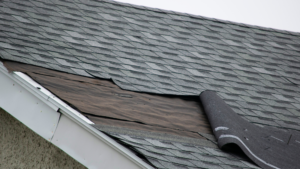
Your shingles form the first layer of protection between your home and the outside world. If they’re damaged or missing, it means your roof is vulnerable to water intrusion, rot, and heat damage.
What to look for:
- Shingles that are lifted at the edges or corners
- Cracked or split shingles
- Shingles that are completely missing
- Areas that appear bald or discolored due to granule loss
These are some of the most visible and urgent roof inspection warning signs. Whether it’s from storm damage, poor installation, or age, faulty shingles can lead to water entering your roof deck—and eventually, your home interior.
If you notice any of these issues, contact FM Roofing right away. We’ll assess the damage and help prevent further deterioration.
2. Water Stains on Ceilings or Walls
Water stains inside your home are a clear sign that something’s wrong up top. By the time water reaches your ceiling or walls, it has already traveled through shingles, underlayment, and insulation.
What to look for:
- Brown or yellow stains on the ceiling
- Peeling paint or wallpaper near the top of walls
- A musty smell coming from the attic
These symptoms are not just cosmetic—they’re one of the most serious roof inspection warning signs. A small leak can lead to mold growth, insulation damage, and even structural weakening if left untreated.
Early detection means smaller repairs and fewer long-term consequences. If you’re unsure, FM Roofing offers thorough inspections to trace the source of leaks fast.
3. Sagging or Uneven Rooflines
When a roof begins to sag, it may signal a structural issue—typically caused by water damage, rot, or excessive weight (like snow buildup). This is one of the more dangerous roof inspection warning signs, especially in older homes or after a tough winter.
What to look for:
- Visible dips or waves in the roof
- A ridge line that’s no longer straight
- Uneven sections when viewed from the ground
Sagging could indicate that moisture has been absorbed into the roof decking, weakening the internal support system. In severe cases, this can result in partial or full roof collapse.
FM Roofing specializes in identifying the cause of sagging and offering long-term solutions that keep your home secure.
4. Granules in the Gutters or Downspouts
Asphalt shingles are coated with protective granules that help reflect UV rays and weatherproof the roof. Over time, these granules naturally wear off—but accelerated granule loss is one of the more subtle roof inspection warning signs that your shingles may be failing.
What to look for:
- Black or gray sand-like particles in your gutters
- Discolored patches on the roof
- Shingles that look “bald” in certain areas
Granule loss weakens the shingle surface, making it more prone to sun exposure and water damage. If you notice excessive shedding, it may be time to consider repair or replacement.
5. Unexpected Rise in Energy Bills
A well-insulated, well-ventilated roof helps regulate indoor temperature. When there’s damage or decay in the roofing system, it affects your attic’s ability to retain warmth in the winter and coolness in the summer.
What to look for:
- Noticeable spikes in your heating or cooling costs
- Drafts or temperature imbalances in upstairs rooms
- An HVAC system running longer than usual
While this may not seem like a direct issue with your roof, it’s one of the more overlooked roof inspection warning signs. Energy loss through the roof often indicates ventilation problems, insulation gaps, or underlying leaks.
At FM Roofing, we don’t just inspect your shingles—we assess your roof’s entire energy performance.
Other Roof Inspection Warning Signs You Shouldn’t Ignore
Beyond the major five, there are several lesser-known signs that still warrant immediate attention:
- Rusted or lifted flashing
- Moss, algae, or mold growing on shingles
- Light coming through the attic ceiling
- Wet or compressed attic insulation
- Debris buildup in roof valleys or near vents
- Exposed or loose nails
Each of these could indicate early damage or vulnerabilities in your roofing system. They’re still valid roof inspection warning signs, and catching them early can help avoid more serious issues later.
Seasonal Tips: When to Schedule a Roof Inspection
In Wisconsin and surrounding areas, weather plays a huge role in how your roof performs. We recommend scheduling roof inspections at least once per year—and also after extreme weather events.
Here’s a simple seasonal guide:
- Spring: Check for storm or winter damage, clear debris, assess shingles and flashings
- Summer: Look for UV damage, granule loss, and insulation efficiency
- Fall: Prepare for snow by ensuring gutters and ventilation are working properly
- Winter: Inspect for ice dams, attic moisture, and sagging due to snow buildup
If you see any roof inspection warning signs during these periods, don’t wait. The longer you delay, the higher the cost may be.
The Cost of Ignoring the Warning Signs
Postponing an inspection could lead to a wide range of issues, including:
- Water damage to your attic, insulation, drywall, or floors
- Mold or mildew growth that affects indoor air quality
- Structural damage that puts your home and family at risk
- Emergency repairs that cost 3x more than preventative maintenance
- Full roof replacements that could have been delayed with minor fixes
By keeping an eye out for roof inspection warning signs, you can protect not just your home’s structure, but also your savings.
FM Roofing’s Roof Inspection Process
When you call FM Roofing for an inspection, here’s what you can expect:
- Initial Assessment
- Exterior Inspection
- Interior Check
- Documentation and Report
- Honest Advice
We take the stress and guesswork out of the process—because when it comes to roof inspection warning signs, homeowners deserve clear answers and peace of mind.
How to Choose the Right Roofing Company
If you’re considering a roof inspection, it’s important to hire a certified, local roofer you can trust. Here’s what to look for:
- Licensed and insured contractors
- Transparent reviews and testimonials
- No-pressure estimates
- Experience with your roof type (shingle, metal, etc.)
- Warranty-backed service
FM Roofing has been serving homeowners for over a decade. We understand the climate, the materials, and the needs of families like yours. If you’re seeing roof inspection warning signs, we’re ready to help.
Final Thoughts
Your roof protects your biggest investment—your home. But even the strongest roofing system needs regular attention. By understanding and watching for the most common roof inspection warning signs, you can avoid sudden breakdowns and extend the life of your roof.
From small leaks to sagging structures, every issue starts somewhere. Catch it early, and it’s easier—and cheaper—to handle.
If you’ve seen any of the warning signs mentioned in this article, don’t wait. Reach out to FM Roofing today for a thorough, honest inspection from professionals who care.
Let us help you keep your roof—and your home—safe, strong, and storm-ready.