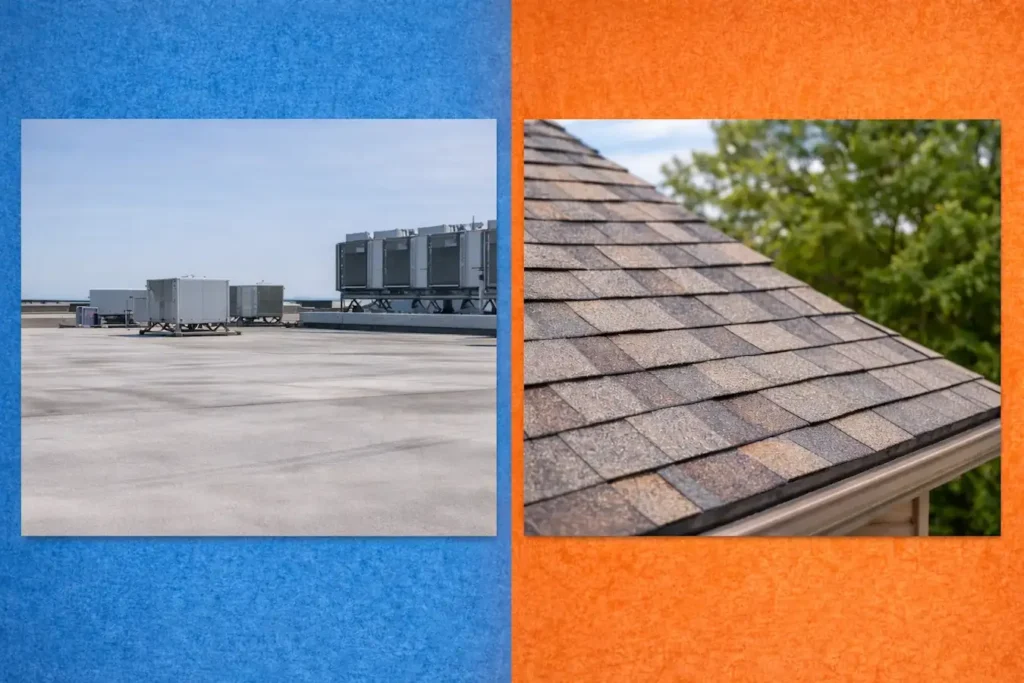
When it comes to protecting your home or commercial property, the roof is one of the most critical components. Regular roof inspections are essential to ensure the safety, durability, and performance of your roofing system. But not all inspections are created equal. There are key commercial residential roof inspection differences that homeowners and property managers must understand.
At FM Roofing, we provide both residential and commercial roof inspections, tailoring our services to the unique needs of each property type. In this comprehensive guide, we’ll explore the major commercial residential roof inspection differences so you know exactly what to expect—and why it matters. Stay updated—join us on Facebook.
Why Roof Inspections Are Essential
Before diving into the differences, let’s review why roof inspections are important for any property:
- Preventative maintenance
- Identifying hidden damage
- Extending the roof’s lifespan
- Ensuring warranty compliance
- Reducing long-term repair costs
Whether for your home or business, a thorough inspection is a proactive way to protect your investment. Still, understanding commercial residential roof inspection differences ensures the right approach is taken.
The Purpose of Roof Inspections: Same Goal, Different Needs
Both commercial and residential roof inspections aim to identify damage, weaknesses, and signs of wear. But the way inspections are performed and what they look for vary due to the differences in roof structure, material, size, and use.
This is where the commercial residential roof inspection differences begin to stand out.
Structural Differences
Residential Roofs
- Typically pitched
- Often made with asphalt shingles, metal panels, or tiles
- Smaller surface area
- Simpler drainage systems
Commercial Roofs
- Usually flat or low-sloped
- Built with materials like TPO, EPDM, modified bitumen, or metal
- Large surface area, often with HVAC units and skylights
- Complex drainage systems with scuppers, internal drains, and downspouts
Due to these construction differences, the approach to inspecting each type of roof varies significantly. This is one of the most noticeable commercial residential roof inspection differences.
Inspection Scope and Depth
One of the key commercial residential roof inspection differences is the level of detail required.
Residential Roof Inspections Include:
- Shingle condition and granule loss
- Flashing around vents and chimneys
- Gutter and downspout condition
- Attic ventilation and insulation
- Signs of roof leaks or water intrusion
Commercial Roof Inspections Include:
- Membrane punctures, blisters, or seam separations
- Drainage system functionality
- Penetration points around HVAC, skylights, etc.
- Roof-mounted equipment and structural integrity
- Signs of ponding water or UV damage
Commercial roofs require a more technical evaluation due to the complexity of their systems, reinforcing the commercial residential roof inspection differences.
Equipment Used During Inspections
Another major commercial residential roof inspection difference lies in the equipment used.
Residential inspections are often completed with:
- Ladders
- Binoculars or drones
- Moisture meters
- Flashlights for attic checks
Commercial inspections may require:
- Infrared scanners (to detect hidden moisture)
- Core sampling tools
- Drones with high-resolution cameras
- Harness systems for safety on flat roofs
The scope of commercial roof inspections often requires specialized equipment to cover more square footage and complex structures—further emphasizing commercial residential roof inspection differences.
Frequency of Inspections
Homeowners are usually advised to get a residential roof inspection:
- Once per year
- After a major storm
- Before selling or buying a home
Commercial property owners, on the other hand, may need roof inspections:
- Twice per year (spring and fall)
- After severe weather events
- As part of ongoing preventative maintenance programs
Due to the size and cost of commercial roofing systems, more frequent inspections are recommended, which reflects another of the commercial residential roof inspection differences.
Documentation and Reporting
There’s also a significant difference in the type of documentation provided.
Residential inspection reports typically include:
- Photos of damage
- General condition summary
- Repair recommendations
Commercial inspection reports often include:
- A detailed roof drawing or schematic
- Photos and moisture scans
- Roof core data (if taken)
- Long-term maintenance plans
- Cost estimates for repair or restoration
These documentation differences reflect the higher stakes and liability associated with commercial buildings. This is one of the most critical commercial residential roof inspection differences to keep in mind.
Cost and Time Commitment
Unsurprisingly, the cost of an inspection is one of the clearer commercial residential roof inspection differences.
- Residential roof inspections typically cost less due to the smaller area and simpler systems.
- Commercial inspections are more expensive but also more comprehensive.
- Time requirements also vary, with residential inspections taking 1–2 hours and commercial inspections often lasting half a day or more.
Regulatory and Warranty Requirements
Many commercial roofs are under manufacturer warranties or part of lease agreements, which require detailed inspection documentation. Failing to meet these standards can void the warranty.
Residential warranties are typically less stringent, but still benefit from annual inspections.
Understanding these commercial residential roof inspection differences ensures that property owners remain compliant and avoid costly mistakes.
Common Issues Uncovered in Residential Roof Inspections
- Missing or damaged shingles
- Poor attic ventilation
- Ice dam formation
- Flashing gaps
- Moss or algae growth
- Nail pops and granule loss
These issues may seem small but can lead to serious problems if left unaddressed.
Common Issues Uncovered in Commercial Roof Inspections
- Membrane punctures from foot traffic
- Water ponding
- Drainage clogs
- Separation at seams
- UV degradation
- Flashing failure at equipment curbs
Commercial roofing issues can quickly escalate without professional attention. These findings underscore the commercial residential roof inspection differences in what types of damage are common and how they’re addressed.
Inspection Safety Protocols
Inspecting any roof can be dangerous, but commercial inspections present additional challenges:
- Roof height and access concerns
- Heavier equipment
- Rooftop units and obstacles
Professional commercial roofing contractors like FM Roofing follow strict OSHA safety standards and use fall protection gear during every inspection. This is another often-overlooked commercial residential roof inspection difference.
Insurance and Liability Considerations
Both residential and commercial property owners benefit from regular inspections when it comes to insurance claims:
- Insurers may require inspection reports before approving claims
- Documentation helps justify storm damage claims
- Ongoing inspections demonstrate maintenance, helping reduce premiums
Proper inspections reduce risk and liability—no matter the property type. Still, understanding commercial residential roof inspection differences is crucial when dealing with insurance providers.
What Property Owners Should Expect
For Residential Roofs:
- Visual inspection of the roof surface, attic, and gutters
- Fast turnaround on findings
- Recommendations for minor repairs or replacement
For Commercial Roofs:
- A comprehensive walkover
- Moisture mapping or core sampling (if needed)
- A tailored maintenance or restoration plan
In both cases, FM Roofing provides clear, actionable reports to help owners make informed decisions. Recognizing the commercial residential roof inspection differences sets the stage for better budgeting and planning.
Why Choose FM Roofing for Your Roof Inspections
We’ve conducted thousands of roof inspections for both homes and businesses across Missouri. Here’s why FM Roofing is the trusted name in roof care:
- Certified and insured inspectors
- Familiar with all roofing systems
- Detailed reporting with visual documentation
- Customized maintenance plans
- Fast turnaround and clear communication
Whether you need to inspect a family home or a large retail facility, we deliver accuracy and peace of mind—and we understand every aspect of commercial residential roof inspection differences.
How to Schedule an Inspection
FM Roofing makes the process simple:
- Contact us to schedule an appointment
- We assess your property and perform a full inspection
- You receive a comprehensive report and recommendations
We offer one-time inspections or ongoing roof maintenance programs tailored to your needs.
Final Thoughts: Know the Differences, Protect Your Investment
Understanding the commercial residential roof inspection differences helps property owners make informed decisions. Whether managing a home, a storefront, or a warehouse, the stakes are high—and the inspection approach must match the property’s unique requirements.
At FM Roofing, we ensure no detail is overlooked. From checking the integrity of shingles on a suburban house to evaluating flat roof membranes on a commercial complex, we bring the same level of professionalism and thoroughness.
Regular inspections prevent costly repairs, extend the life of your roof, and safeguard your property’s value. Don’t leave your investment to chance. Schedule your inspection with FM Roofing today and ensure your roof is ready for anything Missouri weather brings.
Frequently Asked Questions For This Topic:
1. What is the main difference between commercial and residential roof inspections?
The main difference lies in roof structure and inspection depth. Residential roofs are smaller, sloped, and simpler. Inspections here focus on shingles, flashing, and attic areas. In contrast, commercial roofs are larger and often flat. They feature membranes, drains, and rooftop equipment, requiring more detailed inspections. These differences impact time, cost, and methods used.
2. How often should commercial and residential roofs be inspected?
Residential roofs typically need inspections once a year or after major storms. Commercial roofs require checks at least twice a year and after severe weather. Regular inspections are crucial for commercial roofs due to their size and repair costs. These checks help prevent major damage. Knowing the difference in inspection frequency is vital for property owners.
3. Why are commercial roof inspections more detailed and costly?
Commercial roof inspections are more complex due to systems like membranes, drainage, HVAC units, and skylights. Inspectors often use special tools like infrared scanners or moisture detection devices. These extra steps require more time and expertise, which raises costs. This highlights key differences in both process and pricing for commercial and residential roof inspections.