When homeowners think about roof performance, they often focus on shingles, flashing, gutters, or ventilation. While these components are certainly important, another feature plays a significant role in protecting your home from the elements: the roof overhang.
Roof overhangs and eaves are more than architectural details that enhance curb appeal. They provide essential protection against rain, sunlight, wind, and moisture while helping improve your home’s energy efficiency and extending the life of your roofing system. A well-planned roof overhang design can reduce maintenance needs, protect exterior walls, and even improve indoor comfort throughout the year.
In this guide, we’ll explore how roof overhangs and eaves work, why they matter, and what homeowners should consider when designing or upgrading their roofing system.
What Is a Roof Overhang?
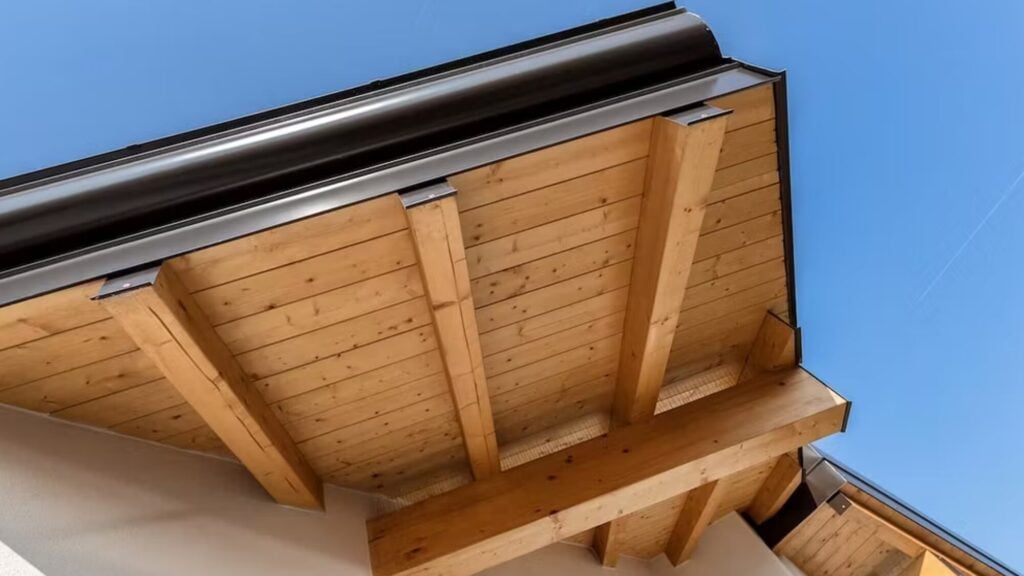
A roof overhang is the portion of the roof that extends beyond the exterior walls of your home. This extension creates a protective barrier that helps shield the home’s siding, windows, doors, and foundation from direct exposure to rain and sunlight.
The underside of the overhang is commonly known as the eave. Together, the roof overhang and eaves serve both functional and aesthetic purposes.
A properly planned roof overhang design not only complements the appearance of your home but also contributes to the durability and longevity of your roofing system.
Understanding the Parts of Roof Overhangs
Before discussing their benefits, it’s helpful to understand the basic components that make up a roof overhang.
Eaves
Eaves are the horizontal edges of the roof that extend beyond the walls. They often house soffit panels and ventilation openings that allow air to circulate through the attic.
Soffits
The soffit is the finished surface beneath the eaves. In many homes, soffits include ventilation openings that help regulate attic temperature and moisture levels.
Fascia
The fascia is the vertical finishing board attached to the ends of the roof rafters. Gutters are typically mounted to the fascia, making it an important structural component of the roofing system.
Gutters
Although gutters are technically separate from the overhang, they work together to collect and direct rainwater away from the home’s foundation.
Each of these components contributes to the effectiveness of your roof overhang design.
Why Roof Overhangs Are Important
Some homeowners view roof overhangs as decorative features, but they provide numerous practical advantages that protect both the roof and the home itself.
Protection from Rain
One of the primary purposes of a roof overhang is keeping rainwater away from exterior walls.
Without adequate overhangs, rain can run directly down siding, increasing the likelihood of:
- Water stains
- Wood rot
- Mold growth
- Paint deterioration
- Masonry damage
By directing water farther away from the home’s exterior, roof overhangs help preserve building materials for many years.
Reduced Foundation Problems
Water that falls close to the home’s foundation can contribute to erosion and moisture intrusion.
Proper roof overhang design, combined with an effective gutter system, helps move water safely away from the foundation.
This reduces the risk of:
- Basement leaks
- Foundation settling
- Soil erosion
- Standing water around the home
Improved Window Protection
Windows are among the most vulnerable parts of a home’s exterior.
Roof overhangs help shield windows from:
- Heavy rain
- Direct sunlight
- Wind-driven moisture
- UV damage
This protection may reduce maintenance requirements while helping windows last longer.
Energy Efficiency Benefits of Roof Overhangs
Roof overhangs do more than protect against weather—they can also improve your home’s energy efficiency.
Natural Shade During Summer
A properly sized overhang provides shade for windows and exterior walls during the hottest months.
This reduces solar heat gain and helps maintain cooler indoor temperatures.
As a result:
- Air conditioners work less
- Energy bills decrease
- Indoor comfort improves
Increased Winter Sunlight
In many home designs, roof overhangs are carefully sized to allow lower winter sunlight to enter through windows while blocking the higher summer sun.
This passive solar approach can improve energy efficiency throughout the year.
A thoughtful roof overhang design supports both comfort and lower utility costs.
Protecting Your Roof from Moisture
Moisture remains one of the leading causes of roofing problems.
Roof overhangs help reduce moisture exposure by limiting the amount of rainwater that reaches vulnerable areas of the home.
This includes protection for:
- Roof decking
- Exterior walls
- Window frames
- Entry doors
- Porch ceilings
- Siding materials
Reducing moisture exposure helps minimize the risk of mold, rot, and structural deterioration.
Roof Overhangs Help Preserve Siding
Your home’s siding is constantly exposed to weather.
Without sufficient roof overhangs, siding absorbs significantly more rainwater.
Over time, this can lead to:
- Warping
- Fading
- Peeling paint
- Mold
- Cracks
- Premature replacement
Whether your home features vinyl, fiber cement, brick, or wood siding, a properly designed roof overhang helps extend its lifespan.
Enhancing Curb Appeal
Roof overhangs contribute to the architectural style of a home.
Different overhang lengths create different visual effects.
For example:
Wide Overhangs
Often found on Craftsman and ranch-style homes, wider overhangs create strong horizontal lines and provide generous shade.
Moderate Overhangs
Many traditional homes feature moderate overhangs that balance protection with aesthetics.
Minimal Overhangs
Modern architectural styles sometimes feature shorter overhangs for a sleek appearance.
However, these designs often require additional planning to ensure adequate moisture protection.
Choosing the right roof overhang design allows homeowners to achieve both visual appeal and practical performance.
Common Roof Overhang Styles
Not every roof overhang looks the same.
Several popular styles are commonly used in residential construction.
Open Eaves
Open eaves expose the rafters beneath the roof.
Advantages include:
- Rustic appearance
- Traditional craftsmanship
- Decorative architectural detail
However, they typically require additional maintenance.
Closed Eaves
Closed eaves use soffit panels to cover the underside of the overhang.
Benefits include:
- Cleaner appearance
- Better pest protection
- Reduced maintenance
- Improved ventilation options
Many modern homes use closed eaves because they provide both durability and a finished appearance.
Boxed Eaves
Boxed eaves fully enclose the roof overhang, creating a polished architectural look.
These systems often integrate ventilation and lighting while offering excellent weather protection.
Roof Overhangs and Attic Ventilation
Many homeowners don’t realize that roof overhangs play an important role in attic ventilation.
Soffit vents installed beneath the eaves allow fresh outdoor air to enter the attic.
This airflow helps:
- Reduce attic temperatures
- Remove excess moisture
- Prevent condensation
- Improve insulation performance
- Extend roof lifespan
Without adequate intake ventilation, even high-quality roofing materials may experience unnecessary stress.
A properly planned roof overhang design supports balanced attic ventilation, which is essential for maintaining a healthy roofing system.
Factors That Influence Roof Overhang Design
Several considerations affect how roof overhangs are designed.
These include:
Climate
Homes in areas with heavy rainfall often benefit from wider overhangs that provide greater protection.
Roof Pitch
Steeper roofs may require different overhang dimensions than low-slope roofs.
Architectural Style
The home’s design should complement the size and appearance of the overhang.
Local Building Codes
Building codes may establish minimum or maximum overhang requirements depending on the region.
Drainage Systems
The overhang should work together with gutters and downspouts to direct water safely away from the home.
By considering these factors, homeowners can create a roof overhang design that enhances both protection and curb appeal.
Why Professional Roof Planning Matters
Designing an effective roofing system involves much more than selecting shingles.
Roof overhangs, ventilation, drainage, flashing, and structural support all work together to protect your investment.
At FM Roofing, we help homeowners evaluate every aspect of their roofing system to ensure lasting performance and reliable protection against the elements.
Proper planning today can prevent costly repairs tomorrow while improving the comfort, efficiency, and appearance of your home.
Choosing the Right Roof Overhang Size
One of the most important decisions in any roofing project is determining the appropriate size of the roof overhang. While there is no universal measurement that works for every home, the ideal overhang depends on several factors, including climate, roof pitch, architectural style, and local building codes.
A properly planned roof overhang design balances appearance with functionality. An overhang that is too short may not provide enough protection from rain and sunlight, while one that is excessively long can increase construction costs and require additional structural support.
Professional roofing contractors evaluate each home’s unique characteristics before recommending an overhang size that provides optimal performance.
How Climate Affects Roof Overhang Design
Climate is one of the biggest influences on roof overhang planning.
Areas with Heavy Rainfall
Homes located in regions that receive frequent rain often benefit from larger roof overhangs. Wider overhangs help prevent water from running directly down exterior walls and around windows and doors.
Benefits include:
- Reduced siding deterioration
- Better protection for entryways
- Less moisture around the foundation
- Improved drainage
Sunny Climates
In warmer regions, roof overhangs provide valuable shade that reduces heat entering the home.
A well-designed roof overhang design helps block direct sunlight from striking windows during the hottest parts of the day, improving indoor comfort and reducing cooling costs.
Snowy Regions
In areas with significant snowfall, roof overhangs must be designed to safely support snow loads while directing melting snow away from exterior walls.
Proper planning also helps reduce the likelihood of ice buildup around roof edges.
Roof Pitch and Overhang Performance
Roof pitch plays an important role in determining how effectively an overhang sheds water.
Steep Roofs
Steeper roofs allow rainwater to flow off quickly.
Combined with an appropriately sized overhang, they provide excellent protection against water intrusion.
Low-Slope Roofs
Homes with lower roof pitches may require additional attention to drainage and flashing details.
In these cases, overhangs work together with gutters to safely channel water away from the home.
Regardless of roof pitch, proper installation is essential for maximizing the benefits of your roof overhang design.
Materials Commonly Used for Soffits and Fascia
The materials selected for soffits and fascia affect both durability and maintenance requirements.
Aluminum
Aluminum is lightweight, durable, and resistant to rust.
Advantages include:
- Low maintenance
- Moisture resistance
- Long lifespan
- Excellent ventilation options
Vinyl
Vinyl remains a popular choice because it is affordable and easy to maintain.
Benefits include:
- Doesn’t require painting
- Resistant to insects
- Available in various colors
- Budget-friendly
Wood
Wood offers timeless beauty and complements many traditional home styles.
However, it requires routine maintenance to protect against:
- Moisture
- Rot
- Insects
- Weathering
Fiber Cement
Fiber cement provides exceptional durability while resisting fire, insects, and moisture.
It also offers a clean appearance that works well with many architectural styles.
Choosing quality materials enhances the performance and longevity of your roof overhang design.
How Roof Overhangs Protect Exterior Doors
Entry doors experience constant exposure to weather.
Without adequate roof coverage, rainwater can collect around door frames, increasing the risk of:
- Wood rot
- Paint damage
- Water intrusion
- Swelling
- Mold growth
Roof overhangs help shield these vulnerable areas, reducing maintenance and extending the lifespan of exterior doors.
Protecting Outdoor Living Spaces
Many homeowners invest in outdoor living areas such as:
- Patios
- Decks
- Porches
- Outdoor kitchens
Roof overhangs provide valuable protection for these spaces by creating shade and reducing exposure to rain.
Benefits include:
- Greater comfort during hot weather
- Protection for outdoor furniture
- Longer-lasting decking materials
- Reduced UV damage
A thoughtfully planned roof overhang design can make outdoor spaces more enjoyable throughout the year.
Roof Overhangs Help Prevent Water Intrusion
Water intrusion often begins in areas where roofing components meet walls, windows, or foundations.
Roof overhangs reduce direct exposure to rain, helping protect these vulnerable transitions.
When combined with properly installed flashing and gutters, overhangs contribute to a more effective moisture management system.
This reduces the likelihood of costly issues such as:
- Interior leaks
- Mold growth
- Drywall damage
- Structural deterioration
The Importance of Gutters
Roof overhangs and gutters work together to manage rainwater effectively.
Without gutters, water falling from the roof can:
- Splash onto siding
- Erode landscaping
- Damage foundations
- Create muddy areas around the home
Properly installed gutters collect water from the roof overhang and direct it safely away from the property.
FM Roofing recommends inspecting gutters regularly to ensure they remain free of debris and function properly.
Routine Maintenance for Roof Overhangs
Like every part of your roofing system, roof overhangs require periodic maintenance.
Homeowners should inspect them at least twice each year and after major storms.
Maintenance tasks include:
Clean Gutters
Leaves, twigs, and debris can block water flow, allowing moisture to overflow onto fascia boards and siding.
Inspect Soffit Vents
Ensure ventilation openings remain unobstructed by dirt, nests, or insulation.
Proper airflow supports attic health and roofing performance.
Look for Paint Damage
Peeling or blistering paint may indicate moisture problems that require further investigation.
Check for Pest Activity
Birds, squirrels, insects, and rodents sometimes enter homes through damaged soffits or fascia.
Prompt repairs help prevent infestations.
Examine Fascia Boards
Look for signs of:
- Cracking
- Warping
- Rot
- Loose fasteners
- Water stains
Routine maintenance helps preserve your roof overhang design while preventing larger roofing problems.
Common Roof Overhang Problems
Even well-built overhangs can develop issues over time.
Some of the most common problems include:
Rotting Wood
Persistent moisture exposure may cause wooden fascia or soffits to deteriorate.
Sagging
Structural damage or prolonged water exposure can lead to sagging overhangs that require repair.
Pest Damage
Animals often exploit small openings beneath eaves to enter attics.
Blocked Ventilation
Dirty or obstructed soffit vents reduce attic airflow and increase heat and moisture buildup.
Loose Gutters
Damaged fascia boards may no longer securely support gutters.
Regular inspections allow these issues to be corrected before they become more expensive repairs.
Roof Overhangs and Home Value
Exterior appearance plays a significant role in a home’s market value.
Well-maintained roof overhangs contribute to:
- Improved curb appeal
- Better structural protection
- Reduced maintenance history
- Increased buyer confidence
Prospective buyers often appreciate homes that demonstrate thoughtful design and consistent upkeep.
An attractive and functional roof overhang design can enhance the overall impression of your property.
When to Upgrade Roof Overhang Components
Roof overhang components don’t always need complete replacement.
However, upgrades may be appropriate when:
- Replacing the roof
- Installing new gutters
- Renovating the home’s exterior
- Repairing storm damage
- Addressing chronic moisture problems
Combining these projects often improves efficiency and helps ensure all roofing components work together effectively.
Partner with FM Roofing for Expert Roofing Solutions
At FM Roofing, we know that lasting roof performance depends on every component working together. Roof overhangs, soffits, fascia, gutters, ventilation, and roofing materials all play essential roles in protecting your home.
Whether you’re planning a new roof installation or evaluating an existing roofing system, our experienced team can help identify opportunities to improve durability, energy efficiency, and long-term performance.
We take pride in providing homeowners with quality workmanship, dependable service, and roofing solutions designed to stand the test of time.
Roof Overhang Design Considerations for New Construction
If you’re building a new home, the planning stage is the ideal time to consider how your roof overhangs will contribute to the home’s long-term performance. While aesthetic preferences often influence architectural decisions, functionality should never be overlooked.
An effective roof overhang design takes into account:
- The home’s orientation
- Local weather conditions
- Roof pitch
- Exterior materials
- Window placement
- Ventilation requirements
- Gutter system compatibility
By carefully planning these elements, homeowners can enjoy a roofing system that not only looks attractive but also delivers reliable protection for decades.
Roof Overhangs Support Better Energy Efficiency
Many homeowners focus on insulation and windows when looking to improve energy efficiency, but roof overhangs also play an important role.
A properly sized overhang can reduce solar heat gain by shading windows and walls during the hottest part of the day. This helps maintain a more comfortable indoor temperature and reduces the workload on your air conditioning system.
During cooler months, depending on your home’s orientation, lower-angle sunlight may still enter through windows, providing natural warmth while maintaining energy efficiency.
When paired with proper attic insulation and ventilation, a thoughtful roof overhang design becomes an important part of an energy-efficient home.
Protecting Your Landscaping
Roof overhangs don’t just protect your house—they also help preserve your landscaping.
Without adequate overhangs and gutters, rainwater falling directly from the roof can:
- Wash away mulch
- Damage flower beds
- Erode soil
- Expose plant roots
- Create muddy areas around walkways
Directing water into a properly functioning gutter system helps maintain healthier landscaping while reducing maintenance around your home’s foundation.
Improving Outdoor Comfort
Covered outdoor spaces have become increasingly popular among homeowners.
Roof overhangs provide shade and shelter that make outdoor areas more enjoyable throughout the year.
Whether you’re relaxing on a front porch, entertaining guests on a patio, or enjoying a backyard deck, roof overhangs help create a more comfortable environment by reducing direct sunlight and offering protection from light rain.
A well-planned roof overhang design allows homeowners to make better use of their outdoor living spaces while protecting furniture and exterior finishes.
Signs Your Roof Overhang Needs Attention
Although roof overhangs are built to last, they should still be inspected regularly as part of your home’s maintenance routine.
Watch for these warning signs:
Peeling or Bubbling Paint
Paint damage often indicates prolonged moisture exposure.
Water Stains
Dark stains on soffits or fascia boards may signal leaking gutters or roofing issues.
Soft or Rotted Wood
Wood that feels soft or shows signs of decay should be repaired promptly to prevent further structural damage.
Sagging Components
Sagging fascia or soffits may indicate water damage or weakened structural supports.
Animal Activity
Birds, squirrels, insects, and other pests often enter attics through damaged eaves or soffits.
Addressing these issues early helps protect both your roofing system and your home’s interior.
Roof Overhang Repairs vs. Replacement
Not every damaged overhang requires a complete replacement.
Minor issues such as loose fascia boards, isolated rot, or damaged soffit panels can often be repaired without replacing the entire structure.
However, replacement may be recommended if there is:
- Extensive water damage
- Severe wood rot
- Structural deterioration
- Widespread pest damage
- Significant storm damage
A professional inspection can determine the most cost-effective solution while ensuring your roofing system continues to perform properly.
Why Professional Installation Matters
Proper roof overhang construction requires careful planning and precise installation.
Experienced roofing professionals understand how overhangs interact with:
- Roof framing
- Flashing
- Ventilation systems
- Gutters
- Drainage
- Roofing materials
Improper installation can result in poor water management, ventilation problems, and premature wear on roofing components.
Working with experienced contractors helps ensure your roof overhang design provides maximum protection and long-term value.
The Importance of Routine Roof Inspections
Even if your roof appears to be in good condition, routine inspections are one of the best ways to identify small issues before they become expensive repairs.
Professional roof inspections typically include evaluating:
- Roofing materials
- Flashing
- Gutters
- Fascia
- Soffits
- Roof overhangs
- Ventilation
- Signs of moisture intrusion
Regular inspections help homeowners protect their investment while extending the life of the entire roofing system.
Why Homeowners Trust FM Roofing
At FM Roofing, we believe every roofing component contributes to the safety, efficiency, and durability of your home. While shingles often receive the most attention, roof overhangs and eaves are equally important in protecting your property from moisture, sunlight, and everyday weather conditions.
Our experienced team takes a comprehensive approach to roofing by evaluating every part of the system—not just the surface materials. From new roof installations and replacements to inspections and repairs, we focus on delivering quality craftsmanship and dependable service that homeowners can trust.
Whether you’re upgrading an existing roof or planning a new construction project, FM Roofing is committed to helping you choose solutions that provide lasting performance and enhance your home’s overall value.
Conclusion
Roof overhangs and eaves may seem like simple architectural features, but they play a vital role in protecting your home from the elements. From directing rainwater away from siding and foundations to improving ventilation, reducing energy costs, and enhancing curb appeal, these design elements contribute significantly to the long-term performance of your roofing system.
A well-planned roof overhang design helps preserve roofing materials, supports proper attic airflow, minimizes moisture-related damage, and creates a more comfortable living environment throughout every season. When combined with quality roofing materials, effective gutters, and regular maintenance, roof overhangs become an essential part of a durable and efficient home.
If you’re considering a roof replacement, building a new home, or simply looking for ways to improve your property’s protection, don’t overlook the importance of roof overhangs and eaves.