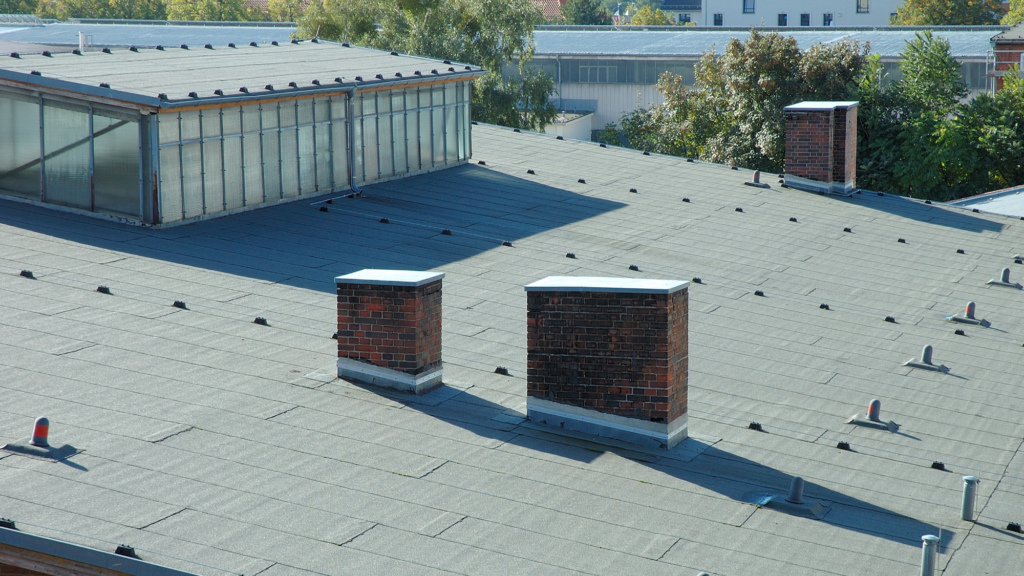
A commercial roof protects more than the building itself. In a multi-tenant property, the roof protects businesses, employees, customers, equipment, inventory, interior finishes, and valuable personal property belonging to multiple occupants. Because so many people and businesses depend on the same roofing system, regular inspections are an important part of responsible property maintenance.
A multi tenant roof inspection provides an opportunity to identify developing roofing problems before they become major leaks or expensive structural concerns. While a homeowner may be able to monitor a residential roof relatively easily, a multi-tenant building often has a larger and more complicated roofing system. Multiple roof sections, HVAC equipment, vents, drains, skylights, penetrations, walkways, and other components can make routine inspections especially important.
Although this topic focuses on commercial buildings, homeowners can benefit from understanding the principles behind regular roof inspections. Large homes, apartment properties, detached structures, and other properties with multiple occupants can experience many of the same roofing challenges.
Understanding the Importance of Regular Commercial Roof Inspections
A commercial roof is exposed to weather every day. Sunlight, rain, wind, temperature changes, debris, foot traffic, mechanical equipment, and seasonal conditions can gradually affect roofing materials.
Problems often begin small.
A minor seam separation may eventually become a leak. A damaged flashing detail can allow moisture to enter the roofing assembly. A clogged drain can contribute to standing water. A loose fastener can create an opening that becomes increasingly vulnerable during storms.
Regular inspections allow these issues to be identified earlier.
A multi tenant roof inspection is especially valuable because a roofing problem can affect more than one tenant. Water entering through one section of the roof may eventually damage ceilings, walls, insulation, electrical components, merchandise, equipment, or office areas.
Recommended Inspection Frequency
There is no single inspection schedule that applies to every multi-tenant building. The appropriate frequency depends on the roof’s age, construction, condition, climate, previous repair history, and exposure to severe weather.
As a general maintenance approach, many commercial property owners benefit from having the roof professionally inspected at least twice a year.
A common schedule includes:
- A spring inspection
- A fall inspection
Additional inspections are appropriate after significant storms, major repairs, or unusual events.
A newer roof in excellent condition may require a different maintenance approach than an older roof with a history of leaks.
Spring Roof Inspections
Spring is an excellent time for a multi tenant roof inspection because winter conditions may have caused damage that is not immediately visible from inside the building.
Spring inspections can identify:
- Damaged flashing
- Loose roofing components
- Punctures
- Drainage problems
- Debris accumulation
- Winter-related damage
- Deteriorated sealants
- New leaks
Addressing these issues before the warmer and wetter months can help protect the building.
Fall Roof Inspections
A fall inspection can help prepare the roof for winter weather.
During a fall multi tenant roof inspection, a roofing professional can evaluate the roof for developing problems before cold temperatures and winter storms arrive.
The inspection may focus on:
- Drainage
- Roof seams
- Flashing
- Membrane condition
- Fasteners
- Roof edges
- Penetrations
- Previous repair areas
Preparing the roof before winter can reduce the likelihood of unexpected problems.
Inspections After Severe Weather
Twice-yearly inspections may not be enough when a building experiences severe weather.
A professional multi tenant roof inspection may be appropriate after:
- High winds
- Hail
- Heavy rainfall
- Severe thunderstorms
- Tornado activity
- Significant snowfall
- Ice events
Storm damage is not always obvious from the ground.
A professional inspection can identify issues that may otherwise remain unnoticed.
Older Roofs May Need More Attention
Roof age is an important factor when establishing an inspection schedule.
As roofing materials age, they may become more vulnerable to:
- Cracking
- Shrinking
- Splitting
- Surface deterioration
- Loose components
- Sealant failure
- Flashing deterioration
- Water intrusion
An older roof may benefit from more frequent monitoring than a recently installed system.
Roof Condition Matters More Than Age Alone
Age should not be the only factor used to determine inspection frequency.
Two roofs of the same age may be in completely different conditions.
One may have received consistent maintenance and remain in good condition, while another may have experienced repeated leaks, poor drainage, storm damage, or inadequate repairs.
A professional multi tenant roof inspection provides information about actual roof condition rather than relying solely on age.
Complex Roofs Require Careful Inspection
Multi-tenant buildings often have complicated roof layouts.
A roof may contain:
- Multiple elevations
- HVAC equipment
- Pipes
- Vents
- Skylights
- Drains
- Walkways
- Rooftop units
- Solar equipment
- Mechanical penetrations
Each additional feature creates another area that should be evaluated during routine inspections.
Roof Penetrations
Roof penetrations are common sources of water intrusion.
Examples include:
- Plumbing vents
- HVAC penetrations
- Electrical conduits
- Exhaust systems
- Skylights
- Antennas
- Mechanical equipment
During a multi tenant roof inspection, these areas should receive careful attention.
The roofing material itself may remain in good condition while a penetration flashing system begins to deteriorate.
Flashing Inspection
Flashing directs water away from vulnerable areas.
Flashing is commonly found around:
- Roof edges
- Walls
- Curbs
- Vents
- Skylights
- HVAC units
- Transitions
Damaged or deteriorated flashing can allow water into the roofing assembly.
Regular inspection can help identify flashing problems before they result in interior damage.
Drainage Inspection
Commercial roofs depend heavily on proper drainage.
Water should flow toward:
- Drains
- Scuppers
- Gutters
- Downspouts
A multi tenant roof inspection should include an evaluation of drainage components.
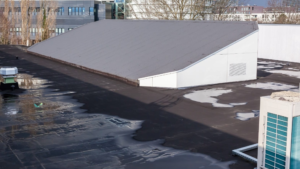
Blocked drains can cause water to accumulate on the roof. Standing water can place additional stress on roofing materials and may contribute to deterioration.
Ponding Water
Ponding water refers to water that remains on the roof after precipitation rather than draining properly.
Persistent ponding can be caused by:
- Inadequate slope
- Structural settlement
- Blocked drains
- Damaged insulation
- Poor drainage design
If ponding is discovered during a multi tenant roof inspection, the underlying cause should be evaluated rather than simply removing the water.
Roof Membrane Condition
Many commercial roofs use membrane systems.
Common commercial membrane types include:
- TPO
- PVC
- EPDM
- Modified bitumen
Each material has different characteristics and maintenance considerations.
During an inspection, the contractor can look for signs of deterioration, punctures, seam problems, and other conditions affecting membrane performance.
Seams and Joints
Roof seams deserve particular attention.
Depending on the roofing system, seams may be:
- Heat-welded
- Mechanically fastened
- Adhered
- Sealed
A weak seam can become a potential entry point for water.
Regular inspections can identify developing seam issues before they become significant leaks.
Roof Edge Conditions
Roof edges experience exposure to wind and weather.
A multi tenant roof inspection should include roof-edge components such as:
- Edge metal
- Coping
- Fascia
- Gravel stops
- Termination bars
Loose or damaged edge components can affect both waterproofing and wind performance.
HVAC Equipment and Roofing
Multi-tenant buildings often have significant mechanical equipment installed on the roof.
HVAC units may require regular service, which means technicians may frequently walk across roofing materials.
Foot traffic can cause:
- Punctures
- Surface damage
- Membrane wear
- Damaged flashing
Designated walk pads can help protect areas that receive regular foot traffic.
Tenant Activity and Roof Damage
Tenants may not always recognize how their activities can affect the roof.
For example, maintenance workers may access rooftop equipment without realizing that certain areas are vulnerable to damage.
Property managers should establish clear procedures for rooftop access.
A multi tenant roof inspection can identify areas where repeated traffic or tenant-related activity may be contributing to roofing deterioration.
Interior Inspections Matter Too
A roof inspection should not always stop at the exterior.
Interior areas can provide important clues about roof performance.
Signs of potential water intrusion may include:
- Ceiling stains
- Water marks
- Damp insulation
- Peeling paint
- Musty odors
- Damaged drywall
- Discoloration
Tenant reports should be taken seriously, even if an exterior inspection does not immediately reveal the source.
Tenant Communication
Communication between tenants and property managers can improve roof maintenance.
Tenants should know how to report:
- Ceiling leaks
- Water stains
- Dripping
- Damp areas
- Unusual odors
- Visible roof-related damage
Prompt reporting can help roofing professionals investigate problems before they become more extensive.
Documentation From Roof Inspections
A professional multi tenant roof inspection should produce useful documentation.
Inspection records may include:
- Inspection date
- Roof condition
- Areas of concern
- Photographs
- Recommended repairs
- Maintenance recommendations
- Estimated urgency
- Notes about previous repairs
Maintaining these records helps property owners track changes over time.
Categorizing Roofing Problems
Not every roof issue requires immediate replacement.
Inspection findings can generally be prioritized according to urgency.
For example:
Immediate Concerns
These may include active leaks, major membrane damage, exposed structural components, or severe drainage problems.
Short-Term Repairs
These may include deteriorating flashing, damaged sealants, or isolated membrane damage.
Routine Maintenance
These may include debris removal, drain cleaning, and minor surface maintenance.
Long-Term Planning
These may include aging materials or systems approaching the end of their expected service life.
This approach allows property owners to allocate maintenance budgets more effectively.
Preventive Maintenance
Preventive maintenance is one of the primary reasons to establish a consistent inspection schedule.
Instead of waiting for a leak to appear, property owners can identify potential weaknesses early.
Preventive maintenance may include:
- Cleaning drains
- Repairing flashing
- Resealing appropriate areas
- Repairing seams
- Removing debris
- Addressing minor damage
These relatively small tasks can help protect a much larger roofing investment.
The Financial Benefits of Routine Inspections
A multi tenant roof inspection represents a maintenance expense, but it can help reduce the risk of larger unexpected costs.
Roof leaks can lead to damage involving:
- Drywall
- Insulation
- Flooring
- Electrical equipment
- Inventory
- Furniture
- Ceilings
- Business equipment
Preventing or limiting water intrusion can protect both the building and its occupants.
Protecting Tenant Businesses
For a multi-tenant property, roofing problems can affect business operations.
A leak may force a tenant to:
- Move equipment
- Protect inventory
- Close an area
- Relocate employees
- Pause operations
A proactive inspection program can help reduce these disruptions.
Roofing Inspection and Insurance
Roof inspection documentation can also be useful for property records and insurance-related matters.
Photographs and inspection reports can establish the condition of the roof at a particular point in time.
After severe weather, documentation may help property owners understand what damage occurred and when it was identified.
Insurance policies vary, so property owners should consult their insurance professionals regarding specific coverage requirements.
Roofing Inspection and Warranty Requirements
Roofing manufacturers may have maintenance requirements associated with their warranties.
Property owners should review their roofing documentation to understand:
- Inspection requirements
- Maintenance requirements
- Approved repair procedures
- Warranty limitations
A regular inspection program can help property owners remain organized and identify maintenance needs.
Seasonal Maintenance
Seasonal maintenance can be incorporated into the inspection schedule.
Spring maintenance may focus on winter-related damage and drainage.
Summer inspections may focus on heat exposure, membrane condition, and rooftop equipment.
Fall maintenance may focus on debris, drainage, flashing, and preparation for winter.
Winter inspections may be necessary when severe weather or emergency conditions occur.
Roof Inspection Frequency for New Roofs
A new commercial roof should still be inspected regularly.
A newer roof may not require the same level of corrective work as an older roof, but inspections help establish a baseline condition.
Early inspections can also identify installation-related issues before they become more complicated.
Roof Inspection Frequency for Aging Roofs
As a roof approaches the later stages of its service life, more frequent inspections may be appropriate.
An aging roof may benefit from:
- More detailed inspections
- Moisture monitoring
- Repair planning
- Budget forecasting
- Replacement planning
This allows property owners to prepare financially rather than waiting for a major failure.
Moisture Detection
Some roofing problems cannot be identified through a basic visual inspection alone.
Moisture may become trapped beneath roofing materials or insulation.
Depending on the roof system and circumstances, specialized moisture detection techniques may be considered.
These methods can help identify areas that may require further investigation.
Thermal Considerations
Some commercial roofing assessments may use specialized technology to identify temperature differences associated with moisture or insulation conditions.
Such tools can supplement, rather than necessarily replace, a thorough professional inspection.
The appropriate inspection method depends on the roofing system and suspected problem.
Roof Replacement Planning
Routine inspections can help property owners recognize when replacement is becoming a realistic possibility.
Instead of discovering that the roof requires immediate replacement after a major leak, owners can use inspection records to plan ahead.
Replacement planning can include:
- Budgeting
- Material selection
- Contractor evaluation
- Scheduling
- Tenant communication
- Equipment coordination
Retrofitting and Roof Maintenance
Some aging roofs may be candidates for restoration or commercial roof retrofitting rather than complete replacement.
A retrofit can sometimes extend the useful life of an existing roofing system when its underlying structure remains suitable.
However, commercial roof retrofitting is not appropriate for every roof.
Extensive structural damage, widespread moisture, or severe deterioration may make replacement a better option.
Roof Retrofitting Evaluation
Before considering commercial roof retrofitting, a contractor should evaluate:
- Roof deck condition
- Existing membrane
- Moisture levels
- Drainage
- Structural capacity
- Insulation
- Existing repairs
- Manufacturer requirements
This assessment helps determine whether a retrofit is practical.
Budgeting for Future Roofing Work
Inspection reports can help property owners develop long-term maintenance budgets.
Instead of treating every roofing expense as an emergency, owners can anticipate likely future needs.
A report may identify:
- Immediate repairs
- Recommended maintenance
- Areas to monitor
- Potential future replacement
- Expected project priorities
This approach can make roofing expenses more predictable.
The Role of Professional Roofing Contractors
Professional roofing contractors bring experience in identifying problems that may not be obvious to building occupants.
They understand how roofing materials, flashing, drainage, insulation, and penetrations work together.
A professional multi tenant roof inspection can provide a more complete assessment than simply looking for visible leaks.
Why FM Roofing Is a Valuable Partner
FM Roofing understands that commercial roofing requires a proactive approach.
Our team can inspect roofing systems, identify potential problem areas, document findings, and help property owners develop practical maintenance strategies.
We recognize that every building is different. Roof age, construction, materials, weather exposure, tenant activity, and previous repairs can all influence the appropriate inspection frequency.
Our goal is to help property owners protect their roofing investment while reducing the likelihood of unexpected roofing emergencies.
When an aging roof requires more than routine maintenance, FM Roofing can also evaluate repair, restoration, replacement, or commercial roof retrofitting options based on the condition of the existing system.
Creating a Consistent Inspection Schedule
A successful roofing maintenance program should have a consistent schedule rather than relying on memory.
Property managers can establish recurring inspections based on:
- Roof age
- Roof type
- Weather exposure
- Previous problems
- Manufacturer recommendations
- Building use
At minimum, many property owners benefit from planning professional inspections in the spring and fall, with additional inspections after major storms.
Final Thoughts
A commercial roof serves as a critical protective barrier for everyone inside a multi-tenant building. Because one roofing system can protect several businesses and occupants, regular maintenance should be treated as an important part of property management.
A multi tenant roof inspection can identify developing problems involving drainage, flashing, seams, penetrations, roof membranes, fasteners, and other components before they become larger concerns.
For many buildings, twice-yearly inspections provide a useful foundation for preventive maintenance, with additional inspections following severe weather or significant roofing events. Older or problematic roofs may require more frequent attention.
Regular inspections can also help property owners plan financially. Instead of waiting for an unexpected leak or major failure, owners can use inspection reports to prioritize repairs, schedule maintenance, and prepare for eventual roof replacement.
When an existing roof is still structurally sound, commercial roof retrofitting may sometimes provide another option for extending its service life. However, commercial roof retrofitting should only be considered after a professional evaluation confirms that the existing roof is suitable for the proposed improvements.
A proactive roofing strategy protects the building, supports tenant businesses, reduces unexpected disruptions, and helps preserve the value of the property for years to come.