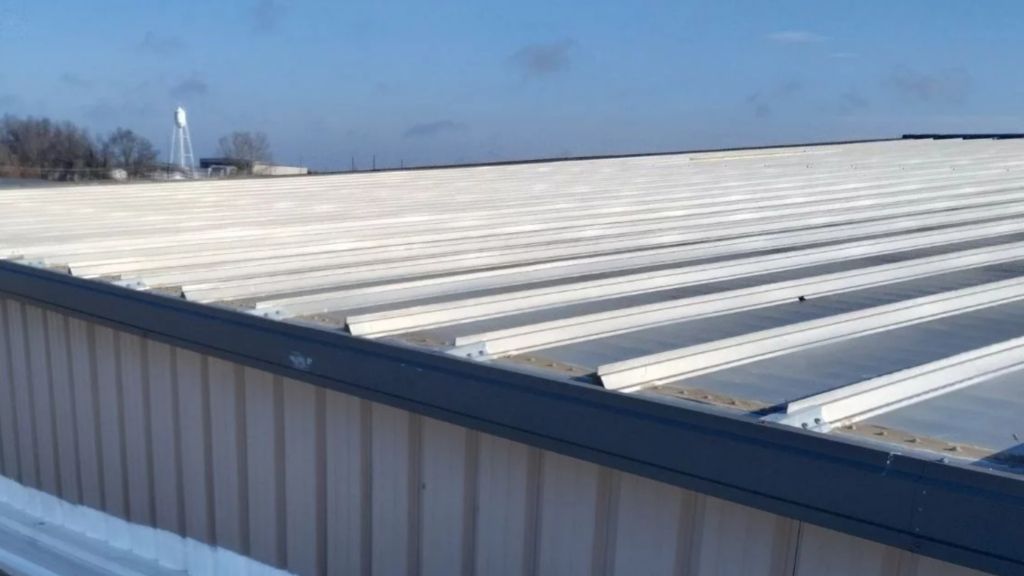
A roof is one of the most important components of any building. It protects the structure from rain, wind, hail, snow, sunlight, and temperature changes while helping maintain a safe and comfortable interior environment. When a commercial roof begins showing signs of age or deterioration, property owners eventually face an important decision: should they invest in commercial roof retrofitting, or is a complete roof replacement the better option?
Although this question is primarily associated with commercial properties, homeowners can also benefit from understanding the difference. Many residential properties include detached garages, workshops, apartment buildings, large outbuildings, and low-slope roof sections that require roofing strategies similar to commercial structures. Understanding the costs and benefits of different roofing approaches can help homeowners make better decisions when their own roofing system reaches the end of its useful life.
Commercial roof retrofitting can provide a way to improve the performance of an existing roofing system without completely removing every component. Depending on the roof’s condition, a retrofit may involve adding insulation, improving drainage, installing a new membrane, reinforcing specific areas, or applying another roofing system over the existing assembly.
A complete replacement, on the other hand, generally involves removing the existing roofing materials, inspecting the roof deck, correcting underlying problems, and installing an entirely new roofing assembly.
At FM Roofing, we understand that roofing decisions involve more than comparing two prices. A lower initial cost does not always mean a better long-term investment, and a complete replacement is not automatically necessary for every aging roof. The right choice depends on the existing roof’s condition, structural integrity, drainage, insulation, moisture levels, expected service life, and the property owner’s long-term goals.
This guide explores commercial roof retrofitting versus full replacement, the costs involved, advantages and disadvantages, warning signs, energy-efficiency considerations, maintenance requirements, and how professional evaluation can help you choose the right solution.
What Is Commercial Roof Retrofitting?
Commercial roof retrofitting involves improving or upgrading an existing roofing system rather than completely replacing it.
A retrofit may include:
- Adding insulation
- Improving drainage
- Installing a new roofing membrane
- Reinforcing weak areas
- Applying a restoration coating
- Upgrading flashing
- Improving roof-edge details
- Adding energy-efficient roofing components
The exact approach depends on the condition and construction of the existing roof.
The objective is generally to extend the roof’s useful life and improve its performance while avoiding the cost and disruption of a complete tear-off when conditions allow.
What Is a Full Roof Replacement?
A full roof replacement involves removing existing roofing materials and installing a new roofing system.
The process may include:
- Removing the existing roofing.
- Inspecting the roof deck.
- Replacing damaged decking.
- Addressing structural concerns.
- Installing insulation.
- Installing underlayment or a new membrane.
- Installing flashing.
- Completing drainage and edge details.
- Inspecting the finished roof.
Replacement provides an opportunity to address hidden problems that may not be accessible during a retrofit.
Why Cost Should Not Be the Only Consideration
When comparing commercial roof retrofitting and replacement, homeowners and property owners often begin by looking at the initial price.
Cost is important, but it is only one part of the decision.
Other factors include:
- Remaining roof life
- Existing moisture damage
- Structural condition
- Insulation performance
- Drainage
- Energy efficiency
- Maintenance requirements
- Warranty considerations
- Future replacement costs
A roofing solution that costs less today may require additional repairs sooner.
How Commercial Roof Retrofitting Can Reduce Initial Costs
One of the primary reasons property owners consider commercial roof retrofitting is the potential for lower upfront costs.
If the existing roof assembly is structurally sound, a retrofit may allow the contractor to preserve portions of the existing system.
This can reduce costs associated with:
- Tear-off labor
- Disposal
- Replacement materials
- Roof-deck exposure
- Extended construction time
However, not every roof qualifies for a retrofit.
When Retrofitting May Be Appropriate
Commercial roof retrofitting may be considered when the existing roof:
- Is structurally sound
- Has limited damage
- Does not contain excessive moisture
- Has adequate drainage
- Can support the proposed system
- Has suitable existing materials
- Meets applicable manufacturer requirements
A professional inspection is essential before making this decision.
When Full Replacement May Be Better
A complete replacement may be more appropriate when the roof has:
- Extensive leaks
- Widespread moisture damage
- Deteriorated insulation
- Severe membrane deterioration
- Structural problems
- Significant ponding
- Multiple failed repairs
- Extensive deck damage
In these situations, placing another roofing system over the existing roof may simply conceal problems rather than solve them.
Evaluating the Existing Roof
Before choosing between commercial roof retrofitting and replacement, a contractor should inspect the existing roof thoroughly.
The evaluation may include:
- Visual inspection
- Moisture assessment
- Roof-deck evaluation
- Drainage inspection
- Flashing inspection
- Insulation assessment
- Membrane condition
- Structural review
The goal is to determine whether the existing assembly can safely support another roofing system.
Roof Deck Condition
The roof deck is the foundation beneath the roofing system.
If the deck contains:
- Rot
- Structural deterioration
- Moisture damage
- Weak areas
- Corrosion
those problems need to be addressed.
A retrofit may not be appropriate if significant deck problems are present.
Moisture Assessment
Moisture trapped beneath an existing roofing membrane can create serious problems.
A contractor may use specialized inspection techniques to identify wet insulation or areas of concealed moisture.
If widespread moisture is present, replacement may be more appropriate than commercial roof retrofitting.
Roof Drainage
Drainage is another important factor.
A retrofit will not solve the underlying problem if water consistently accumulates on the roof.
Before retrofitting, contractors should evaluate:
- Drains
- Scuppers
- Gutters
- Downspouts
- Roof slope
- Ponding areas
Drainage improvements may need to be incorporated into the project.
Ponding Water
Persistent ponding can shorten the service life of a roofing system.
Water may remain because of:
- Inadequate slope
- Structural settlement
- Damaged insulation
- Blocked drains
- Poor drainage design
If ponding is severe, a roofing professional may recommend corrective work before considering commercial roof retrofitting.
Insulation Considerations
Insulation plays an important role in roofing performance and building energy efficiency.
An older roof may have:
- Insufficient insulation
- Compressed insulation
- Wet insulation
- Outdated insulation materials
A retrofit may provide an opportunity to improve insulation without completely rebuilding the roof assembly.
Energy Efficiency Benefits
One potential advantage of commercial roof retrofitting is the ability to incorporate modern insulation or reflective roofing materials.
Improved insulation can help reduce heat transfer through the roof.
Reflective roofing materials can also reduce solar heat absorption under appropriate conditions.
For property owners concerned about energy expenses, roofing upgrades may provide an opportunity to improve the overall building envelope.
Retrofitting With a New Membrane
Some retrofit systems involve installing a new roofing membrane over an existing roof assembly.
Common commercial membranes include:
- TPO
- PVC
- EPDM
- Modified bitumen
The correct system depends on the existing roof, building design, climate, manufacturer requirements, and desired performance.
Roof Coating Systems
In certain situations, a roof coating may be considered as part of commercial roof retrofitting.
Roof coatings can provide an additional protective layer over an existing compatible roof surface.
Coating systems may help:
- Protect the membrane
- Seal minor imperfections
- Improve reflectivity
- Extend useful life
However, coatings are not appropriate for every roof and should not be used to cover serious structural or moisture problems.
Comparing Retrofitting Costs
The cost of commercial roof retrofitting varies considerably depending on the existing roof and the scope of work.
Factors affecting cost include:
- Roof size
- Existing membrane condition
- Insulation requirements
- Drainage improvements
- Labor
- Materials
- Accessibility
- Roof complexity
- Required repairs
A professional estimate is necessary to determine the actual cost for a specific building.
Full Replacement Costs
A full replacement generally costs more initially because it involves more labor and materials.
Potential expenses include:
- Tear-off
- Disposal
- New insulation
- New membrane
- Flashing
- Deck repairs
- Drainage work
- Edge metal
- Labor
- Cleanup
However, replacement may provide a longer-term solution when the existing system has reached the end of its useful life.
Comparing Long-Term Value
When analyzing commercial roof retrofitting versus replacement, property owners should consider total lifecycle costs.
For example, a retrofit may cost less initially but require additional maintenance later.
A replacement may cost more upfront but provide a longer expected service period.
The best financial decision depends on the condition of the roof and the property’s long-term plans.
Construction Time
Another advantage of commercial roof retrofitting may be reduced construction time.
Because portions of the existing roof can potentially remain in place, the project may involve less demolition.
A shorter project can reduce disruption to occupants and business operations.
However, project duration varies depending on roof size, weather, complexity, and scope.
Business Disruption
For commercial properties, roofing work can interfere with normal operations.
Potential disruptions include:
- Noise
- Material deliveries
- Equipment
- Restricted roof access
- Temporary closures
A retrofit may sometimes minimize disruption compared with a full tear-off.
Waste and Disposal
A full roof replacement generates roofing waste that must be removed from the property.
A retrofit may reduce waste if portions of the existing system can remain.
This can be an important consideration for property owners interested in reducing construction waste.
Environmental Considerations
Roofing materials require energy and resources to manufacture, transport, install, and dispose of.
Commercial roof retrofitting may reduce the amount of material sent to landfills when an existing roof assembly can safely remain.
However, environmental benefits depend on the specific retrofit method and materials used.
Roof Lifespan
The expected service life of a retrofit depends on:
- Existing roof condition
- Retrofit material
- Installation quality
- Maintenance
- Weather exposure
- Drainage
A retrofit should be viewed as an engineered roofing solution rather than simply a temporary patch.
Maintenance After Retrofitting
Even a newly retrofitted roof requires regular maintenance.
Property owners should schedule inspections to identify:
- Membrane damage
- Drainage problems
- Flashing deterioration
- Loose components
- New ponding
- Seal failures
Regular maintenance helps protect the investment.
Maintenance After Replacement
A completely new roof also requires routine maintenance.
Homeowners and property owners should not assume that a new roof is maintenance-free.
Routine inspections can identify minor issues before they become expensive repairs.
Warranty Considerations
Warranty requirements can influence the decision between commercial roof retrofitting and replacement.
Homeowners should review:
- Material warranties
- Workmanship warranties
- Maintenance requirements
- Approved installation methods
- Warranty exclusions
A retrofit system should be installed according to manufacturer requirements to preserve applicable warranty protection.
Building Code Requirements
Roofing projects must comply with applicable building codes and regulations.
Depending on the location and scope of work, permits and inspections may be required.
A professional roofing contractor can help identify applicable requirements.
Insurance Considerations
Insurance requirements can also influence roofing decisions.
Property owners should check with their insurance provider before making major roofing changes, particularly following storm damage.
Documentation from professional inspections and repairs may be useful for insurance purposes.
Signs Your Roof May Need Replacement
Certain warning signs indicate that a roof may be beyond simple retrofit solutions.
These include:
- Widespread leaks
- Extensive membrane deterioration
- Repeated emergency repairs
- Structural sagging
- Significant wet insulation
- Extensive deck damage
- Severe drainage problems
If several of these conditions are present, replacement may provide a more reliable long-term solution.
Signs Retrofitting May Be Worth Considering
A roof may be a candidate for commercial roof retrofitting when:
- The existing structure is sound.
- Moisture damage is limited.
- The roof still has a viable foundation.
- Drainage can be corrected.
- The existing assembly meets system requirements.
- The owner wants to extend service life.
Professional evaluation is the key to making this determination.
The Importance of a Detailed Roof Assessment
A detailed assessment provides information needed for an informed cost comparison.
The contractor should explain:
- Current roof condition
- Recommended repairs
- Retrofit possibilities
- Replacement requirements
- Estimated service life
- Maintenance expectations
- Potential risks
This allows property owners to compare options based on facts rather than assumptions.
Why the Cheapest Option Is Not Always Best
Roofing is a long-term investment.
Choosing the least expensive option may create additional expenses if the system fails prematurely.
Instead, homeowners and property owners should compare:
- Initial cost
- Expected lifespan
- Maintenance
- Energy performance
- Warranty
- Future repair requirements
A slightly higher investment may provide better long-term value.
Retrofitting for Energy Improvements
Some property owners consider commercial roof retrofitting because it provides an opportunity to improve the building envelope.
Possible improvements include:
- Additional insulation
- Reflective membranes
- Improved air sealing
- Better drainage
- Updated roof-edge details
These improvements can enhance overall building performance.
Roof Retrofitting and Solar Energy
Some roofing retrofits can be coordinated with solar installations.
Before installing solar equipment, property owners should determine whether the existing roof has enough remaining service life.
Installing solar on a roof that needs replacement soon can create unnecessary future costs.
A roof retrofit or replacement may be completed before solar installation when appropriate.
Retrofitting Older Buildings
Older commercial buildings may have roofing systems that no longer meet modern performance expectations.
A retrofit can sometimes modernize the roofing assembly while preserving portions of the original structure.
However, older buildings require careful inspection because concealed moisture and structural deterioration may be more common.
Retrofitting and Building Occupants
Maintaining a functional roof protects more than the building itself.
Roof leaks can damage:
- Furniture
- Equipment
- Inventory
- Documents
- Electrical systems
- Interior finishes
Preventing water intrusion is therefore a critical property-management responsibility.
Why Professional Installation Matters
Whether you choose commercial roof retrofitting or complete replacement, professional installation is essential.
Experienced roofing professionals understand:
- Roof membranes
- Insulation
- Drainage
- Flashing
- Roof penetrations
- Manufacturer specifications
- Weather conditions
- Building requirements
Proper installation can make the difference between a successful roofing project and recurring problems.
Why Choose FM Roofing?
At FM Roofing, we understand that every roofing project is different. A roof that needs complete replacement may not be suitable for a retrofit, while another roof may have significant remaining value that can be preserved through the right improvement strategy.
Our team evaluates the condition of the existing roofing system before recommending a solution. We consider moisture, drainage, structural conditions, insulation, membrane deterioration, and long-term goals.
If commercial roof retrofitting is appropriate, we can help identify upgrades designed to improve performance and extend the useful life of the existing system. If replacement is the better option, we can help develop a comprehensive plan for removing damaged materials and installing a dependable new roof.
Our focus is on providing homeowners and property owners with practical recommendations, quality workmanship, and roofing solutions designed for long-term performance.
Final Thoughts
Choosing between commercial roof retrofitting and full replacement requires more than comparing two estimates. The condition of the existing roofing system, the presence of moisture, the condition of the roof deck, drainage performance, insulation, expected service life, and long-term property plans all influence the decision.
Commercial roof retrofitting can be a valuable option when an existing roof remains structurally sound and suitable for improvement. It may reduce initial costs, minimize construction disruption, decrease waste, and provide an opportunity to improve insulation and energy performance.
However, a full replacement may be the better investment when the existing roof has extensive moisture damage, structural deterioration, severe leaks, or has reached the end of its useful life.
For homeowners and property owners, the most important first step is obtaining a professional roof assessment. An experienced roofing contractor can evaluate the existing system and explain whether commercial roof retrofitting or replacement provides the best combination of performance, cost, and long-term value.