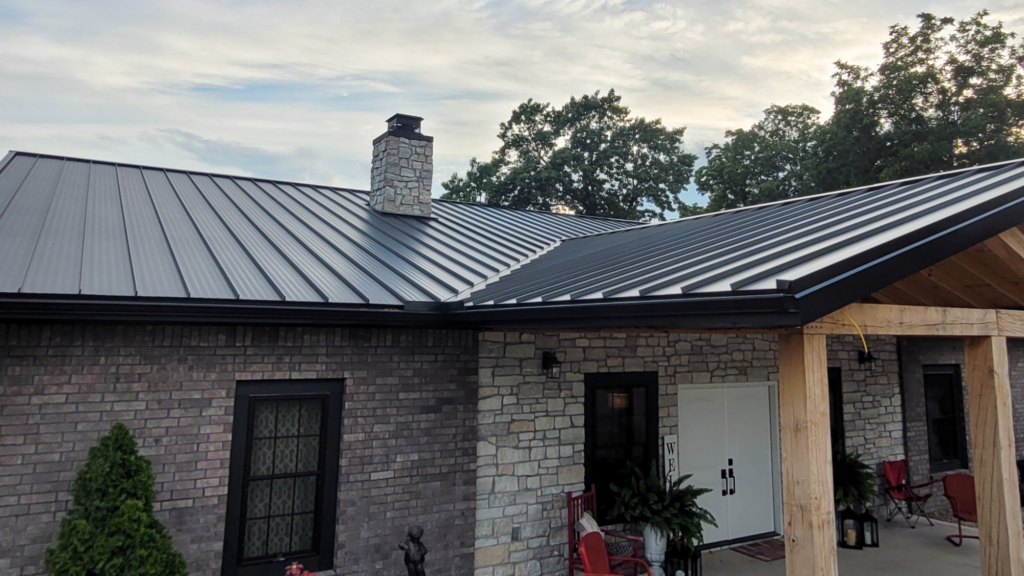
When homeowners think about replacing their roof, asphalt shingles are often the first option that comes to mind. However, modern residential roofing offers many alternatives for homeowners who want improved durability, energy efficiency, and long-term value. One premium option that continues to gain attention is the standing seam residential roof.
Standing seam metal roofing combines clean architectural lines with strong weather resistance and long-term performance. Unlike traditional metal roofing systems that may have exposed fasteners, standing seam systems use concealed fastening methods and raised seams that interlock across the roof surface. This design creates a sleek appearance while helping protect vulnerable fastening points from direct exposure to rain and other weather conditions.
For Missouri homeowners, choosing a roofing system requires careful consideration. Homes must withstand hot summers, heavy thunderstorms, strong winds, hail, snow, ice, and repeated temperature changes. A standing seam residential roof can provide a durable solution when it is properly designed, installed, and maintained.
At FM Roofing, we understand that a roof is more than a protective covering. It is an important investment in your home’s structure, appearance, energy efficiency, and long-term value. This guide explains what standing seam metal roofing is, how it works, its advantages and disadvantages, maintenance requirements, installation considerations, and why homeowners may want to consider this premium roofing option.
What Is a Standing Seam Metal Roof?
A standing seam metal roof is a metal roofing system consisting of long panels that run from the ridge or upper portion of the roof down toward the eaves. The edges of these panels are raised and joined together through vertical seams.
Unlike exposed-fastener metal roofing, the fasteners in many standing seam systems are concealed beneath or within the panel seams.
A standing seam residential roof can be manufactured using materials such as:
- Galvanized steel
- Galvalume steel
- Aluminum
- Copper
The appropriate material depends on the home’s design, climate, budget, and desired appearance.
How Standing Seam Roofing Works
The basic concept behind standing seam roofing is relatively straightforward. Large metal panels are installed across the roof, with adjacent panels connected through raised seams.
These seams help create a continuous weather-resistant surface.
The system may use clips that allow panels to move slightly as temperatures change. This movement is important because metal expands when heated and contracts when cooled.
A properly installed standing seam residential roof accounts for this natural movement.
Why Standing Seam Roofing Is Considered a Premium Option
Standing seam metal roofing is often considered a premium roofing system because of its combination of appearance, durability, and long-term performance.
Homeowners may choose it because they want:
- Long service life
- Minimal exposed fasteners
- Modern curb appeal
- Strong weather resistance
- Energy-efficient performance
- Low routine maintenance
Although the initial cost can be higher than asphalt shingles, many homeowners consider the long-term benefits worthwhile.
Modern Architectural Appearance
One of the most recognizable features of a standing seam residential roof is its clean appearance.
The long vertical panels create strong architectural lines that can make a home look:
- Modern
- Contemporary
- Sophisticated
- Minimalist
- Custom-designed
Standing seam metal can also complement traditional homes when the appropriate panel profile and color are selected.
Available Colors and Finishes
Modern metal roofing is available in a wide variety of colors and coatings.
Homeowners may choose from shades such as:
- Black
- Gray
- Charcoal
- Brown
- Green
- Bronze
- White
- Neutral earth tones
The finish should complement the home’s siding, brick, stone, trim, windows, and landscaping.
Durability and Long-Term Performance
One of the biggest reasons homeowners choose a standing seam residential roof is durability.
Metal roofing can resist many common roofing problems, including:
- Rot
- Insect damage
- Cracking
- Splitting
- Moisture deterioration
With proper installation and maintenance, a quality standing seam system can provide decades of service.
Resistance to Missouri Weather
Missouri homeowners experience a wide range of weather throughout the year.
A roof may be exposed to:
- Heavy rain
- High winds
- Hail
- Snow
- Ice
- Intense sunlight
- Freezing temperatures
- Rapid temperature changes
A properly installed standing seam residential roof can provide reliable protection against many of these conditions.
Wind Resistance
Strong winds can damage roofing materials by lifting edges or tearing materials from the roof.
Standing seam systems are designed with secure panel connections and concealed fastening systems.
The exact wind resistance depends on the specific product and installation method, so homeowners should always select a system appropriate for local conditions.
Hail Considerations
Hail can affect any roofing system.
Metal roofing is generally resistant to many forms of impact, although severe hail can cause cosmetic dents or damage depending on hail size, panel thickness, and coating.
When choosing a standing seam residential roof, homeowners should ask about the product’s impact-resistance testing and applicable ratings.
Snow and Ice
Standing seam metal roofing can perform well in snowy climates.
Its smooth surface can allow snow to slide from the roof, which can be both an advantage and a potential safety concern.
For homes in areas that receive snow, contractors may recommend snow guards or other systems to control snow movement.
Resistance to Fire
Metal roofing is non-combustible, making it an attractive option for homeowners concerned about fire resistance.
A standing seam residential roof can provide an additional layer of protection compared with some combustible roofing materials.
Fire performance depends on the entire roofing assembly, including the underlayment and roof deck.
Energy Efficiency
Metal roofing can contribute to energy-efficient home design.
Reflective coatings can reduce the amount of solar heat absorbed by the roof.
Depending on the product and color, a standing seam residential roof may help reduce heat transfer into the attic during hot weather.
However, roofing material is only one part of energy performance. Adequate insulation and attic ventilation remain essential.
Solar Panel Compatibility
Standing seam metal roofs can be particularly attractive to homeowners considering solar panels.
Some solar mounting systems can attach to standing seams using specialized clamps, reducing or eliminating the need for numerous roof penetrations.
This can simplify solar installation while helping preserve the roofing membrane.
Homeowners considering both solar panels and a standing seam residential roof should discuss compatibility with their roofing and solar professionals before installation.
Reduced Exposure of Fasteners
Traditional exposed-fastener metal roofing uses screws that pass through the roofing panels.
Over time, exposed fasteners may become vulnerable to:
- Weathering
- Seal deterioration
- Corrosion
- Expansion and contraction
Standing seam systems conceal many of these fasteners, reducing direct exposure to weather.
This is one of the important design advantages of a standing seam residential roof.
Thermal Movement
Metal expands and contracts as temperatures change.
This movement is particularly important in Missouri, where summer and winter temperatures can vary significantly.
Standing seam systems are designed to accommodate thermal movement through clips, seams, and panel connections.
Proper installation is critical to prevent stress-related problems.
Roof Pitch Considerations
Standing seam metal roofing can be installed on many residential roof designs, but minimum slope requirements vary by product.
Roof pitch affects:
- Water drainage
- Panel selection
- Seam design
- Installation requirements
A professional contractor should evaluate the roof slope before recommending a particular system.
Importance of Proper Underlayment
The metal panels are only one part of the roofing assembly.
Underlayment provides an additional moisture barrier beneath the metal.
Proper underlayment helps protect the roof deck if water reaches beneath the exterior panels.
The appropriate underlayment depends on roof design, climate, manufacturer requirements, and local building standards.
Flashing Around Roof Penetrations
Even the best metal roofing system can leak if flashing is improperly installed.
Important areas include:
- Chimneys
- Skylights
- Plumbing vents
- Exhaust vents
- Valleys
- Wall intersections
- Roof edges
Every penetration should be carefully integrated into the roofing system.
Roof Valleys
Valleys collect water from two intersecting roof surfaces.
Standing seam installations require careful valley detailing to maintain proper drainage and prevent water intrusion.
Professional installation is especially important around these areas.
Roof Edges and Eaves
The edges of a metal roof require proper trim and flashing.
These components help:
- Direct water
- Secure panel edges
- Protect underlying materials
- Improve appearance
Poorly installed edge details can compromise the performance of the entire roofing system.
Attic Ventilation
A new roof does not eliminate the need for proper attic ventilation.
Good ventilation helps control:
- Heat
- Moisture
- Condensation
Homeowners installing a standing seam residential roof should have the attic ventilation system evaluated as part of the project.
Comparing Standing Seam Metal to Asphalt Shingles
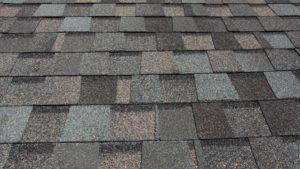
Asphalt shingles remain popular because they offer a relatively low initial cost and straightforward installation.
A standing seam residential roof, however, may provide:
- Longer service life
- Premium appearance
- Reduced exposed fasteners
- Excellent durability
- Strong weather performance
The best choice depends on the homeowner’s budget, goals, and property.
Comparing Standing Seam to Exposed-Fastener Metal Roofing
Both systems use metal panels, but their construction differs.
Exposed-fastener systems typically have visible screws installed through the panels.
Standing seam systems use concealed fastening methods.
The concealed design can provide a cleaner appearance and reduce exposure of fasteners to the weather.
Comparing Standing Seam to Natural Slate
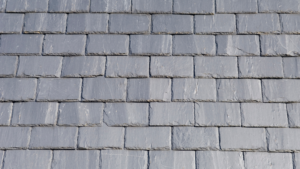
Natural slate provides a classic appearance and exceptional longevity but can be extremely heavy.
Metal roofing is much lighter.
A standing seam residential roof may provide a modern architectural appearance while placing fewer structural demands on the home.
Potential Drawbacks of Standing Seam Roofing
Although standing seam metal roofing offers many benefits, it is not perfect for every homeowner.
Potential disadvantages include:
- Higher initial cost
- Specialized installation
- Difficult repairs if improperly modified
- Potential for cosmetic dents
- Expansion and contraction noise in some situations
Understanding these considerations helps homeowners make an informed decision.
Higher Initial Investment
One of the biggest concerns for homeowners is the upfront cost.
Standing seam metal roofing generally costs more initially than standard asphalt shingles.
However, homeowners should consider the roof’s expected service life, maintenance needs, and long-term value rather than comparing only installation prices.
Installation Requires Specialized Knowledge
Installing a standing seam residential roof is not the same as installing asphalt shingles.
Contractors must understand:
- Panel alignment
- Seam connections
- Thermal movement
- Clips
- Flashing
- Roof penetrations
- Edge details
Experienced installation is essential for long-term performance.
Maintenance Requirements
Standing seam metal roofing is generally considered low maintenance, but homeowners should still schedule regular inspections.
Maintenance may include:
- Cleaning gutters
- Removing debris
- Inspecting flashing
- Checking seams
- Looking for corrosion
- Inspecting roof penetrations
Regular maintenance can help identify small issues before they become expensive problems.
Keeping Gutters Clean
Debris-filled gutters can cause water to back up against the roof edge.
This can damage:
- Fascia
- Soffits
- Trim
- Underlayment
- Exterior walls
Clean gutters are an important part of maintaining a standing seam residential roof.
Inspecting After Severe Storms
After a major storm, homeowners should look for visible damage from ground level.
Potential warning signs include:
- Loose trim
- Missing components
- Dented panels
- Damaged flashing
- Fallen branches
If damage is suspected, a professional inspection should be scheduled.
Corrosion Prevention
Quality metal roofing products are designed to resist corrosion, but damaged coatings or incompatible materials can create problems.
Professional contractors understand which materials and fasteners are appropriate for the roofing system.
Cleaning Metal Roofing
Metal roofs generally require relatively little cleaning.
If cleaning becomes necessary, homeowners should avoid harsh methods that can damage protective coatings.
Professional cleaning may be appropriate for difficult or high areas.
Roof Replacement Considerations
Homeowners considering a standing seam residential roof should first evaluate the existing roofing system.
A professional inspection can identify:
- Roof deck damage
- Moisture problems
- Structural concerns
- Ventilation deficiencies
- Existing flashing issues
Replacing an aging roof provides an opportunity to address these problems before the new system is installed.
Can Standing Seam Be Installed Over an Existing Roof?
In some situations, metal roofing can be installed over existing roofing materials.
However, this depends on:
- Existing roof condition
- Local building requirements
- Manufacturer specifications
- Roof structure
- Moisture conditions
A professional inspection should determine whether an overlay is appropriate or whether a complete tear-off is necessary.
Importance of Roof Deck Condition
The roof deck provides the foundation for the roofing system.
Before installing a standing seam residential roof, contractors should inspect the deck for:
- Rot
- Moisture
- Structural deterioration
- Damaged panels
- Weak areas
Damaged decking should be repaired before the new roof is installed.
Choosing the Right Metal
Different metals offer different characteristics.
Common choices include:
Steel
Steel is strong, widely available, and often more affordable than premium metals.
Aluminum
Aluminum is lightweight and naturally resistant to corrosion.
Copper
Copper provides a distinctive appearance and exceptional longevity but is significantly more expensive.
The appropriate material depends on the home’s needs and the homeowner’s budget.
Choosing the Right Color
Roof color affects more than appearance.
Darker colors generally absorb more solar energy, while lighter and reflective finishes may reduce heat absorption.
Homeowners should consider:
- Climate
- Architectural style
- Exterior colors
- Neighborhood appearance
- Personal preference
Roofing and Home Value
A high-quality roof can contribute to the overall appeal and marketability of a home.
A professionally installed standing seam residential roof may appeal to buyers who value:
- Durability
- Low maintenance
- Modern appearance
- Long-term performance
However, the value of any roofing upgrade depends on the local housing market and quality of installation.
Why Professional Installation Matters
A premium roofing material requires premium installation.
Professional roofers understand how to:
- Prepare the roof deck
- Install underlayment
- Position panels
- Accommodate thermal movement
- Install flashing
- Secure seams
- Protect roof penetrations
Correct installation is one of the most important factors affecting the performance of a standing seam residential roof.
Why Choose FM Roofing?
At FM Roofing, we understand that choosing a roof is a major investment. Our goal is to help homeowners select roofing systems that provide the right balance of durability, appearance, performance, and long-term value.
Our experienced team can evaluate your existing roof, discuss your goals, explain the advantages and limitations of metal roofing, and help determine whether a standing seam residential roof is appropriate for your property.
From roof inspections and replacement planning to professional installation and maintenance, FM Roofing is committed to quality workmanship and dependable service.
We believe homeowners deserve a roofing system that protects their property while enhancing its appearance for years to come.
Final Thoughts
A standing seam residential roof can be an excellent premium roofing choice for homeowners who want long-lasting performance, modern architectural appeal, and strong protection against changing weather conditions.
Although the initial investment can be higher than traditional asphalt shingles, the combination of durability, low maintenance, concealed fasteners, energy-efficiency opportunities, and long service life makes standing seam metal roofing an attractive option for many homeowners.
For Missouri properties, professional design and installation are particularly important. Weather conditions can challenge any roofing system, and details such as flashing, ventilation, roof slope, thermal movement, and drainage all contribute to long-term performance.