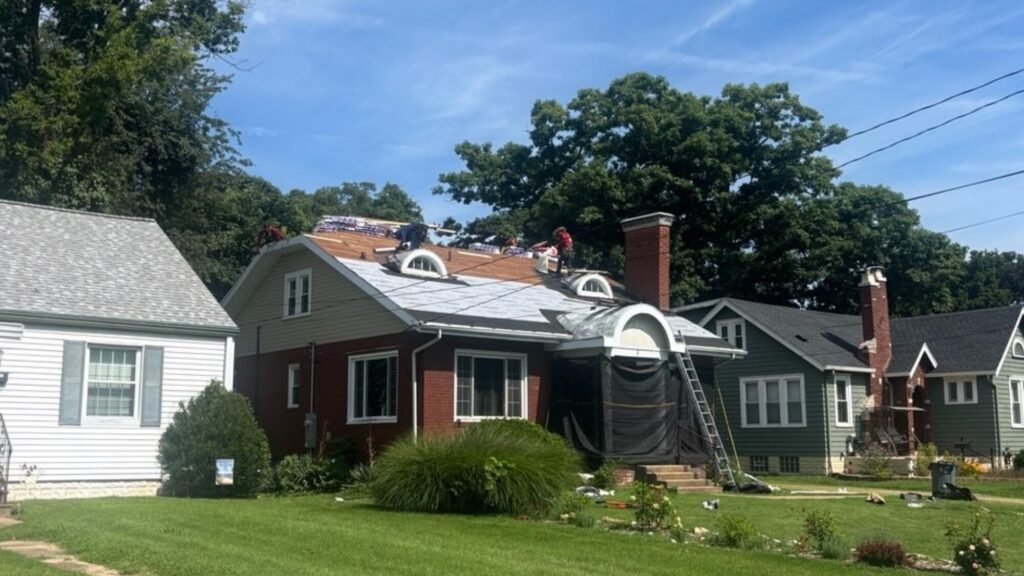
Replacing your roof is one of the most significant investments you can make in your home. A new roof enhances curb appeal, protects your property from Missouri’s changing weather, improves energy efficiency, and can increase your home’s value. However, if you live in a neighborhood governed by a Homeowners Association (HOA), replacing your roof involves more than selecting shingles and hiring a roofing contractor. You must also understand your community’s HOA roof replacement requirements before work begins.
Many homeowners are surprised to learn that an HOA may regulate roofing materials, colors, styles, installation timelines, and even the contractors who perform the work. These rules are designed to maintain a consistent appearance throughout the neighborhood while protecting property values. Failing to follow HOA roof replacement requirements can result in project delays, fines, mandatory roof modifications, or even legal disputes.
This guide explains everything homeowners should know about HOA roof replacement requirements, including approval procedures, common restrictions, roofing material guidelines, documentation, inspections, and tips for avoiding unnecessary delays.
What Is a Homeowners Association?
A Homeowners Association is an organization responsible for managing and maintaining a residential community. Most HOAs establish rules that govern exterior property improvements to preserve neighborhood appearance and protect property values.
An HOA may oversee:
- Exterior paint colors
- Landscaping
- Fencing
- Driveways
- Roofing
- Exterior additions
- Architectural modifications
For roofing projects, homeowners are generally expected to comply with all applicable HOA roof replacement requirements before construction begins.
Why HOAs Regulate Roof Replacements
The roof is one of the most visible parts of any home. Because neighboring houses often share similar architectural styles, HOAs establish roofing standards to create visual consistency throughout the community.
Common objectives include:
- Maintaining neighborhood appearance
- Protecting property values
- Preserving architectural harmony
- Preventing incompatible roofing materials
- Encouraging quality workmanship
These standards help ensure every roof replacement contributes positively to the community.
Understanding Your HOA Governing Documents
Before planning a roof replacement, homeowners should review their HOA’s governing documents.
These may include:
- Covenants, Conditions, and Restrictions (CC&Rs)
- Architectural guidelines
- Design standards
- Community bylaws
- Roofing policies
These documents typically explain the community’s HOA roof replacement requirements in detail.
Why Reading the Rules Matters
Every HOA operates differently.
Some communities have minimal restrictions, while others have detailed architectural standards covering nearly every aspect of exterior improvements.
Reviewing the requirements early helps homeowners avoid unexpected complications during the planning process.
Common HOA Roof Replacement Requirements
Although each association has unique policies, many require homeowners to follow similar guidelines.
Typical HOA roof replacement requirements include:
- Prior architectural approval
- Approved roofing materials
- Approved roof colors
- Matching neighborhood appearance
- Licensed contractors
- Building permits
- Project completion deadlines
- Post-installation inspections
Understanding these expectations before beginning work can prevent delays.
Architectural Review Committees
Many HOAs use Architectural Review Committees (ARCs) to evaluate proposed exterior improvements.
The committee reviews:
- Roofing material
- Color selection
- Style compatibility
- Manufacturer information
- Project plans
Approval is often required before work begins.
The Roof Approval Process
Most approval processes follow similar steps.
Homeowners typically:
- Submit an application.
- Provide roofing specifications.
- Include color samples.
- Submit contractor information.
- Wait for written approval.
- Schedule construction.
Beginning work before approval may violate HOA roof replacement requirements.
Choosing Approved Roofing Materials
Many communities maintain approved roofing material lists.
Common options include:
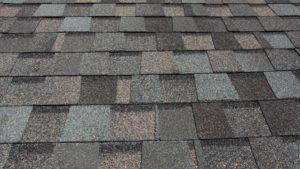
- Architectural asphalt shingles
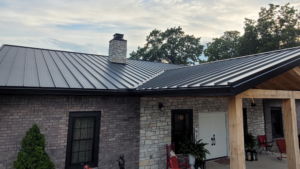
- Metal roofing
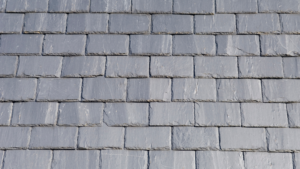
- Synthetic slate
- Cedar shake alternatives
- Concrete tile
- Clay tile
The available choices depend on the neighborhood’s architectural standards.
Roofing Colors May Be Restricted
Many HOAs regulate roof color to maintain neighborhood consistency.
Approved colors may include:
- Weathered wood
- Charcoal
- Slate gray
- Black
- Brown
Bright or unusual colors may not receive approval.
Matching Existing Neighborhood Style
The purpose of many HOA roof replacement requirements is not necessarily requiring identical roofs but maintaining overall architectural consistency.
Communities often encourage:
- Similar profiles
- Coordinated colors
- Compatible materials
- Consistent curb appeal
These guidelines help create attractive neighborhoods.
Architectural Harmony
A roof should complement the home’s design.
For example:
- Colonial homes may use architectural shingles.
- Mediterranean homes may feature clay tile.
- Craftsman homes may use cedar-inspired products.
The HOA may evaluate whether the selected roof matches both the home and surrounding neighborhood.
Manufacturer Specifications
Some HOAs request detailed manufacturer information.
This may include:
- Product brochures
- Warranty information
- Material samples
- Color charts
Providing complete documentation can speed up approval.
Contractor Requirements
Certain HOAs require homeowners to hire licensed and insured roofing contractors.
They may request:
- Contractor licenses
- Insurance certificates
- Business information
- Local references
Working with experienced professionals familiar with HOA roof replacement requirements often simplifies the approval process.
Building Permits
HOA approval does not replace municipal permit requirements.
Depending on local regulations, homeowners may also need:
- Building permits
- Roofing permits
- Inspection approvals
Both HOA approval and local permits are usually necessary before work begins.
Understanding Missouri Weather Considerations
Missouri homeowners experience:
- Heavy rain
- Strong winds
- Hail
- Snow
- Ice
- High summer temperatures
When reviewing projects, some HOAs encourage roofing systems designed to perform well in local weather conditions while maintaining neighborhood appearance.
Storm Damage and Emergency Roof Replacement
After severe storms, homeowners may need emergency roof replacement.
Even following storm damage, many HOAs still require notification or approval before installing permanent roofing materials.
Some associations provide expedited approval procedures for emergency situations.
Insurance Claims and HOA Approval
Insurance companies often approve roof replacement after covered storm damage.
However, insurance approval does not automatically satisfy HOA roof replacement requirements.
Homeowners should coordinate with both their insurer and HOA before construction begins.
Project Timelines
Many HOAs establish deadlines once approval has been granted.
Requirements may include:
- Starting work within a certain period
- Completing work promptly
- Minimizing neighborhood disruption
Following approved timelines helps maintain compliance.
Noise and Construction Hours
Some communities regulate construction schedules.
Rules may address:
- Permitted work hours
- Weekend construction
- Holiday restrictions
- Parking locations
- Dumpster placement
Understanding these expectations helps reduce conflicts with neighbors.
Protecting Common Areas
Roof replacement projects often require dumpsters, trailers, and material deliveries.
HOAs may require contractors to:
- Protect landscaping
- Avoid damaging sidewalks
- Keep streets clean
- Remove debris promptly
Professional contractors typically coordinate these details.
Debris Removal Requirements
Roof replacement generates substantial waste.
Many HOA roof replacement requirements address:
- Daily cleanup
- Dumpster placement
- Nail removal
- Property protection
- Final site cleaning
Maintaining a clean worksite benefits both homeowners and neighbors.
Roofing Warranties
Some HOAs encourage or require roofing systems backed by manufacturer warranties.
Homeowners should understand:
- Material warranties
- Workmanship warranties
- Maintenance requirements
Quality roofing systems provide long-term peace of mind.
Why Communication Matters
Early communication with the HOA often prevents misunderstandings.
Before ordering materials, homeowners should:
- Ask questions
- Confirm approval requirements
- Verify documentation
- Clarify timelines
Good communication keeps projects moving smoothly.
Avoiding Common Mistakes
Homeowners sometimes encounter delays because they:
- Purchase materials before approval.
- Hire contractors unfamiliar with HOA rules.
- Submit incomplete applications.
- Ignore color restrictions.
- Begin construction too early.
Careful planning helps avoid these issues.
Keeping Records
Maintain copies of:
- Approval letters
- Roofing contracts
- Warranty documents
- Material specifications
- Inspection reports
These records may be valuable for future property sales or warranty claims.
Roof Inspections After Installation
Some HOAs perform final inspections to verify compliance.
Inspectors may review:
- Approved materials
- Color consistency
- Overall workmanship
- Community appearance
Successful inspections confirm the project satisfies HOA roof replacement requirements.
Benefits of Following HOA Requirements
Although HOA rules sometimes seem restrictive, they often provide important benefits.
These include:
- Attractive neighborhoods
- Consistent architectural appearance
- Higher property values
- Better community maintenance
- Long-term neighborhood appeal
Understanding the reasoning behind these guidelines helps homeowners appreciate their value.
Questions to Ask Before Starting
Before beginning your roofing project, consider asking:
- Is HOA approval required?
- Which roofing materials are approved?
- Are color choices limited?
- Are there contractor requirements?
- How long does approval take?
- Are post-installation inspections required?
Knowing these answers early simplifies the project.
Working With an Experienced Roofing Contractor
Professional roofing contractors familiar with HOA communities understand how to prepare documentation, recommend compliant products, and coordinate project timelines.
An experienced contractor can help homeowners navigate:
- Material selection
- Approval paperwork
- Scheduling
- Roof inspections
- Warranty documentation
This expertise often reduces delays and improves project efficiency.
Why Choose FM Roofing
At FM Roofing, we understand that replacing your roof involves more than quality installation. Our experienced team works closely with homeowners throughout Missouri to help simplify the roofing process from initial planning through project completion.
We assist homeowners by providing detailed roofing specifications, product information, manufacturer documentation, and professional recommendations that support HOA approval. Whether your community requires architectural review, material verification, or color matching, our team is committed to making the process as smooth as possible.
Our focus on craftsmanship, communication, and customer service allows homeowners to confidently complete roofing projects while satisfying HOA roof replacement requirements and protecting the long-term value of their homes.
Final Thoughts
Replacing your roof is an opportunity to improve your home’s protection, efficiency, and appearance. If you live in an HOA-managed community, understanding HOA roof replacement requirements is an essential part of planning a successful project.
By reviewing community guidelines, obtaining proper approvals, selecting compliant materials, and working with experienced roofing professionals, homeowners can avoid unnecessary delays while ensuring their new roof enhances both their property and the surrounding neighborhood.
If you’re planning a roof replacement and need guidance navigating HOA roof replacement requirements, contact FM Roofing today. Our knowledgeable team is ready to help you choose the right roofing system, prepare the necessary documentation, and complete a professional installation that protects your home and meets your community’s standards.