Choosing a new roof is one of the most important decisions a homeowner can make. A roofing system protects the home from rain, wind, hail, snow, sunlight, and changing temperatures while also contributing significantly to curb appeal and property value. For homeowners who want the appearance of traditional roofing materials without some of their limitations, composite roofing materials offer an increasingly popular solution.
Modern roofing technology has transformed the options available to homeowners. Instead of choosing only between conventional asphalt shingles, heavy natural slate, or traditional wood shakes, homeowners can now select engineered products designed to reproduce the appearance of premium materials while offering modern performance characteristics.
Composite roofing materials can be manufactured to resemble slate, wood shakes, clay tiles, and other traditional roofing styles. Depending on the product, they may be made from combinations of recycled plastics, polymers, rubber, fiberglass, resins, and other engineered materials. The result is a roofing product that can provide distinctive architectural character while addressing some of the weight, maintenance, and installation concerns associated with traditional materials.
For Missouri homeowners, roofing performance is especially important. Homes must withstand hot summers, heavy rainfall, strong winds, hail, freezing temperatures, snow, and repeated freeze-thaw cycles. A roof needs to provide dependable protection while complementing the home’s design.
At FM Roofing, we help homeowners understand their roofing options so they can make informed decisions based on their home’s structure, appearance, budget, and long-term goals. In this guide, we’ll explore composite roofing materials, their benefits and potential limitations, how they compare with traditional roofing materials, maintenance requirements, installation considerations, and why professional roofing expertise matters.
What Are Composite Roofing Materials?
Composite roofing materials are engineered roofing products made from a combination of materials designed to create a durable and attractive roofing system.
Unlike natural slate or wood, which come directly from a single natural material, composite roofing is manufactured to achieve specific performance characteristics.
Depending on the manufacturer and product, composite roofing may contain:
- Recycled polymers
- Synthetic rubber
- Plastic
- Fiberglass
- Resins
- Mineral fillers
- Other engineered components
Manufacturers can manipulate these materials to create roofing products with different textures, colors, profiles, and performance characteristics.
Why Composite Roofing Has Become Popular
The popularity of composite roofing materials has grown because homeowners increasingly want roofing systems that combine appearance with practical performance.
Traditional roofing materials can have limitations. Natural slate, for example, is extremely durable but heavy. Wood shakes offer natural beauty but require maintenance. Clay tiles have a distinctive appearance but may require specialized structural considerations.
Composite roofing can provide an alternative by combining traditional aesthetics with modern manufacturing technology.
Traditional Appearance With Modern Performance
One of the biggest advantages of composite roofing materials is their ability to imitate traditional roofing products.
Manufacturers can create products resembling:
- Natural slate
- Cedar shakes
- Wood shingles
- Clay tiles
- Traditional architectural roofing
This allows homeowners to achieve a classic appearance without necessarily accepting all of the challenges associated with authentic traditional materials.
Composite Slate Roofing
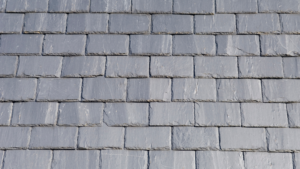
Composite slate is designed to reproduce the appearance of natural slate.
Natural slate is known for:
- Elegant appearance
- Long service life
- Natural variation
- Premium curb appeal
However, natural slate can also be heavy and expensive to install.
Composite slate provides a lightweight alternative that can offer similar visual character.
For homeowners interested in the appearance of slate but concerned about structural requirements, composite slate may be worth considering.
Composite Shake Roofing
Wood shakes have been used for generations because of their natural texture and rustic appearance.
However, traditional wood roofing can be vulnerable to:
- Moisture
- Rot
- Insects
- Fungal growth
- Weathering
- Fire concerns depending on the product and treatment
Composite shake products are designed to reproduce the appearance of wood while reducing some of these maintenance concerns.
Composite Tile Roofing
Some composite roofing materials are manufactured to resemble traditional tile.
These products may reproduce the appearance of:
- Spanish tile
- Mediterranean tile
- Mission tile
- Traditional clay roofing
Composite tile can offer a lighter alternative to certain natural tile products while maintaining a distinctive architectural appearance.
Lightweight Construction
One of the most important advantages of composite roofing materials is that many products are lighter than natural slate, clay tile, or other heavy roofing materials.
Reduced weight can simplify installation and decrease structural demands.
However, every home is different. A professional roofing contractor should still evaluate the structure before any roofing material is installed.
Durability
Modern composite roofing products are engineered for long-term outdoor exposure.
Quality products may be designed to resist:
- Wind
- Rain
- Hail
- UV radiation
- Moisture
- Temperature fluctuations
The exact performance depends on the manufacturer, product design, installation method, and local conditions.
Missouri Weather Considerations
Missouri homeowners need roofing systems capable of handling changing weather conditions.
Throughout the year, roofs may experience:
- Intense summer sunlight
- Heavy thunderstorms
- Hail
- High winds
- Snow
- Ice
- Freezing temperatures
- Freeze-thaw cycles
When evaluating composite roofing materials, homeowners should review manufacturer specifications related to wind resistance, impact resistance, fire performance, and temperature exposure.
Wind Resistance
High winds can lift or damage roofing materials when they are not properly installed.
Composite roofing products are often designed with secure fastening systems and manufacturer-specific installation requirements.
Professional installation is critical because even a high-quality roofing product can fail prematurely if it is installed incorrectly.
Hail Resistance
Hail is a significant concern for homeowners in many areas of Missouri.
Some composite roofing materials are specifically engineered to provide improved impact resistance.
However, homeowners should never assume that all composite roofing products have the same hail performance.
Before choosing a product, ask about its applicable impact-resistance ratings and manufacturer testing.
Resistance to Moisture
Water is one of the greatest threats to any roofing system.
Composite roofing products are generally designed to resist moisture absorption and deterioration.
Proper installation remains essential, especially around:
- Valleys
- Chimneys
- Skylights
- Plumbing vents
- Roof edges
- Wall intersections
These areas require careful flashing and waterproofing.
Fire Resistance
Some composite roofing products are manufactured with strong fire-resistance characteristics.
This can provide homeowners with another layer of protection.
Fire ratings vary between products, so homeowners should review the manufacturer’s documentation before making a decision.
UV Resistance
A roof is exposed to sunlight every day.
Over time, ultraviolet radiation can cause certain roofing materials to:
- Fade
- Become brittle
- Crack
- Deteriorate
High-quality composite roofing materials are engineered to withstand prolonged UV exposure.
This can help preserve both appearance and performance.
Color and Design Options
Modern manufacturing provides homeowners with numerous design possibilities.
Composite roofing may be available in:
- Gray
- Black
- Brown
- Weathered wood
- Charcoal
- Slate blends
- Earth tones
Some manufacturers combine multiple shades within individual roofing systems to create a more natural appearance.
Matching Your Home’s Architecture
The roof should complement the architectural style of the home.
For example:
A Colonial home may look attractive with composite slate.
A Craftsman home may complement composite cedar-style shakes.
A Mediterranean-inspired home may work well with composite tile.
Choosing the right profile and color can improve the home’s overall appearance.
Improving Curb Appeal
A roof can represent a large portion of the visible exterior of a home.
Installing attractive composite roofing materials can significantly change the home’s appearance.
A new roof can:
- Refresh an aging exterior
- Improve architectural character
- Complement new siding
- Enhance landscaping
- Increase perceived property value
Potential Increase in Property Value
Premium roofing materials can make a home more appealing to prospective buyers.
Although no roofing material guarantees a specific increase in property value, an attractive and well-maintained roof can contribute positively to the overall impression of a property.
Longevity Considerations
One reason homeowners consider composite roofing is its potential for a long service life.
The actual lifespan depends on:
- Product quality
- Installation quality
- Weather exposure
- Maintenance
- Ventilation
- Roof design
Homeowners should compare manufacturer warranties and expected service life when evaluating different products.
Composite Roofing Versus Asphalt Shingles
Asphalt shingles remain one of the most popular residential roofing choices.
They offer:
- Lower initial cost
- Easy availability
- Straightforward installation
- Many color options
Composite roofing materials may offer:
- More distinctive appearance
- Greater architectural character
- Premium aesthetic options
- Potentially longer service life
The right choice depends on the homeowner’s priorities.
Composite Roofing Versus Natural Slate
Natural slate offers exceptional beauty and longevity.
However, it can be:
- Heavy
- Expensive
- Labor-intensive
- Difficult to repair
Composite slate can provide a similar appearance with reduced weight and potentially simpler installation.
Composite Roofing Versus Wood Shakes
Wood shakes provide natural texture and character.
However, they may require more maintenance because they can be affected by moisture, insects, and weathering.
Composite shake products offer an alternative for homeowners who want a wood-like appearance with different maintenance characteristics.
Composite Roofing Versus Clay Tile
Clay tile is durable and attractive but can be heavy and relatively expensive.
Composite tile may provide a similar visual style with lower structural demands.
Homeowners should evaluate each product based on their home’s design and structural capacity.
Installation Requirements
Installing composite roofing materials requires careful attention to manufacturer specifications.
Contractors must consider:
- Roof slope
- Underlayment
- Flashing
- Fastening
- Ventilation
- Roof decking
- Drainage
Proper preparation is essential for long-term performance.
Roof Deck Inspection
Before installing a new roofing system, contractors should inspect the roof deck.
The deck may contain:
- Rot
- Moisture damage
- Cracks
- Structural deterioration
- Weak areas
Damaged decking should be addressed before the new roofing material is installed.
Importance of Underlayment
The underlayment provides a secondary layer of protection beneath the roofing material.
It can help protect the roof deck from moisture that reaches beneath the outer roofing layer.
The appropriate underlayment depends on the roofing product, roof design, climate, and manufacturer requirements.
Flashing Around Roof Penetrations
Roof penetrations create potential leak points.
Common penetrations include:
- Plumbing vents
- Chimneys
- Skylights
- Exhaust fans
- Solar mounts
Proper flashing and waterproofing around these areas are essential.
Roof Ventilation
Ventilation is an important part of overall roofing performance.
Proper attic ventilation helps:
- Control heat
- Reduce moisture
- Protect insulation
- Minimize condensation
- Extend roofing-system life
A roofing contractor should evaluate ventilation as part of a replacement project.
Maintenance Requirements
Although composite roofing materials are often designed for low maintenance, no roof is maintenance-free.
Homeowners should schedule periodic inspections and address problems promptly.
Routine maintenance may include:
- Cleaning gutters
- Removing debris
- Checking flashing
- Inspecting roof penetrations
- Looking for damaged roofing pieces
Keeping Gutters Clean
Gutters are an essential part of the roof drainage system.
Blocked gutters can cause water to back up beneath roofing materials or overflow around the foundation.
Keeping gutters clean protects both the roof and the home.
Inspecting After Severe Weather
After major storms, homeowners should inspect their property from ground level.
Look for:
- Missing roofing materials
- Broken pieces
- Damaged flashing
- Debris
- Gutter damage
If damage is suspected, schedule a professional inspection.
Repairing Composite Roofing
One advantage of many composite systems is that individual damaged pieces can potentially be replaced.
Repairs may be necessary after:
- Hail
- Falling branches
- Severe wind
- Improper foot traffic
Prompt repairs can prevent water intrusion and additional damage.
Choosing Quality Products
Not all composite roofing materials are identical.
Homeowners should research:
- Manufacturer reputation
- Warranty coverage
- Product specifications
- Impact ratings
- Fire ratings
- Wind ratings
- Expected service life
A lower-cost product may not provide the same performance as a premium system.
Understanding Roofing Warranties
Warranties can provide valuable protection.
Homeowners should understand the difference between:
- Material warranties
- Manufacturer warranties
- Workmanship warranties
Read the warranty carefully to understand exclusions and maintenance requirements.
Cost Considerations
Composite roofing generally costs more upfront than standard asphalt shingles.
However, homeowners should consider the total value over the life of the roof.
Factors include:
- Initial installation
- Maintenance
- Repair costs
- Expected lifespan
- Curb appeal
- Potential replacement frequency
Looking only at initial price may not provide an accurate comparison.
Is Composite Roofing Worth the Investment?
For homeowners seeking a premium appearance without the weight or maintenance characteristics of some traditional roofing materials, composite roofing materials can be an excellent investment.
They may be particularly attractive to homeowners who value:
- Long-term durability
- Architectural appearance
- Reduced maintenance
- Lightweight construction
- Design flexibility
A professional consultation can help determine whether the investment makes sense for your property.
Signs You May Need a New Roof
Homeowners considering composite roofing may already be dealing with an aging roof.
Common warning signs include:
- Missing shingles
- Curling roofing materials
- Cracked surfaces
- Granule loss
- Persistent leaks
- Sagging
- Damaged flashing
- Excessive roof age
A professional inspection can determine whether replacement is appropriate.
When Roof Replacement Is Better Than Repair
Repairs may be appropriate when damage is isolated.
Replacement may make more sense when:
- The roof is near the end of its expected life.
- Damage is widespread.
- Multiple leaks are present.
- The decking is deteriorated.
- Storm damage affects a large portion of the roof.
Choosing composite roofing materials during replacement can provide an opportunity to upgrade both appearance and performance.
Why Professional Installation Matters
Even the best roofing product cannot perform properly if installed incorrectly.
Experienced roofing contractors understand how to:
- Prepare the roof deck
- Install underlayment
- Integrate flashing
- Maintain proper ventilation
- Follow manufacturer specifications
- Secure roofing materials correctly
Professional installation protects the homeowner’s investment.
Why Choose FM Roofing?
At FM Roofing, we understand that homeowners want more than basic protection from their roof. They want a roofing system that complements their home’s architecture, performs reliably, and provides long-term value.
Our team can help homeowners evaluate composite roofing materials alongside other roofing options to determine which system best fits their property. We consider roof design, structural requirements, weather exposure, appearance, maintenance expectations, and budget before recommending a solution.
From roof inspections and replacement planning to professional installation and repairs, FM Roofing is committed to quality workmanship and dependable customer service.
Final Thoughts
Composite roofing materials provide homeowners with an exciting alternative to traditional roofing products. By combining modern engineering with classic architectural appearances, composite roofing can offer the look of natural slate, wood shakes, or tile while addressing some of the challenges associated with heavier or more maintenance-intensive materials.
For Missouri homeowners, choosing the right roofing system requires careful consideration of weather conditions, roof structure, installation quality, maintenance needs, and long-term value. A properly selected and professionally installed composite roof can provide attractive curb appeal and dependable protection for many years.