When it comes to protecting your home, regular roof inspections are one of the most important steps you can take. Whether you’re maintaining your current roof, preparing to sell your home, or assessing storm damage, inspections play a key role in identifying issues early. One of the most common questions homeowners ask is: how long does a roof inspection actually take?
Understanding roof inspection duration helps homeowners plan their time, set expectations, and ensure they receive a thorough and accurate assessment. At FM Roofing, we believe informed homeowners make better decisions. In this comprehensive guide, we’ll break down everything you need to know about roof inspection duration, what factors affect it, and why a detailed inspection is worth the time.
What Is a Roof Inspection?
A roof inspection is a professional evaluation of your roofing system to identify damage, wear, and potential issues. It typically includes an assessment of shingles, flashing, gutters, ventilation, and the overall structure.
The goal is to detect problems early and recommend maintenance or repairs. While the process may seem straightforward, the roof inspection duration can vary depending on several factors.
Average Roof Inspection Duration
For most residential properties, the average roof inspection duration ranges from 30 minutes to 2 hours. However, this timeline can change based on the size of the roof, its condition, and the level of detail required.
A basic visual inspection may take less time, while a more comprehensive inspection—especially one involving attic access or detailed documentation—can take longer.
Why Roof Inspection Duration Varies
Not all roofs are the same, and several factors influence how long an inspection takes.
Roof Size
Larger roofs naturally require more time to inspect. A small single-story home may take under an hour, while a larger multi-story property could extend the roof inspection duration significantly.
Roof Complexity
Roofs with multiple slopes, valleys, skylights, or chimneys require more attention. These features increase the time needed for a thorough inspection.
Roofing Material
Different materials require different inspection methods. For example, inspecting asphalt shingles may be quicker than evaluating tile or metal roofing systems.
Roof Condition
A well-maintained roof may be inspected quickly, while a roof with visible damage may require a more detailed evaluation, increasing the roof inspection duration.
Accessibility
If the roof is difficult to access due to height, steep pitch, or surrounding obstacles, the inspection may take longer.
Types of Roof Inspections and Their Duration
The type of inspection also affects how long the process takes.
Basic Visual Inspection
This is the quickest type, focusing on visible issues from the ground or roof surface. The roof inspection duration for this type is typically 30–60 minutes.
Comprehensive Inspection
A detailed inspection includes checking all components of the roofing system, including flashing, underlayment, and ventilation. This type may take 1–2 hours.
Attic Inspection
Inspecting the attic for signs of leaks, insulation issues, and ventilation problems can add additional time to the roof inspection duration.
Drone Inspection
Some contractors use drones to inspect hard-to-reach areas. This can speed up the process while still providing detailed results.
Post-Storm Inspection
After severe weather, inspections may take longer due to the need for thorough damage assessment.
What Happens During a Roof Inspection?
Understanding the process helps explain the roof inspection duration.
Exterior Inspection
The contractor examines shingles, flashing, vents, and other exterior components for damage or wear.
Structural Assessment
The roof’s structure is evaluated for signs of sagging or weakness.
Drainage Check
Gutters and downspouts are inspected to ensure proper water flow.
Interior Inspection
The attic and ceilings are checked for leaks, moisture, and insulation issues.
Documentation
Photos and notes are taken to provide a detailed report.
Each of these steps contributes to the overall roof inspection duration.
Why a Thorough Inspection Takes Time
Some homeowners may expect a quick inspection, but rushing the process can lead to missed issues.
A longer roof inspection duration often means a more thorough evaluation. This ensures that all potential problems are identified and addressed.
Taking the time to perform a detailed inspection can save homeowners from costly repairs in the future.
When You Might Need a Longer Inspection
Certain situations require more time and attention.
Older Roofs
Aging roofs may have multiple issues that need careful evaluation.
Suspected Leaks
Identifying the source of a leak can be time-consuming.
Complex Roof Designs
Roofs with multiple features require detailed inspection.
Insurance Claims
Inspections for insurance purposes often involve extensive documentation, increasing the roof inspection duration.
Advanced Tools That Affect Inspection Time
Modern roofing inspections often involve advanced tools that can influence roof inspection duration—sometimes making it faster, but often making it more thorough.
Infrared Scanning
Infrared cameras detect hidden moisture beneath roofing materials. While this adds time to the inspection, it provides deeper insights that visual checks cannot.
Moisture Meters
These tools help confirm water intrusion in decking and insulation, slightly extending roof inspection duration but improving accuracy.
Drone Technology
Drones can quickly scan large or steep roofs, reducing physical inspection time while still capturing detailed imagery.
Digital Reporting Software
Contractors often document findings in real time using apps, which can slightly extend the inspection but results in a more professional and detailed report.
The Role of Weather in Inspection Timing
Weather conditions play a major role in determining roof inspection duration.
Clear Weather
Inspections are fastest and safest during dry, calm conditions.
Rain or Moisture
Wet roofs are slippery and dangerous, often delaying inspections or increasing the time required.
Extreme Heat
Hot weather can slow down inspections due to safety precautions.
Cold Temperatures
Cold weather may make materials brittle, requiring more careful evaluation.
Scheduling inspections during optimal weather helps ensure accurate results and efficient roof inspection duration.
Seasonal Timing and Its Impact
Different seasons can influence how long inspections take and what inspectors look for.
Spring Inspections
Spring inspections focus on identifying winter damage. Debris and moisture issues may extend roof inspection duration.
Summer Inspections
Generally faster due to dry conditions, though heat can slow down the process.
Fall Inspections
Often thorough, as contractors prepare roofs for winter conditions.
Winter Inspections
Less common but may take longer due to snow, ice, or limited access.
Understanding seasonal impacts helps homeowners plan their inspections effectively.
How Roof Pitch Affects Inspection Duration
The slope of your roof plays a significant role in inspection time.
Low-Slope Roofs
Easier and faster to inspect due to safe walking conditions.
Moderate Slope Roofs
Require more caution, slightly increasing roof inspection duration.
Steep Slope Roofs
Take significantly longer due to safety equipment requirements and limited accessibility.
Roof pitch directly influences how quickly and safely an inspection can be completed.
Commercial vs. Residential Inspection Time
While this guide focuses on homeowners, it’s helpful to understand how residential inspections compare.
Residential roofs typically have shorter roof inspection duration due to smaller size and simpler design.
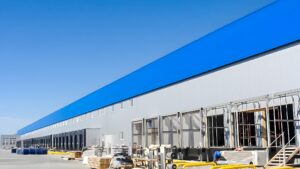
Commercial roofs, on the other hand, can take several hours due to larger surface areas and complex systems.
Preparing for Inspection Day
Homeowners can help ensure a smooth inspection process by preparing in advance.
Provide Easy Access
Ensure gates, driveways, and attic spaces are accessible.
Inform About Issues
Let the contractor know about leaks or concerns beforehand.
Secure Pets
Keep pets indoors or away from the work area.
Clear Surroundings
Remove obstacles that may block access to the roof.
These steps help streamline roof inspection duration and improve efficiency.
Benefits of Regular Roof Inspections
Scheduling regular inspections offers several advantages.
Early Problem Detection
Issues can be identified before they become major problems.
Extended Roof Lifespan
Regular maintenance helps prolong the life of your roof.
Cost Savings
Addressing minor issues early reduces repair costs.
Peace of Mind
Knowing your roof is in good condition provides confidence.
Following a consistent schedule ensures that roof inspection duration remains manageable and effective.
How Often Should You Schedule Inspections?
Most homeowners benefit from inspections once or twice a year.
An annual inspection is typically sufficient for newer roofs, while older roofs may require more frequent checks.
After severe weather, additional inspections may be necessary.
DIY vs. Professional Inspections
Some homeowners may consider inspecting their roofs themselves.
DIY Limitations
- Limited expertise
- Safety risks
- Potential to miss hidden issues
Professional Advantages
- Thorough evaluation
- Proper tools and equipment
- Accurate diagnosis
- Detailed reports
Professional inspections ensure that the roof inspection duration is used effectively.
Cost of Roof Inspections
The cost of an inspection varies depending on factors such as roof size and complexity.
While some inspections are free, others may have a fee. Regardless of cost, the value of identifying issues early makes inspections a worthwhile investment.
Why Choose FM Roofing
At FM Roofing, we provide thorough and efficient roof inspections tailored to your home’s needs. Our team ensures that every inspection is detailed, accurate, and completed within an appropriate roof inspection duration.
We prioritize quality over speed, ensuring that no detail is overlooked. Whether you need a routine inspection or a post-storm assessment, we are here to help.
Final Thoughts
Understanding roof inspection duration helps homeowners set realistic expectations and appreciate the value of a thorough evaluation. While most inspections take between 30 minutes and 2 hours, the exact time depends on factors such as roof size, complexity, and condition.
A well-conducted inspection is an investment in your home’s safety and longevity. By scheduling regular inspections and working with experienced professionals, you can ensure your roof remains in excellent condition for years to come.
If you’re ready to schedule an inspection or want to learn more about roof inspection duration, contact FM Roofing today. Our team is committed to providing reliable, high-quality service that keeps your home protected.