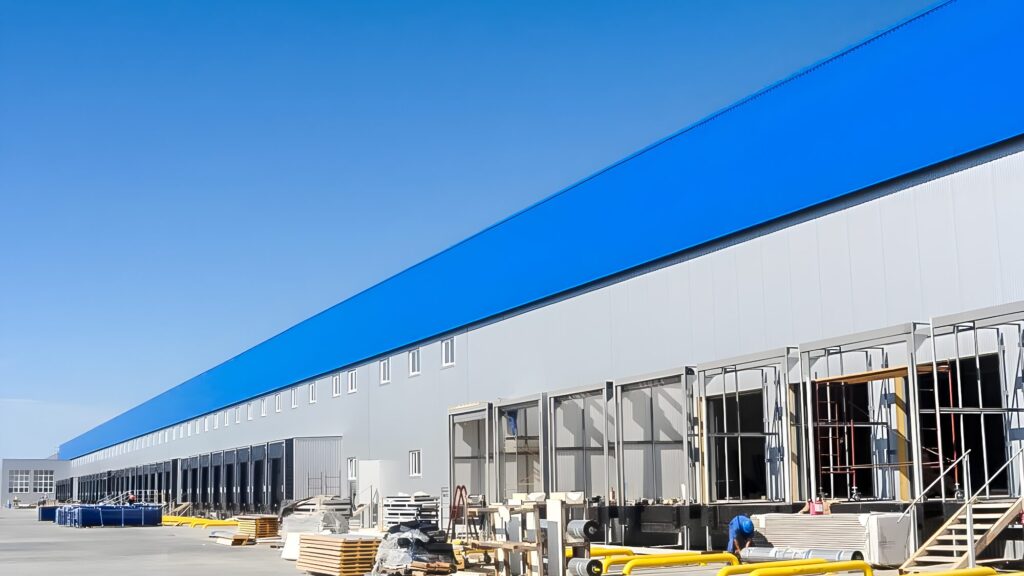
Warehouses play a critical role in modern business operations, serving as storage facilities, distribution centers, manufacturing spaces, and logistical hubs. Because these structures protect valuable inventory, equipment, and operations, the roofing system must provide exceptional durability, weather resistance, and long-term performance. Choosing the right warehouse roofing systems is essential for maintaining operational efficiency and protecting commercial investments.
At FM Roofing, we understand the unique challenges involved in large-scale commercial roofing projects. In this comprehensive guide, we’ll explore the most effective warehouse roofing systems, common issues warehouse owners face, factors to consider during installation, and the long-term benefits of investing in the right roofing solution.
Why Warehouse Roofing Systems Matter
Warehouse roofs cover massive surface areas and are exposed to constant environmental stress. Unlike residential roofing, commercial warehouse roofs must handle larger drainage demands, equipment loads, ventilation systems, and long-term wear.
High-quality warehouse roofing systems help:
- Protect inventory and equipment
- Prevent costly leaks and downtime
- Improve energy efficiency
- Extend roof lifespan
- Support structural integrity
A poorly designed roofing system can lead to water damage, operational interruptions, and expensive repairs.
Unique Challenges of Warehouse Roofing
Warehouse roofs face different demands compared to residential and smaller commercial buildings.
Large Surface Areas
The sheer size of warehouses increases exposure to weather and drainage issues. Properly designed warehouse roofing systems are necessary to manage water flow effectively.
Heavy Equipment Loads
Many warehouses have rooftop HVAC systems, ventilation units, and solar panels that place additional stress on the roof structure.
Flat or Low-Slope Designs
Most warehouse roofing systems use flat or low-slope designs, which can create drainage challenges if not installed correctly.
Energy Consumption
Warehouses often require temperature control, making roofing insulation and reflectivity important considerations.
Long-Term Durability
Commercial property owners expect warehouse roofing systems to last for decades with minimal disruption to operations.
Common Types of Warehouse Roofing Systems
Several roofing systems are commonly used for warehouses. Each has its own advantages and ideal applications.
TPO Roofing Systems
Thermoplastic Polyolefin (TPO) roofing is one of the most popular warehouse roofing systems for commercial properties.
Advantages of TPO Roofing
- Energy-efficient reflective surface
- Strong resistance to UV rays
- Heat-welded seams for durability
- Lightweight material
Potential Drawbacks
- Quality varies by manufacturer
- Installation expertise is essential
TPO warehouse roofing systems are ideal for facilities focused on energy savings and long-term performance.
EPDM Roofing Systems
EPDM, often referred to as rubber roofing, is another common option for commercial warehouses.
Advantages of EPDM Roofing
- Excellent weather resistance
- Flexible in temperature changes
- Long lifespan
- Cost-effective installation
Potential Drawbacks
- Dark surface absorbs heat unless coated
- Seams may require maintenance over time
EPDM warehouse roofing systems are known for reliability and durability.
PVC Roofing Systems
PVC roofing is commonly used in warehouses exposed to chemicals, grease, or industrial contaminants.
Advantages of PVC Roofing
- Chemical resistance
- Strong waterproofing capabilities
- Fire resistance
- Durable seams
Potential Drawbacks
- Higher upfront costs
- Requires professional installation
PVC warehouse roofing systems are especially useful for manufacturing and industrial facilities.
Metal Warehouse Roofing Systems
Metal roofing remains a durable and long-lasting option for warehouses.
Advantages of Metal Roofing
- Exceptional lifespan
- Fire resistance
- Low maintenance requirements
- Energy-efficient reflective coatings available
Potential Drawbacks
- Higher initial investment
- Noise during heavy rain without insulation
Metal warehouse roofing systems are often chosen for their longevity and structural performance.
Built-Up Roofing (BUR) Systems
Built-up roofing consists of multiple layers of asphalt and reinforcing materials.
Advantages of BUR Systems
- Excellent waterproofing
- Durable multi-layer protection
- Good insulation properties
Potential Drawbacks
- Heavy roofing system
- Longer installation process
BUR warehouse roofing systems have been trusted in commercial applications for decades.
Modified Bitumen Roofing
Modified bitumen combines asphalt with modern polymer materials for improved flexibility and durability.
Advantages
- Strong waterproofing performance
- Easy maintenance and repair
- Good resistance to foot traffic
Drawbacks
- Requires proper installation techniques
Modified bitumen warehouse roofing systems are popular for low-slope commercial roofs.
Factors to Consider When Choosing Warehouse Roofing Systems
Selecting the right roofing system requires careful planning and evaluation.
Building Size and Structure
The size and design of the warehouse influence the type of roofing system needed.
Larger facilities often benefit from lightweight warehouse roofing systems that reduce structural stress.
Climate and Weather Conditions
Local weather plays a major role in roofing performance.
Hot Climates
Reflective roofing materials improve energy efficiency.
Cold Climates
Durable waterproofing and insulation are essential.
Storm-Prone Areas
Impact-resistant and wind-resistant warehouse roofing systems are recommended.
Energy Efficiency Goals
Energy-efficient roofing can significantly reduce operating costs.
Cool Roofing Technology
Reflective coatings reduce heat absorption and lower cooling expenses.
Insulation Performance
High-quality insulation improves indoor temperature control.
Energy-efficient warehouse roofing systems provide long-term savings.
Drainage Requirements
Flat and low-slope roofs require effective drainage systems.
Internal Drains
These systems direct water through pipes inside the building.
Scuppers and Gutters
External drainage systems help prevent ponding water.
Proper drainage is essential for maintaining warehouse roofing systems.
Common Problems with Warehouse Roofs
Commercial roofs experience several common issues over time.
Ponding Water
Standing water weakens roofing materials and increases leak risks.
Membrane Damage
Tears, punctures, and seam separation can compromise waterproofing.
Flashing Failures
Improper flashing around penetrations often leads to leaks.
Thermal Expansion
Temperature fluctuations can cause roofing materials to expand and contract, leading to stress and cracking.
Routine inspections help identify these problems early.
Importance of Roof Maintenance
Regular maintenance extends the life of warehouse roofing systems and reduces repair costs.
Scheduled Inspections
Professional inspections identify potential problems before they worsen.
Debris Removal
Keeping drains and roof surfaces clean prevents water buildup.
Prompt Repairs
Addressing small issues quickly prevents larger structural problems.
Protective Coatings
Roof coatings improve durability and weather resistance.
Maintenance is one of the most important investments for commercial property owners.
Warehouse Roof Replacement vs. Repair
At some point, warehouse owners must decide whether to repair or replace the roof.
When Repairs Are Appropriate
- Damage is localized
- Roof is relatively new
- Structural components remain sound
When Replacement Is Necessary
- Widespread damage exists
- Roofing system has reached the end of its lifespan
- Energy efficiency improvements are needed
A professional evaluation helps determine the best solution for warehouse roofing systems.
Safety Considerations for Commercial Roofing Projects
Large-scale roofing projects involve significant safety concerns.
Worker Safety
Roofing crews use harnesses, guardrails, and protective equipment.
Building Occupant Safety
Contractors secure work areas to minimize disruptions and hazards.
Weather Monitoring
Commercial roofing projects often require careful weather planning.
Safety is essential during all warehouse roofing systems installations and repairs.
How Technology Is Improving Warehouse Roofing Systems
Modern technology continues to improve commercial roofing performance.
Drone Inspections
Drones allow contractors to inspect large roofs quickly and safely.
Infrared Moisture Detection
Infrared technology identifies hidden moisture beneath roofing materials.
Advanced Roofing Membranes
New materials provide better durability, flexibility, and energy efficiency.
Technology helps warehouse roofing systems perform better and last longer.
Sustainability and Eco-Friendly Roofing
Many warehouse owners are prioritizing environmentally friendly roofing solutions.
Recyclable Roofing Materials
Metal and certain membrane systems can be recycled at the end of their lifespan.
Solar Panel Integration
Warehouse roofs often provide excellent space for solar energy systems.
Green Roofing Options
Some commercial properties use vegetative roofing systems to improve insulation and reduce runoff.
Sustainable warehouse roofing systems support environmental goals and reduce operational costs.
How Weather Impacts Warehouse Roofs
Warehouse roofs are constantly exposed to harsh environmental conditions.
Heavy Rain
Poor drainage can lead to ponding water and leaks.
High Winds
Strong winds can damage membranes and flashing.
UV Exposure
Sunlight gradually deteriorates roofing materials.
Snow and Ice
Excess weight can stress structural components.
Choosing durable warehouse roofing systems helps minimize weather-related damage.
The Importance of Professional Installation
Proper installation is critical for maximizing roof performance.
Professional contractors ensure:
- Correct membrane installation
- Proper drainage design
- Secure flashing and seams
- Compliance with building codes
Even the best materials can fail if installed incorrectly.
Cost Considerations for Warehouse Roofing Systems
Commercial roofing costs vary depending on several factors:
- Roof size
- Material selection
- Insulation requirements
- Structural modifications
- Labor complexity
While upfront costs may seem high, investing in quality warehouse roofing systems reduces long-term repair and maintenance expenses.
Why Choose FM Roofing
At FM Roofing, we specialize in large-scale commercial roofing solutions designed for durability, efficiency, and long-term value. Our experienced team understands the unique demands of warehouse roofing systems and provides customized solutions for every project.
We prioritize quality workmanship, advanced materials, and minimal disruption to operations. Whether you need repairs, maintenance, or a complete roof replacement, FM Roofing is committed to delivering reliable results.
Final Thoughts
Warehouse roofs are more than just protective coverings—they are essential components of a building’s structural integrity, energy efficiency, and operational reliability. Choosing the right warehouse roofing systems helps protect valuable assets, reduce maintenance costs, and improve long-term performance.
By understanding the different roofing options, maintenance requirements, and environmental factors involved, property owners can make informed decisions that benefit their facilities for years to come.
If you’re planning a commercial roofing project or need expert guidance on warehouse roofing systems, contact FM Roofing today. Our team is ready to provide professional solutions tailored to your building’s needs and ensure your warehouse remains protected and efficient for the long term.