When a storm rolls through your neighborhood, it’s easy to assume that if you don’t see shingles on the ground or water dripping from the ceiling, your roof survived unscathed. But not all damage is immediately visible. Hidden storm roof damage is a real and serious threat to your home’s structure, value, and safety.
Missouri weather can be unpredictable, and while strong winds and hail may only last a few minutes, their effects can linger unnoticed for months—or even years. Learning how to detect and address hidden storm roof damage is essential for protecting your home and avoiding expensive repairs down the line. Join our Facebook page
What is Hidden Storm Roof Damage?
Hidden storm roof damage refers to the structural or material problems caused by a storm that aren’t immediately obvious. Unlike missing shingles or visible leaks, this type of damage may go undetected until more serious issues develop.
Some examples of hidden storm roof damage include:
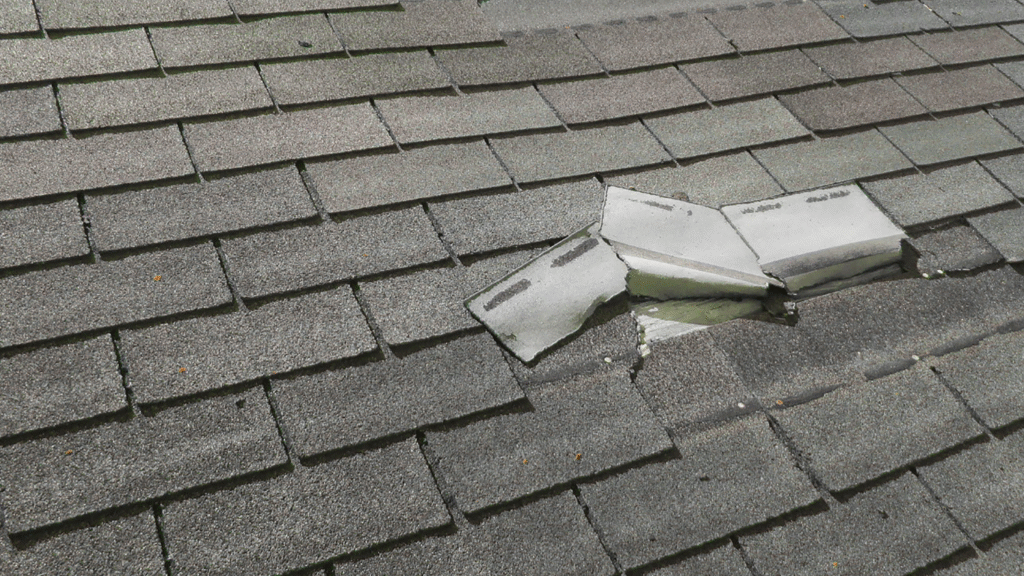
- Slightly lifted or cracked shingles
- Minor punctures from hail that haven’t yet caused leaks
- Moisture trapped beneath the underlayment
- Subtle shifts in roofing materials are affecting drainage
- Damage to roof vents or flashing that isn’t visible from ground level
These issues may seem minor at first, but they can escalate into mold growth, water intrusion, and even structural weakening.
Common Causes of Hidden Storm Roof Damage
Missouri homeowners face a variety of weather conditions that can lead to hidden storm roof damage. Here’s a breakdown of the most common culprits:
Hailstorms : Hail doesn’t have to be baseball-sized to cause problems. Even small hailstones can create small cracks or soft spots in shingles, bruise the protective granules, or dent flashing and vents. These signs of hidden storm roof damage often go unnoticed without a close inspection.
Wind Gusts : Wind can lift shingles just enough to break the seal or allow water to sneak underneath. While the shingles may settle back into place, the compromised seal can lead to long-term moisture penetration and rot.
Heavy Rain : Excessive rain may not break materials, but it can expose weak points, wash away granules, or overwhelm drainage systems. If water seeps in without immediate signs like dripping ceilings, you might be dealing with hidden storm roof damage.
Snow and Ice : Winter storms can build up ice dams that trap water on the roof. The pressure and standing moisture can sneak into layers of the roof deck, causing damage you won’t notice until spring.
Why Hidden Storm Roof Damage Matters
Ignoring hidden storm roof damage doesn’t make it go away—it just delays inevitable, and often more expensive, repairs. Damage that starts beneath the surface can:
- Compromise your home’s insulation and energy efficiency
- Encourage mold and mildew growth
- Lead to sagging, leaks, and rot
- Void your roofing warranty if left untreated
- Decrease your home’s resale value
The longer you wait to identify and address hidden storm roof damage, the more likely it is to evolve into a costly structural problem.
How to Spot Hidden Storm Roof Damage
Since you often can’t see hidden storm roof damage from the ground, proactive inspection is key. Here are some signs and strategies that homeowners should be aware of:
- Look Inside the Attic
After a storm, head into the attic with a flashlight. Look for:
- Damp or stained wood
- Visible mold
- Signs of animal intrusion
- Drafts or light coming through the roof
These could be clues that hidden storm roof damage is letting moisture or air inside.
- Check Your Ceiling and Walls : Water spots, bubbling paint, or discolored patches on ceilings or upper walls may point to leaks. These might have started from minor hidden storm roof damage and slowly made their way through the insulation and drywall.
- Inspect Roofing Components : Look at your gutters, vents, and flashing. Bent or misaligned flashing, dented vents, or granule buildup in gutters are telltale signs that your roof took a hit.
- Watch for Unexplained Energy Bill Spikes : If your HVAC usage hasn’t changed but your utility bills climb, it could be due to hidden storm roof damage that has compromised your insulation or ventilation system.
- Get a Professional Inspection : The best way to uncover hidden storm roof damage is through a thorough inspection by a licensed roofer. Professionals can detect problems early using tools and techniques that homeowners don’t have access to.
What a Professional Roof Inspection Involves
At FM Roofing, our inspections for hidden storm roof damage are detailed and strategic. Here’s what we do:
- Check for shingle displacement or bruising
- Examine flashing and sealant integrity
- Inspect gutters for debris or granule buildup
- Look for water penetration in the attic and decking
- Use moisture meters to detect hidden leaks
By using advanced tools and years of local experience, we can identify hidden storm roof damage before it creates visible harm to your home.
Demand is rising as storms, aging homes, and energy upgrades drive repairs and replacements across residential and commercial markets.
How to Prevent Hidden Storm Roof Damage
While you can’t control the weather, you can reduce your risk of long-term issues by taking a few key steps:
- Schedule Regular Inspections: Even if there hasn’t been a major storm, regular checkups help detect wear and tear early. After any severe storm, it’s smart to schedule a post-storm inspection to rule out hidden storm damage.
- Trim Nearby Trees: Overhanging branches can cause impact damage during high winds. Falling limbs or constant debris can lead to punctures or trapped moisture, both common sources of hidden storm roof damage.
- Clean Your Gutters : Clogged gutters lead to standing water and overflow, which can weaken roof edges and fascia. Keeping gutters clear helps avoid moisture-related hidden storm damage.
- Invest in Impact-Resistant Shingles : While no roofing material is entirely storm-proof, some are designed to better withstand hail and wind, reducing the likelihood of hidden storm roof damage.
- Keep Records for Insurance : If your roof ever suffers storm damage, having pre-storm photos and inspection records can help support your insurance claim. This is especially important when filing for hidden storm roof damage that develops over time.
Filing an Insurance Claim for Hidden Storm Roof Damage
Many homeowners don’t realize they can file a claim for hidden storm roof damage. If you suspect your roof is compromised:
- Contact FM Roofing for a professional inspection and report
- Take photos of all visible interior and exterior signs of damage
- Review your homeowners’ insurance policy
- File your claim with the documentation provided by our team
Insurance adjusters may not always spot hidden storm roof damage without clear evidence. That’s why our detailed reports and expert assessments are crucial.
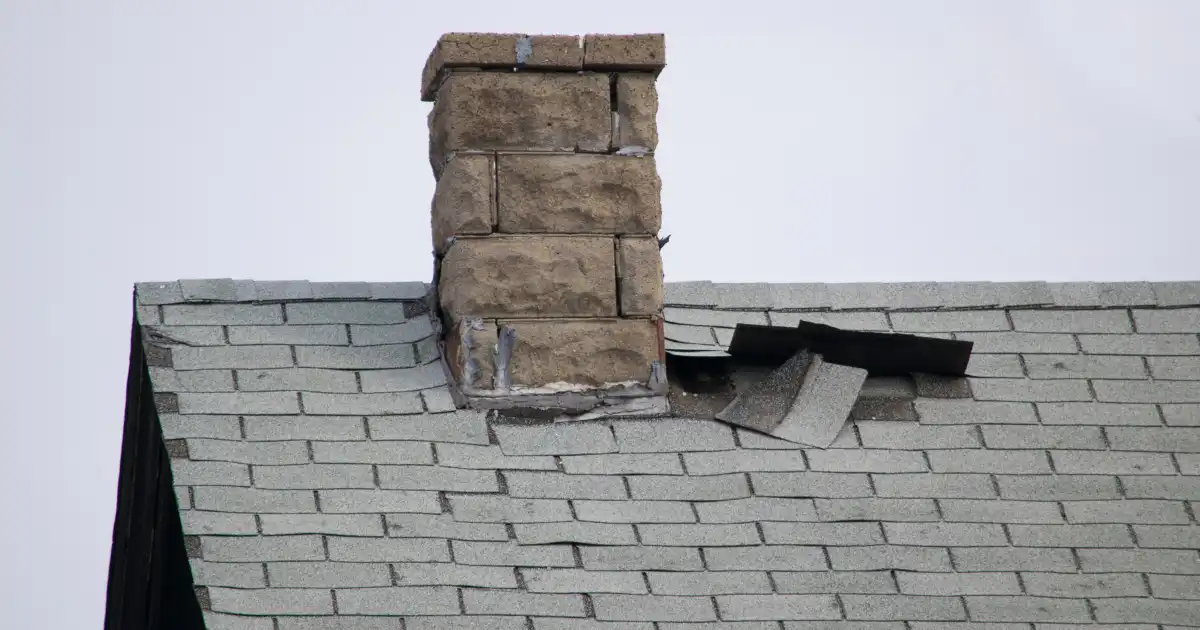
Should You Repair or Replace a Storm-Damaged Roof?
It depends on the extent and type of hidden storm roof damage. Minor damage might only require localized repair. But if the integrity of the roof is compromised, full replacement could be more cost-effective in the long run.
At FM Roofing, we assess each case carefully and help homeowners decide based on:
- Roof age
- Type of materials
- Cost of recurring repairs vs. replacement
- Insurance coverage
We’ll never recommend replacement unless it’s truly necessary—and we’ll walk you through all your options.
Why FM Roofing Is Your Trusted Partner in Missouri
For decades, FM Roofing has helped homeowners across Missouri protect their property from the lasting effects of hidden storm roof damage. Our licensed professionals are trained to detect, document, and resolve even the most subtle damage caused by hail, wind, or rain.
We prioritize your safety, your home’s value, and your peace of mind.
Whether you’re dealing with recent storm damage or just want a routine checkup, you can count on us for honest guidance, professional work, and local experience.
Final Thoughts on Hidden Storm Roof Damage
Storms may be short, but their damage can be long-lasting. Hidden storm roof damage is often invisible to the untrained eye, making professional inspections essential for any homeowner. The key is to act early, even if everything looks fine. Protect your investment, prevent future headaches, and rest easier by scheduling a professional inspection today.
Need help? Contact us today
FAQs
1. What is hidden storm roof damage?
Hidden storm roof damage refers to roofing problems caused by storms that aren’t visible from the ground. This includes loosened shingles, cracked flashing, punctured underlayment, or moisture intrusion beneath the roof surface. These issues can quietly worsen over time if not professionally inspected.
2. How can I tell if my roof has hidden storm damage?
You may notice indirect signs like water stains on ceilings, peeling paint, higher energy bills, or musty odors in your attic. Missing granules in gutters and uneven shingles are also warning signs. A professional roof inspection is the most reliable way to detect hidden storm damage.
3. Why is hidden storm roof damage serious?
Hidden storm damage is serious because it allows water to penetrate your roofing system without obvious signs. Over time, this can lead to mold growth, wood rot, insulation damage, and structural issues. Ignoring hidden damage often results in expensive repairs or premature roof replacement.
4. Does insurance cover hidden storm roof damage?
In many cases, homeowners insurance does cover hidden storm roof damage caused by covered events like hail or wind. However, coverage depends on proper documentation, timely inspections, and policy details. A professional roofing inspection helps identify damage early and supports accurate insurance claims.
5. How can FM Roofing help?
FM Roofing provides thorough storm damage inspections, identifies hidden roof issues, and documents everything for insurance purposes. Our experienced team helps homeowners understand their damage, navigate the claims process, and complete high-quality repairs or replacements to restore full roof protection.