With rising energy costs and increasing interest in sustainable living, more homeowners in Missouri are exploring solar energy solutions. Installing solar panels is a smart investment that reduces utility bills, increases property value, and helps the environment. But before beginning the installation process, one critical factor must be addressed: solar panel roof compatibility.
At FM Roofing, we guide homeowners through the complexities of pairing solar systems with their existing roof structures. Not every roof type is equally suitable for solar panels, and understanding how compatibility works ensures your investment delivers maximum benefits.
What Does Solar Panel Roof Compatibility Mean?
Solar panel roof compatibility refers to how well your roofing material, slope, orientation, and structural strength support solar installation. A compatible roof allows panels to be installed securely, operate efficiently, and remain durable for decades.
Key factors include:
- Roofing material type
- Roof pitch (steepness)
- Roof age and condition
- Sun exposure and shading
- Load-bearing capacity
FM Roofing evaluates all these aspects during an inspection to ensure a smooth installation process.
Common Roof Types and Their Compatibility with Solar Panels
Asphalt Shingle Roofs
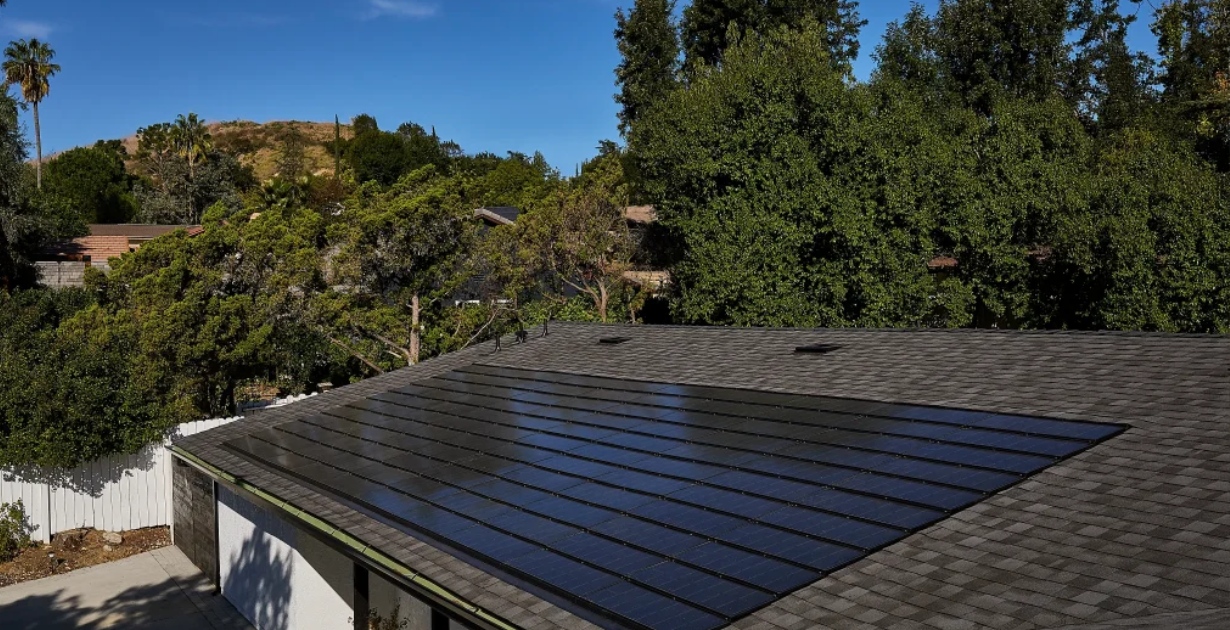
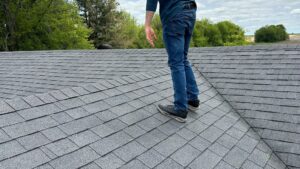
Asphalt shingles are the most common residential roofing material in Missouri. They offer excellent solar panel roof compatibility due to their flat surface, ease of installation, and widespread use. Mounting hardware attaches securely without compromising the roof’s integrity when installed properly.
Metal Roofs
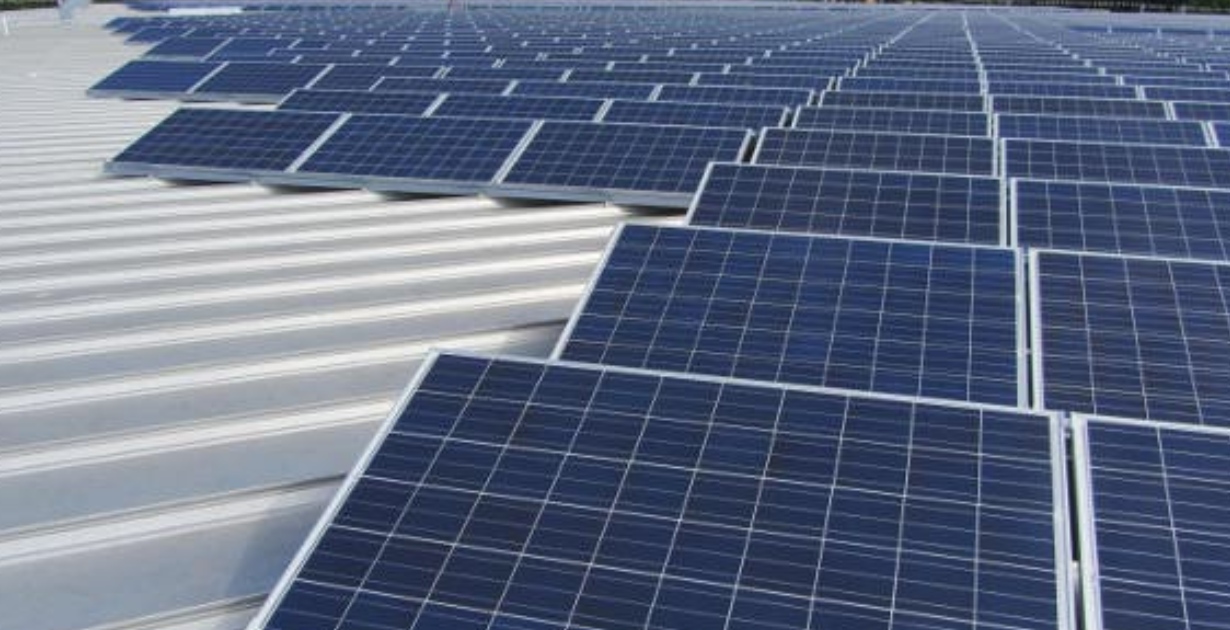 Metal roofing, especially standing seam metal, is highly compatible with solar panels. Brackets can be attached directly to the seams without drilling holes, making it one of the best choices. The long lifespan also aligns with the 25–30 year life of solar panels.
Tile Roofs
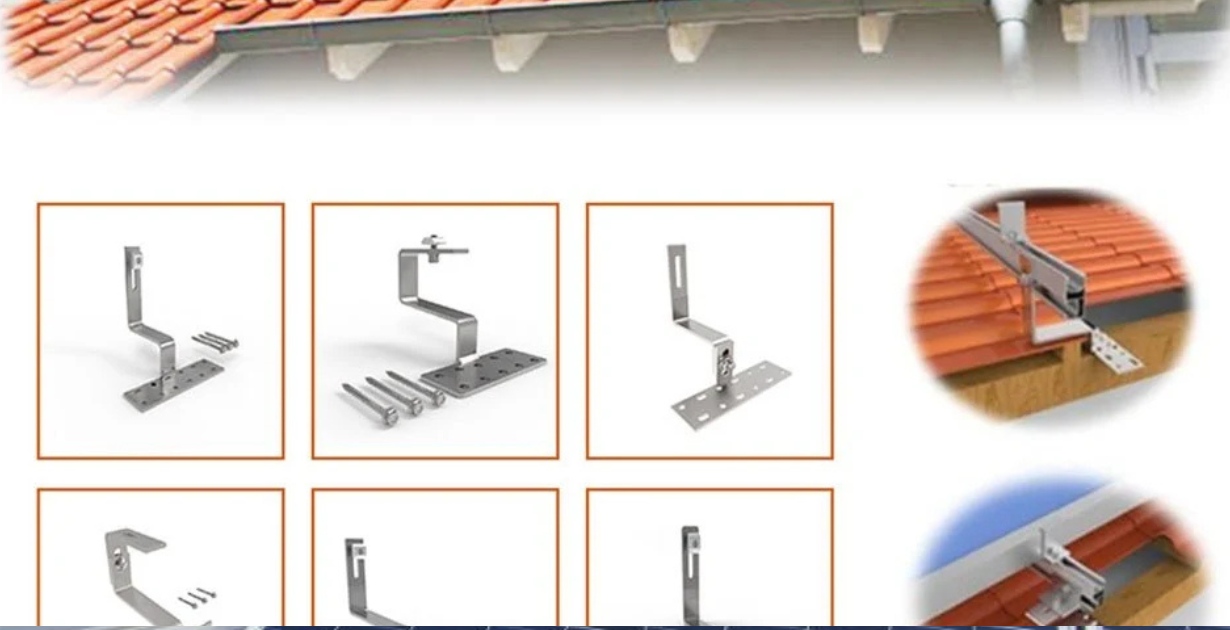
Clay or concrete tiles look beautiful but can complicate installation. These materials are more fragile, so solar panel roof compatibility requires careful handling and specialized solar panel roof mounting hardware. FM Roofing may suggest removing and replacing tiles under mounting points to prevent breakage.
Flat Roofs
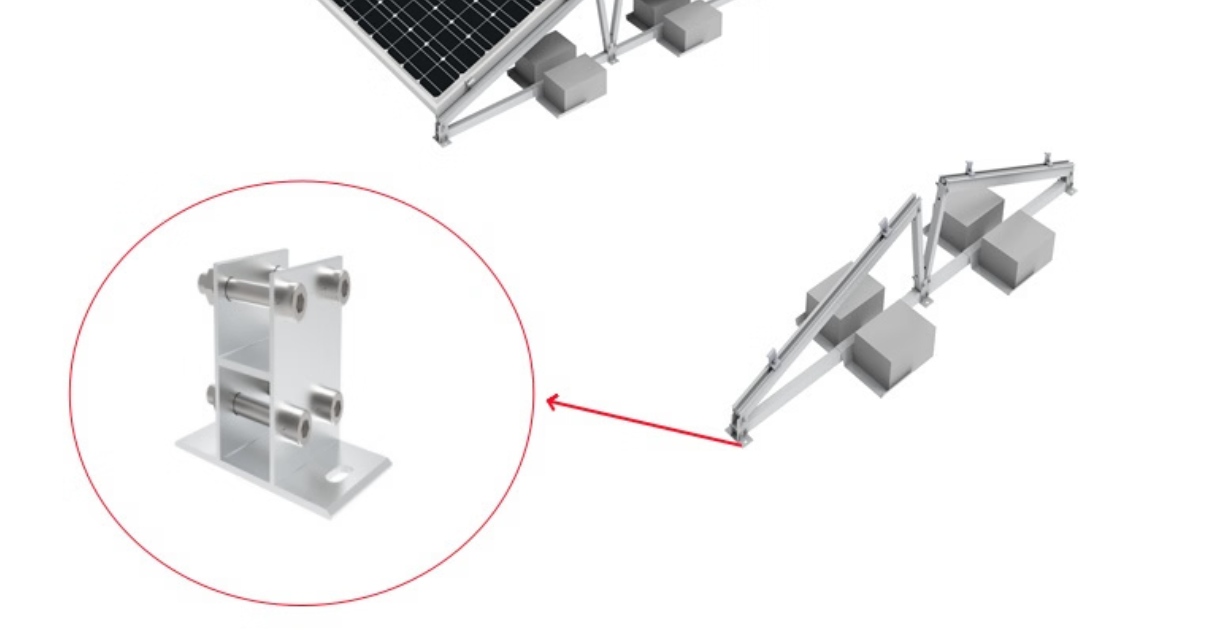
Flat roofs present unique challenges. While they lack ideal slope, adjustable solar panel roof mounting systems allow installers to tilt panels correctly. Compatibility depends on ensuring:
- Proper drainage
- Additional roof reinforcement
- Secure ballast or solar panel roof mounting systems
Wood Shake Roofs
Wood shake roofs are less compatible with solar panels. Uneven surfaces and fire risks reduce suitability. FM Roofing often recommends replacement before solar installation.
Roof Age and Condition
Even if your roof material is suitable, its age and condition matter. A roof nearing the end of its lifespan is not ideal for solar installation. FM Roofing evaluates whether your roof has 15–20 years of life left before recommending solar.
Orientation and Pitch
Solar panel efficiency depends heavily on orientation and pitch. In Missouri, south-facing roofs offer the strongest sunlight exposure throughout the day, making them ideal for energy production. A roof pitch between 30–45 degrees also provides the optimal angle for capturing sunlight. Understanding how these elements work together is essential for maximizing solar panel roof compatibility and ensuring the best system performance.
Structural Considerations
Solar panels add extra weight to your roof, and while most modern roofs are designed to handle this load, older homes may need reinforcement. FM Roofing evaluates the complete structural system, including rafters, trusses, and roof decking, to confirm they can safely support a solar installation. This careful inspection ensures long-term stability and prevents structural issues after the panels are installed.
Challenges That Affect Solar Panel Roof Compatibility
Several conditions can reduce how well your roof supports solar panels. Heavy shading from trees or nearby structures may block sunlight, while weak or damaged roofing materials can interfere with secure installation. Limited roof space or poor ventilation beneath the panels can also create performance and durability issues. Addressing these challenges early helps achieve proper compatibility and long-term system efficiency.
Benefits of a Compatible Roof for Solar Panels
A fully compatible roof provides multiple long-term advantages. Homeowners enjoy lower energy bills, higher property value, and an extended lifespan for both the roof and the solar panels. A compatible roof reduces maintenance concerns and delivers a strong return on investment. FM Roofing highlights the importance of confirming compatibility before installation to protect your solar investment.
Preparing Your Roof for Solar Panels
Homeowners can take several steps to improve solar compatibility. Scheduling a professional roof inspection helps identify issues early, while repairing or replacing damaged materials ensures a stable foundation for installation. Clearing overhanging tree branches improves sunlight exposure, and reinforcing the roof structure when necessary enhances safety and durability. These steps prepare your home for a smooth and successful solar ready roofing installation.
Working with Experienced Installers
Not all contractors have expertise in both roofing and solar, which is why partnering with FM Roofing is beneficial. Our team provides detailed roof assessments, accurate compatibility evaluations, and clear repair recommendations when needed. We also coordinate with solar specialists to ensure the installation is safe, efficient, and tailored to your roof type. This professional approach helps protect both your home and your investment.
Long-Term Maintenance Considerations
After solar installation, ongoing maintenance is essential to keep the system operating efficiently. Regular inspections help prevent leaks, ensure solar panel roof mounting hardware remains secure, and maintain overall system performance. Poor maintenance can gradually reduce solar panel roof compatibility, leading to efficiency loss or potential damage. Consistent upkeep extends the lifespan of both your roof and the panels.
Missouri Weather and Solar Roofs
Missouri faces hail, snow, strong winds, and heavy rains, and your roof must withstand these conditions while supporting solar-ready roofing panels. FM Roofing evaluates critical weather-related factors such as hail impact resistance, snow load capacity, and wind uplift strength to ensure your roof can handle local climate demands. These considerations help maintain stability and long-term system reliability.
Signs Your Roof May Not Be Ready for Solar
Certain warning signs indicate your roof is not ready for a solar installation. Curling or cracked shingles suggest aging or damage, while sagging rooflines may signal structural issues. Persistent leaks and visible deterioration also point to weakened areas that cannot support solar panels. When these signs appear, FM Roofing recommends performing repairs or replacing the roof before moving forward with installation.
Financing and Value Considerations
A properly installed solar ready roofing system increases home value. But poor compatibility can lead to expensive issues later.
FM Roofing helps homeowners choose affordable upgrades that support long-term performance.
Why Choose FM Roofing?
FM Roofing specializes in evaluating and preparing Missouri roofs for solar installation. Our expertise ensures:
- Accurate assessments
- Honest guidance
- Compatibility across all roof types
- Local climate-specific recommendations
Your investment is protected from day one. follow us o Facebook.
Conclusion
Solar energy is one of the smartest investments for Missouri homeowners. But success starts with the roof, not the panels. Understanding solar panel roof compatibility ensures a safe, efficient, and long-lasting installation. With FM Roofing as your partner, you’ll gain confidence knowing your roof is prepared, protected, and ready for clean energy.
Frequently Asked Questions (FAQ)
1. What makes a roof compatible with solar panels?
Roof material, age, pitch, shading, and structural strength all determine compatibility.
2. Do I need to replace my roof before installing solar panels?
Only if your roof has less than 15 years of life left or shows signs of damage.
3. Which roof type works best with solar panels?
Asphalt shingles and standing-seam metal roofs generally offer the best compatibility.
4. Can solar panels be installed on flat roofs?
Yes. Tilt solar panel roof mounting and ballast systems make flat roofs suitable for solar.
5. What if my roof has shading issues?
Tree trimming or solar redesign can help. FM Roofing evaluates shading during inspection.
6. Does Missouri weather affect solar systems?
Yes. Panels must withstand hail, wind, and snow. Proper installation ensures durability.