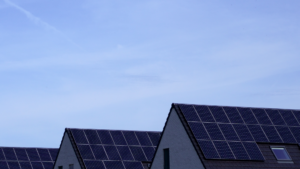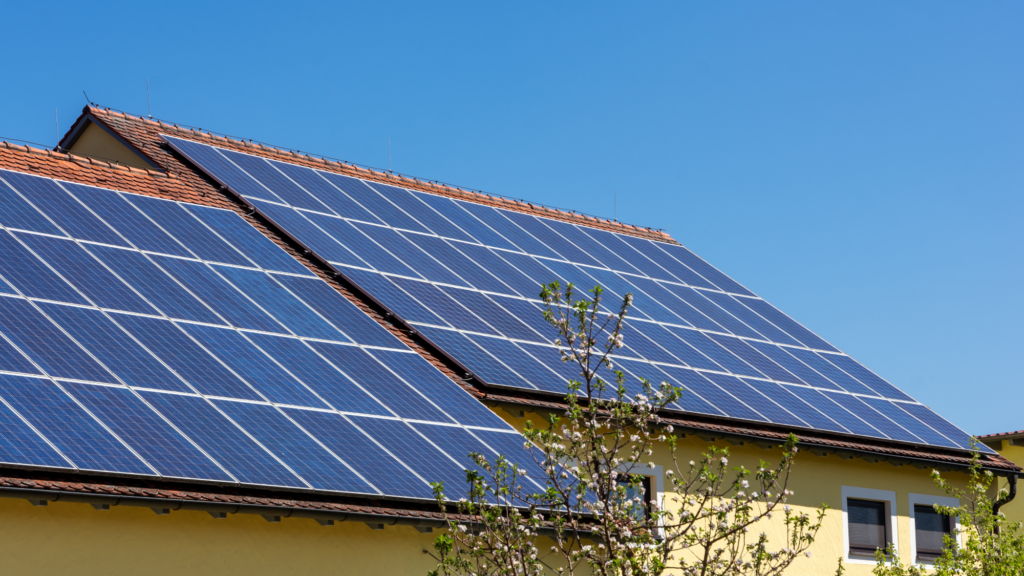
Solar energy can be a valuable home improvement for Missouri homeowners looking for ways to generate electricity from renewable energy. With plenty of sunny days throughout the year, rooftop solar can be an attractive option for many residential properties. However, homeowners should understand that solar panels operate in changing weather and seasonal conditions, and these conditions can influence how much electricity a system produces.
Understanding solar panel efficiency Missouri climate conditions is important when planning a rooftop solar installation. Missouri experiences hot summers, cold winters, storms, changing cloud cover, rainfall, snow, humidity, and seasonal changes in daylight. Each of these factors can affect solar production in different ways.
The roof itself also plays an important role. Solar panels are mounted on a roofing system that must remain structurally sound and weather-resistant throughout the life of the installation. Roof age, condition, pitch, orientation, ventilation, and available space should all be considered before solar panels are installed.
Understanding Solar Panel Efficiency in Missouri
Solar panel efficiency refers to how effectively a solar panel converts available sunlight into electricity.
Efficiency is influenced by the technology of the panel, sunlight intensity, temperature, shading, orientation, system design, and other conditions.
The term solar panel efficiency Missouri climate refers to understanding these factors specifically within Missouri’s changing weather and seasonal environment.
Missouri homeowners should understand that solar panels do not produce exactly the same amount of electricity every day. Production can vary depending on the amount of sunlight available.
A sunny summer day may provide very different production conditions from a cloudy winter day. This variation is normal and should be considered when evaluating a solar system.
Missouri’s Seasonal Climate Affects Solar Production
Missouri experiences four distinct seasons, and each season can present different conditions for rooftop solar.
Summer generally provides longer daylight hours, although high temperatures can influence panel performance. Spring and fall can provide favorable combinations of moderate temperatures and sunlight, although storms and cloud cover may affect daily production.
Winter brings shorter daylight hours and colder temperatures. Snow or ice may temporarily cover panels, while overcast conditions can reduce available sunlight.
Understanding solar panel efficiency Missouri climate conditions requires looking at the entire year rather than focusing on a single season.
A properly designed solar system should be evaluated based on expected annual production rather than assuming that every month will provide identical results.
Temperature Can Influence Solar Panel Performance
Many homeowners assume that hotter weather automatically makes solar panels work better because there is more sunlight.
However, solar panels generally perform more efficiently at moderate temperatures than under excessive heat.
The sunlight provides the energy needed to generate electricity, while elevated panel temperatures can reduce electrical output from many photovoltaic technologies.
Missouri’s hot summer days can therefore create different operating conditions from those found during cooler spring or fall weather.
This is one reason solar panel efficiency Missouri climate planning should consider both sunlight availability and temperature.
The roof can also become extremely warm during summer. Proper roofing and solar installation practices should account for ventilation and the physical relationship between the panels and roof surface.
Cold Weather Does Not Automatically Stop Solar Production
Cold temperatures do not mean solar panels stop working.
In fact, photovoltaic panels can operate efficiently in cooler temperatures when sufficient sunlight is available.
The primary challenge during Missouri winters is often the combination of shorter daylight hours, lower sun angles, cloud cover, and potential snow or ice accumulation.
If sunlight reaches the panels, they can continue generating electricity even during cold weather.
This is an important part of understanding solar panel efficiency Missouri climate, because homeowners should not assume that winter automatically means solar panels are ineffective.
Snow and Ice Can Temporarily Reduce Solar Production
Snow can cover solar panels and block sunlight.
The effect depends on the amount of snow, panel angle, weather conditions, and how quickly the snow clears.
A light dusting may melt or slide away relatively quickly under suitable conditions. Heavier accumulation can remain longer and temporarily reduce electricity production.
Homeowners should avoid climbing onto the roof to remove snow from solar panels unless specifically trained and equipped to do so.
Professional guidance is preferable when snow or ice creates a concern.
Roof design and pitch also influence how snow and water behave around rooftop equipment.
Cloudy Weather Still Allows Some Solar Generation
Solar panels do not require completely clear skies to generate electricity.
Cloud cover reduces the amount of direct sunlight reaching the panels, but some sunlight can still reach the system through clouds.
As a result, a cloudy Missouri day may still produce electricity, although output can be lower than on a bright, sunny day.
This is another reason homeowners should evaluate solar panel efficiency Missouri climate based on annual performance rather than assuming that occasional cloudy days make solar impractical.
The important question is how the system performs across the full range of expected weather conditions.
Missouri Storms Can Affect Rooftop Solar
Missouri is known for changing weather and can experience strong storms, high winds, hail, heavy rainfall, and other severe conditions.
A rooftop solar installation must therefore be designed and installed with local weather exposure in mind.
The solar panels themselves need secure mounting, while the roof beneath them must remain capable of protecting the home from water intrusion.
After a significant storm, homeowners should watch for visible signs of roof damage or changes in solar system performance.
A professional inspection may be appropriate if damage is suspected.
Roof Condition Is Important Before Installing Solar Panels
Solar panels are intended to remain in place for many years.
Installing them on a roof that is already nearing the end of its useful life can create future complications.
If the roof needs replacement shortly after solar installation, the solar panels may need to be removed and reinstalled.
This can add labor, scheduling challenges, and expense.
For homeowners considering solar panel efficiency Missouri climate, roof condition should therefore be part of the initial planning process.
A professional roof inspection can help identify whether repairs or replacement should be considered before solar installation.
Roof Age and Solar Investment Should Be Considered Together
The age of the roofing system matters because solar panels and roofing materials have different service expectations.
A newer roof may provide a better foundation for a new solar installation because homeowners can potentially avoid major roofing work for many years.
An older roof may still be usable, but its condition should be evaluated carefully.
If significant deterioration is present, replacing or restoring the roof before installing solar panels may be more practical.
This type of planning can help protect the homeowner’s investment and reduce the chance of future disruption.
Roof Orientation Can Influence Solar Performance
The direction a roof faces can affect how much sunlight solar panels receive.
A professional solar assessment can evaluate roof orientation, roof pitch, shading, and available surface area to determine where panels can be placed.
Missouri homeowners should not assume that every section of a roof will produce the same amount of electricity.
Chimneys, vents, nearby buildings, and trees can create shade at different times of the day.
When evaluating solar panel efficiency Missouri climate, homeowners should consider how seasonal sun angles affect shading and solar exposure.
Roof Pitch Can Affect Solar Panel Placement
Roof pitch is another factor that can influence solar installation.
Different roof slopes can affect panel positioning, installation methods, water drainage, and access.
A steep roof can also create additional safety considerations during installation and maintenance.
The solar system should be designed around the characteristics of the existing roof rather than forcing equipment into unsuitable locations.
Roofing and solar professionals can coordinate to identify appropriate installation areas.
Shading Can Reduce Solar Production
Shade is one of the most important factors homeowners should consider before installing solar panels.
Trees, neighboring structures, chimneys, dormers, and other roof features can block sunlight.
Even partial shading can affect the output of individual panels and, depending on system design, potentially influence overall production.
Homeowners should consider both current and future shading.
For example, a tree that is currently short may eventually grow large enough to shade part of the solar array.
Proper planning can help homeowners better understand solar panel efficiency Missouri climate conditions on their specific property.
Missouri Humidity and Rainfall Require Roof Maintenance
Rainfall is part of Missouri’s climate and can contribute to moisture exposure around the roofing system.
A properly installed roof should direct water away from the structure through appropriate drainage systems.
Solar panels should not interfere with the roof’s ability to shed water.
Flashing, roof penetrations, valleys, gutters, and other drainage components should remain in good condition.
Regular roof maintenance can help protect the roofing system beneath and around the solar installation.
Roof Ventilation Should Be Preserved
Attic ventilation helps manage heat and moisture in many residential roofing systems.
Solar panel installation should be planned so that important ventilation components remain functional.
Ridge vents, soffit vents, and other ventilation features should be considered when determining panel placement.
Improperly positioned equipment can create maintenance or performance concerns.
When homeowners evaluate solar panel efficiency Missouri climate, they should consider the complete roofing system rather than focusing only on the panels.
Solar Panels Can Provide a Layer of Roof Coverage
Solar panels can cover portions of the roof and may provide some shielding from direct sunlight and weather exposure.
However, homeowners should not consider solar panels a replacement for roofing materials.
The roof beneath the panels still needs to remain weather-resistant.
If roofing materials deteriorate, the solar panels may eventually need to be removed so the roof can be repaired or replaced.
Proper installation and regular inspection remain important.
Solar Installation Requires Proper Roof Penetration Management
Some solar mounting systems require attachment points through the roofing system.
These penetrations must be properly sealed and flashed.
Poor installation can create opportunities for water intrusion.
A leak may not become visible immediately, so homeowners should monitor the roof after installation and address signs of water intrusion promptly.
Professional coordination between the solar installer and roofing contractor can help reduce installation-related roofing problems.
Roof Drainage Must Remain Clear
Water must be able to move off the roof efficiently.
Gutters, downspouts, valleys, drains, and other components should remain clear and functional.
Solar equipment should be planned so that it does not interfere with drainage.
Leaves and debris can accumulate around rooftop equipment, particularly in areas surrounded by mature trees.
Routine roof and gutter maintenance can help protect the overall system.
Maintenance Can Support Long-Term Solar Performance
Solar panels generally require less maintenance than many mechanical home systems, but homeowners should still monitor them.
Dirt, leaves, bird activity, snow, and other debris can reduce the amount of sunlight reaching the panel surface.
Roof maintenance is equally important.
A problem with flashing, roofing materials, drainage, or penetrations can affect the property even if the solar panels themselves continue functioning.
A complete maintenance approach should therefore include both the solar equipment and the roofing system.
Missouri Weather Makes Professional Installation Important
Local weather conditions should be considered when designing and installing rooftop solar.
A professional installer can evaluate the roof’s exposure to wind, available sunlight, shading, and other site conditions.
The mounting system should be appropriate for the roofing material and properly secured.
For homeowners researching solar panel efficiency Missouri climate, installation quality is just as important as selecting efficient equipment.
A well-designed system should be matched to the property rather than treated as a one-size-fits-all installation.
Solar Panels and Roof Replacement Require Coordination
Eventually, every roofing system reaches a point where replacement or major restoration is necessary.
Homeowners with solar panels should plan for this possibility.
If the roof requires replacement, solar panels and mounting equipment may need to be removed temporarily.
This is why roof age should be evaluated before solar installation.
If the roof is already approaching the end of its expected service life, homeowners may want to address roofing needs before adding a solar array.
Coordinating these improvements can help reduce future disruption.
Roof Inspections Help Protect Solar Investments
A roof inspection can provide homeowners with valuable information before and after solar installation.
Before installation, an inspection can identify existing roofing problems.
After installation, periodic inspections can help identify developing concerns around the roofing system.
An inspection may evaluate:
- Roofing material condition
- Flashing
- Roof penetrations
- Shingles or membrane
- Drainage
- Ventilation
- Signs of moisture
- Storm damage
- Areas around solar mounting points
For homeowners concerned about solar panel efficiency Missouri climate, maintaining the roof is an important part of protecting the entire investment.
Seasonal Solar Performance Should Be Viewed Annually
Homeowners should expect solar production to vary throughout the year.
Summer may provide long daylight hours but higher temperatures.
Winter can bring cooler operating temperatures but shorter days, lower sun angles, cloud cover, and occasional snow.
Spring and fall can provide different combinations of sunlight and temperature.
Rather than expecting consistent daily output, homeowners should evaluate the system based on expected annual performance.
This broader perspective provides a more realistic understanding of solar panel efficiency Missouri climate conditions.
Energy Monitoring Can Identify Changes in Performance
Many modern solar systems provide monitoring tools that allow homeowners to track electricity production.
Monitoring can help identify unusual changes in performance.
For example, if production suddenly falls compared with expected conditions, homeowners may want to investigate whether the cause is shading, equipment problems, debris, weather, or another issue.
A sudden decline should not automatically be blamed on the weather.
Professional solar or electrical service may be appropriate when system performance changes unexpectedly.
Trees and Landscaping Should Be Considered Long Term
Landscaping can change significantly over the life of a solar installation.
Trees grow, new structures may be built, and neighboring properties can change.
Homeowners should consider how these changes could affect sunlight exposure.
Routine tree maintenance can sometimes help preserve solar access while also protecting the roof from falling branches.
Large branches near the home can pose a risk during severe storms.
Keeping trees properly maintained can therefore support both solar production and roof protection.
Hail and Severe Weather Require Special Attention
Missouri homeowners should be aware of the potential for severe weather.
Hail can damage certain roofing materials and solar equipment, while strong winds can create additional risks.
After severe weather, homeowners should look for signs of damage without attempting to climb onto the roof themselves.
If there is evidence of a problem, a professional inspection can help determine the condition of the roof and solar installation.
Addressing damage promptly can help prevent a small problem from becoming a larger one.
Insurance and Warranty Information Should Be Organized
Homeowners with solar panels should keep documentation related to both the roofing system and solar equipment.
Important records may include:
- Solar installation documents
- Equipment information
- Manufacturer warranties
- Roofing warranties
- Inspection reports
- Repair records
- Maintenance documentation
- Storm damage records
Keeping these records organized can make future maintenance and repair decisions easier.
Homeowners should also understand the specific terms of their insurance policies and equipment warranties.
Combining Roofing Improvements With Solar Planning
Solar installation can be an opportunity to evaluate the overall condition of the home.
Homeowners may discover that the roof needs attention before solar equipment can be installed.
Addressing roofing concerns first can provide a more stable foundation for the solar project.
FM Roofing can help homeowners understand whether the existing roofing system appears ready for a long-term solar investment.
The goal is to coordinate improvements rather than allowing one project to create problems for another.
A Practical Solar Planning Checklist for Missouri Homeowners
Before installing rooftop solar, homeowners can consider the following:
Check the roof age.
Determine how much service life remains.
Schedule a professional roof inspection.
Identify leaks, damage, deterioration, and other concerns.
Evaluate roof orientation.
Determine which roof surfaces receive the most sunlight.
Review shading.
Consider trees, chimneys, neighboring buildings, and future landscaping growth.
Evaluate roof pitch.
Understand how the roof slope affects installation and maintenance.
Inspect ventilation.
Make sure important attic ventilation remains functional.
Review drainage.
Keep gutters, valleys, drains, and downspouts clear.
Consider weather exposure.
Plan for Missouri’s wind, storms, rain, heat, and winter conditions.
Coordinate roofing and solar professionals.
Make sure both systems are considered together.
Plan for future roof replacement.
Understand how solar panels would be handled when the roof eventually requires major work.
These steps can help homeowners make more informed decisions about rooftop solar.
FM Roofing Can Help Prepare Your Roof for Solar
At FM Roofing, we understand that a solar investment begins with the condition of the roof supporting it.
Missouri homeowners need roofing systems capable of handling changing weather conditions throughout the year. Before installing solar panels, it is important to know whether the roof is ready for a long-term improvement.
Our roofing professionals can evaluate the condition of the existing roofing system and identify areas that may require attention.
Whether you are planning rooftop solar, preparing for future solar installation, or simply maintaining your existing roof, professional roofing care can help protect your home.
A strong roofing foundation supports more than the house itself. It can also help protect the solar investment installed above it.
Final Thoughts on Solar Panel Efficiency in Missouri’s Climate
Understanding solar panel efficiency Missouri climate conditions is an important part of planning a successful rooftop solar system.
Missouri’s changing seasons create a variety of operating conditions for solar panels. Summer heat, winter temperatures, cloud cover, storms, snow, shading, and changing daylight hours can all influence electricity production.
However, solar panels can continue producing electricity under many different weather conditions. Homeowners should evaluate solar performance over the course of an entire year rather than judging the system based on individual days or seasons.
The roof is equally important. Before installing solar panels, homeowners should evaluate roof age, condition, structure, pitch, orientation, ventilation, drainage, and remaining service life.
A roof that is already approaching replacement age may require attention before solar installation. Properly installed mounting systems, carefully protected penetrations, and regular roof maintenance can also help protect the home over time.
For homeowners considering solar panel efficiency Missouri climate factors, the most useful approach is to look at the entire system: the solar panels, roof, electrical equipment, property conditions, weather exposure, and long-term maintenance requirements.
A well-maintained roof and professionally planned solar system can work together to support a more efficient and resilient home energy strategy.