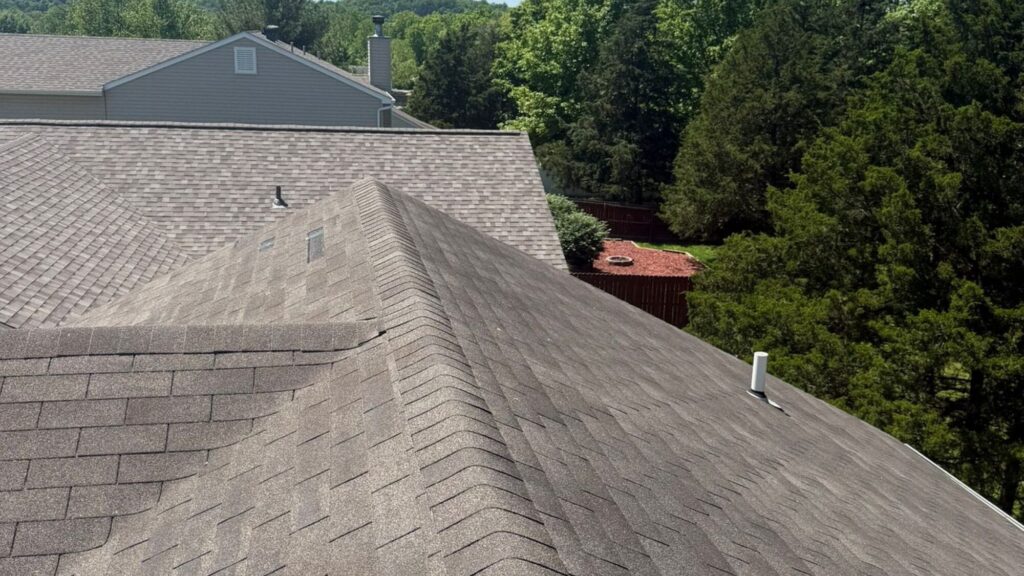
When it’s time for a roof replacement, homeowners are often surprised to learn that there may be more than one way to install a new roof. While many people assume every roofing project begins with removing the old roof, that’s not always the case. Depending on the condition of the existing roof, local building codes, and other factors, homeowners may have the option to choose between a complete tear-off or a roof-over installation.
Understanding the differences between these two methods is essential when making a roofing investment. While both approaches can provide a new layer of protection for your home, they vary significantly in cost, lifespan, performance, and long-term value. Comparing roof tear off vs overlay options allows homeowners to make informed decisions that align with their budget, goals, and the condition of their roofing system.
At FM Roofing, we believe homeowners should understand every aspect of their roofing project before making a decision. In this comprehensive guide, we’ll explore the key differences between tear-offs and overlays, discuss the advantages and disadvantages of each method, and help you determine which option may be best for your home.
What Is a Roof Tear-Off?
A roof tear-off involves completely removing the existing roofing materials down to the roof deck before installing a new roofing system.
During a tear-off project, contractors remove:
- Existing shingles
- Underlayment
- Flashing when necessary
- Damaged roofing components
Once the old materials are removed, the roof deck can be inspected for damage and repaired as needed before new roofing materials are installed.
When comparing roof tear off vs overlay, a tear-off is generally considered the more comprehensive roofing solution.
What Is a Roof Overlay?
A roof overlay, sometimes called a roof-over, involves installing a new layer of shingles directly over the existing roof.
Instead of removing old roofing materials, contractors place new shingles on top of the existing layer.
This approach reduces labor, disposal costs, and installation time.
When discussing roof tear off vs overlay, homeowners are often attracted to overlays because of the lower initial cost.
Why Homeowners Compare Roof Tear Off vs Overlay
The decision between these two roofing methods often comes down to balancing short-term savings with long-term performance.
Homeowners commonly consider:
- Project cost
- Roof condition
- Home value
- Installation timeline
- Future maintenance expenses
- Long-term durability
Understanding the differences between roof tear off vs overlay helps homeowners avoid costly surprises after installation.
The Roof Tear-Off Process
A tear-off project follows several important steps.
Removal of Existing Roofing
All existing shingles and roofing materials are removed.
Roof Deck Inspection
The exposed decking is carefully evaluated.
Contractors check for:
- Rot
- Water damage
- Structural weaknesses
- Soft spots
Deck Repairs
Damaged decking is repaired or replaced before installation continues.
Installation of New Roofing System
New underlayment, flashing, and shingles are installed according to manufacturer specifications.
The thorough nature of this process is one reason many contractors recommend a tear-off when evaluating roof tear off vs overlay options.
The Roof Overlay Process
An overlay installation involves fewer steps.
Existing Roof Inspection
The existing roof is evaluated to determine whether it can support another layer.
Minor Repairs
Limited repairs may be performed before installation.
New Shingle Installation
A second layer of shingles is installed directly over the existing roof.
The simplified process often results in lower labor costs.
However, homeowners considering roof tear off vs overlay should understand that overlays have certain limitations.
Advantages of a Roof Tear-Off
A tear-off provides several significant benefits.
Complete Roof Evaluation
Removing old materials allows contractors to inspect the entire roofing structure.
Hidden problems become visible and can be repaired.
Improved Longevity
New roofing materials are installed on a clean, solid foundation.
This often contributes to a longer roof lifespan.
Better Appearance
Tear-offs generally produce a smoother, more uniform finished appearance.
Enhanced Performance
New roofing systems perform more effectively when installed directly on properly prepared decking.
Many roofing professionals favor tear-offs when discussing roof tear off vs overlay because they address underlying issues rather than covering them.
Advantages of a Roof Overlay
Roof overlays offer certain benefits as well.
Lower Upfront Cost
Because labor and disposal costs are reduced, overlays are often less expensive initially.
Faster Installation
Projects may be completed more quickly since old materials are not removed.
Reduced Waste
Fewer materials are sent to landfills.
Less Immediate Disruption
The installation process may involve less noise and debris.
For budget-conscious homeowners, these benefits often make overlays attractive when evaluating roof tear off vs overlay options.
Disadvantages of a Roof Overlay
Although overlays offer short-term savings, they also present challenges.
Hidden Damage Remains Hidden
Existing roof problems may remain concealed beneath the new shingles.
Added Weight
A second layer of roofing materials increases the load on the roof structure.
Shorter Lifespan
Overlays often do not last as long as roofs installed after a complete tear-off.
Reduced Resale Appeal
Some buyers may view multiple roofing layers as a concern.
These factors are important considerations in any roof tear off vs overlay comparison.
Disadvantages of a Roof Tear-Off
Tear-offs also have potential drawbacks.
Higher Initial Cost
Labor and disposal expenses increase project costs.
Longer Installation Timeline
Removing old materials requires additional time.
More Temporary Exposure
During installation, the roof deck is briefly exposed before new materials are installed.
Despite these disadvantages, many homeowners find the long-term benefits outweigh the higher upfront investment.
Roof Deck Inspection: A Major Advantage of Tear-Offs
One of the most significant differences in the roof tear off vs overlay debate is access to the roof deck.
The roof deck serves as the foundation of the roofing system.
During a tear-off, contractors can identify:
- Rotting wood
- Moisture damage
- Structural issues
- Ventilation concerns
An overlay does not provide the same opportunity for inspection.
Structural Considerations
Every roof structure has load limitations.
Adding a second layer of shingles increases weight.
Factors that affect structural capacity include:
- Roof design
- Framing condition
- Existing roofing materials
- Local weather conditions
A professional roofing contractor can determine whether an overlay is structurally appropriate.
Building Code Considerations
Local building codes often regulate roof installations.
Some jurisdictions limit the number of roofing layers permitted on a home.
Before choosing between roof tear off vs overlay, homeowners should verify local requirements.
Professional roofing contractors typically ensure compliance with applicable codes.
Energy Efficiency Considerations
Energy performance is another factor worth evaluating.
A tear-off allows contractors to:
- Improve ventilation
- Upgrade underlayment
- Address insulation concerns
These improvements may enhance energy efficiency.
Although overlays can provide additional protection, they generally offer fewer opportunities for comprehensive system upgrades.
Roof Ventilation and Replacement Methods
Proper ventilation plays a critical role in roof performance.
Ventilation problems can contribute to:
- Heat buildup
- Moisture accumulation
- Mold growth
- Premature shingle aging
When comparing roof tear off vs overlay, tear-offs often provide better opportunities to improve ventilation systems.
Long-Term Maintenance Costs
Initial project cost is important, but homeowners should also consider future expenses.
A lower-cost overlay may eventually require:
- Earlier replacement
- Additional repairs
- More frequent maintenance
A tear-off often reduces the likelihood of hidden problems and may provide better long-term value.
Impact on Roof Lifespan
Roof lifespan varies depending on materials, installation quality, maintenance, and climate.
In many cases, roofs installed after a tear-off achieve longer service lives than overlays.
This is one reason roofing professionals frequently recommend tear-offs when evaluating roof tear off vs overlay options.
Home Value and Resale Considerations
Roof condition influences property value.
Potential buyers often appreciate:
- Recent roof replacements
- Proper documentation
- Single-layer roofing systems
A professionally completed tear-off may provide stronger resale benefits than an overlay.
Insurance Considerations
Insurance companies sometimes evaluate roofing systems differently based on installation methods.
Factors may include:
- Roof age
- Number of layers
- Condition of materials
- Replacement history
Homeowners should discuss roofing plans with their insurance provider when comparing roof tear off vs overlay options.
Storm Resistance and Performance
Weather resistance is a major concern for homeowners.
A roofing system installed after a tear-off may provide:
- Better shingle adhesion
- Improved underlayment performance
- Enhanced structural integrity
These advantages can improve resistance to wind-driven rain and severe weather.
When a Roof Overlay May Be Appropriate
An overlay may be suitable when:
- The existing roof is in relatively good condition
- Only one roofing layer is present
- The roof deck is believed to be sound
- Budget constraints are significant
- Local codes permit overlays
However, a professional inspection is essential before proceeding.
When a Tear-Off Is Usually Recommended
A tear-off is often the better choice when:
- Roof damage is extensive
- Leaks have occurred
- Decking issues are suspected
- Multiple roofing layers already exist
- Long-term value is a priority
Many contractors favor tear-offs because they provide a more complete roofing solution.
How Professional Inspections Help Homeowners Decide
Every roofing system is unique.
Professional inspections help identify:
- Existing damage
- Structural concerns
- Ventilation issues
- Remaining roof lifespan
This information helps homeowners make informed decisions regarding roof tear off vs overlay options.
Why Choose FM Roofing
At FM Roofing, we understand that roof replacement is a major investment. Our experienced team takes the time to evaluate every roofing system thoroughly and explain all available options.
Whether a homeowner is considering a complete tear-off or an overlay installation, we provide honest recommendations based on roof condition, long-term performance goals, and budget considerations. Our commitment to quality workmanship, transparent communication, and customer satisfaction helps homeowners make confident roofing decisions.
We believe every successful roofing project begins with accurate information and professional guidance.
Final Thoughts
Choosing between a tear-off and an overlay is one of the most important decisions homeowners face during a roof replacement project. While overlays may offer lower upfront costs and faster installation, tear-offs provide a more comprehensive approach that allows for structural inspections, repairs, and long-term performance improvements.
Understanding the differences between roof tear off vs overlay options helps homeowners evaluate costs, benefits, risks, and long-term value. By considering factors such as roof condition, lifespan expectations, energy efficiency, structural integrity, and future maintenance costs, homeowners can make the best decision for their property.
If you’re considering a roof replacement and would like expert guidance on roof tear off vs overlay options, contact FM Roofing today. Our experienced team is ready to provide professional inspections, honest recommendations, and quality roofing solutions designed to protect your home for years to come.