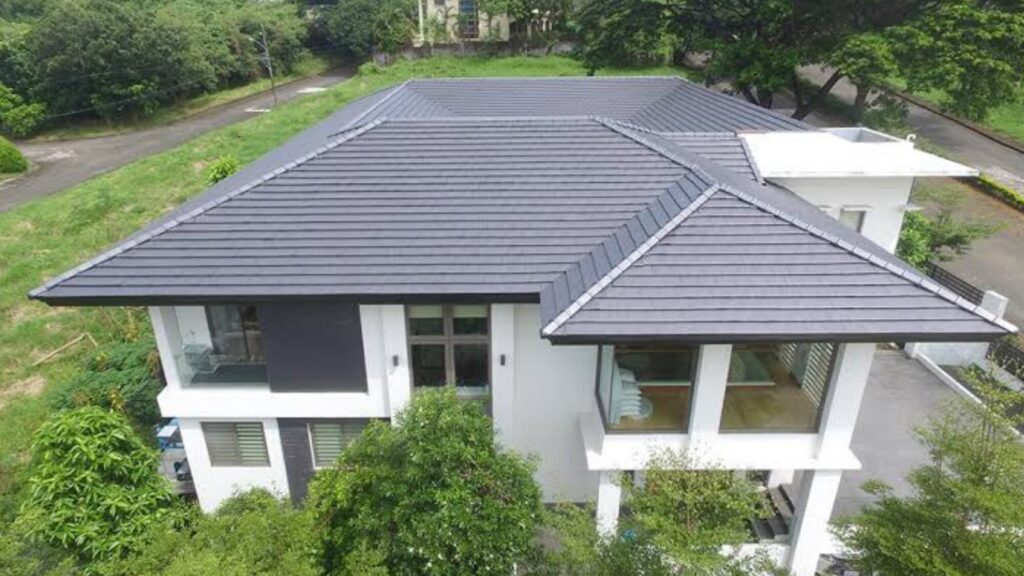
Your roof is one of the most important investments you’ll make as a homeowner. Beyond protecting your home from the elements, it significantly influences curb appeal, energy efficiency, and property value. With so many roofing materials available today, choosing the right option can feel overwhelming. While asphalt shingles remain the most common residential roofing material, many homeowners are exploring premium alternatives that offer exceptional beauty and longevity. One such option is clay tile residential roofing.
Clay tile roofing has been admired for centuries for their timeless appearance, outstanding durability, and ability to withstand harsh weather conditions. They are often associated with Mediterranean, Spanish, Southwestern, and luxury-style homes, but modern clay tile designs have expanded their appeal to a wide variety of architectural styles.
Missouri homeowners experience diverse weather throughout the year, including hot summers, heavy rainfall, hailstorms, high winds, freezing temperatures, and occasional snow. Because of these changing conditions, selecting a roofing material that performs well in every season is essential.
At FM Roofing, we believe homeowners should understand both the advantages and potential drawbacks of every roofing system before making an investment. This guide explores everything you need to know about clay tile residential roofing, including its benefits, challenges, maintenance requirements, lifespan, costs, and whether it is the right solution for your Missouri home.
What Is Clay Tile Roofing?
Clay tile roofing consists of individual tiles manufactured from natural clay that is molded, dried, and fired at extremely high temperatures. This process creates a dense, durable roofing product capable of lasting for many decades.
Clay tiles are available in several styles, including:
- Spanish barrel tiles
- Mission tiles
- Flat profile tiles
- French tiles
- Interlocking clay tiles
Because of their distinctive appearance, clay tile residential roofing instantly adds elegance and character to a home’s exterior.
Why Homeowners Choose Clay Tile Roofing
Many homeowners choose clay tile roofing because it offers a combination of beauty, durability, and long-term value.
Popular reasons include:
- Timeless appearance
- Exceptional lifespan
- Fire resistance
- Energy efficiency
- Low maintenance
- Weather resistance
- Increased home value
These advantages have made clay tile residential roofing one of the most respected premium roofing materials available.
The History of Clay Tile Roofs
Clay roof tiles have been used for thousands of years throughout Europe, Asia, and the Middle East. Their longevity is one reason they remain popular today.
Many historic buildings still feature original clay tile roofs that continue to perform exceptionally well after decades—or even centuries—of service.
Modern manufacturing has further improved the consistency and durability of clay tiles while maintaining their classic appearance.
Aesthetic Appeal
One of the greatest strengths of clay tile residential roofing is its visual appeal.
Clay tiles create:
- Rich texture
- Distinctive rooflines
- Elegant curb appeal
- Architectural character
Unlike some roofing materials that fade significantly over time, clay retains much of its natural beauty for decades.
Popular Home Styles for Clay Tile Roofing
Although commonly associated with Mediterranean architecture, clay tiles complement many home styles.
Examples include:
- Mediterranean homes
- Spanish-style homes
- Italian villas
- Colonial-inspired homes
- Luxury custom homes
- Transitional designs
With today’s expanded color and profile options, clay tile residential roofing can complement both traditional and contemporary homes.
Outstanding Durability
Clay tile is known for exceptional durability.
Properly installed roofs resist:
- Heavy rain
- Strong sunlight
- Wind
- Fire
- Insects
- Rot
When maintained properly, clay tile residential roofing can remain functional for generations.
Long Lifespan
One of the biggest advantages of clay roofing is longevity.
While lifespan varies depending on installation quality, weather conditions, and maintenance, clay roofs generally last much longer than many conventional roofing materials.
For homeowners planning to stay in their homes long term, this durability can provide excellent value.
Excellent Weather Resistance
Missouri weather can be unpredictable.
Homeowners may experience:
- Severe thunderstorms
- Hail
- Tornado-producing winds
- Snow
- Ice
- Summer heat
Properly installed clay tile residential roofing performs well under many of these conditions when supported by a quality roofing system.
Fire Resistance
Clay is naturally non-combustible.
This provides excellent fire resistance compared to some other roofing materials.
Although no roof can eliminate every fire risk, clay tiles contribute to overall home protection.
Energy Efficiency Benefits
Clay tiles naturally allow air circulation beneath the roofing material.
This ventilation helps reduce heat transfer into the attic.
Benefits may include:
- Cooler attic temperatures
- Improved indoor comfort
- Reduced cooling demands during summer
These characteristics make clay tile residential roofing attractive for homeowners seeking improved energy efficiency.
Environmentally Friendly Roofing
Clay is a natural material made from earth-based resources.
Environmental benefits include:
- Natural composition
- Long service life
- Minimal chemical processing
- Recyclability
Its durability also reduces the frequency of roof replacement, decreasing long-term material waste.
Low Maintenance Requirements
Compared to many roofing materials, clay tiles require relatively little routine maintenance.
Homeowners should still:
- Schedule inspections
- Remove debris
- Maintain gutters
- Repair damaged tiles promptly
Routine care helps maximize the performance of clay tile residential roofing.
Color Retention
Unlike painted roofing products, clay derives much of its color from the firing process.
As a result, clay tiles generally maintain their appearance longer than many alternative roofing materials.
This helps preserve curb appeal over time.
Resistance to Insects and Rot
Because clay is an inorganic material, it is naturally resistant to:
- Insect damage
- Wood rot
- Termite activity
- Decay
This contributes to the long lifespan of clay tile residential roofing.
Potential Drawbacks of Clay Tile Roofing
Although clay roofing offers numerous advantages, homeowners should also understand its limitations.
Potential disadvantages include:
- Higher upfront cost
- Greater weight
- Specialized installation
- Fragility when walked on
- Repair complexity
Evaluating both the pros and cons helps homeowners make informed decisions.
Weight Considerations
Clay roofing is considerably heavier than asphalt shingles.
Before installation, contractors should evaluate whether the home’s structure can safely support the additional load.
Some homes may require structural reinforcement before installing clay tile residential roofing.
Installation Complexity
Installing clay tiles requires specialized knowledge.
Contractors must carefully address:
- Roof framing
- Underlayment
- Flashing
- Fasteners
- Tile spacing
- Ventilation
Improper installation can reduce roof performance and shorten its lifespan.
Fragility During Foot Traffic
Although clay tiles are extremely durable against weather, individual tiles can crack if walked on improperly.
For this reason, homeowners should avoid walking on clay roofs whenever possible.
Professional roofing contractors understand safe access techniques.
Repair Considerations
Individual clay tiles can sometimes crack because of:
- Falling branches
- Severe hail
- Improper foot traffic
- Impact from debris
Fortunately, isolated tiles can often be replaced without replacing the entire roof.
Prompt repairs help maintain the integrity of clay tile residential roofing.
Performance During Missouri Winters
Clay tiles generally perform well during winter weather.
However, quality installation remains essential.
Proper flashing, underlayment, and ventilation help protect against:
- Ice
- Snow
- Freeze-thaw cycles
- Moisture intrusion
Wind Resistance
Many modern clay tile systems are engineered to withstand substantial wind forces.
Professional installation is essential to ensure tiles remain securely attached during severe weather.
Hail Considerations
Missouri occasionally experiences damaging hailstorms.
While clay tiles are durable, extremely large hailstones can crack individual tiles.
Following severe storms, homeowners should schedule professional roof inspections.
Importance of Underlayment
The underlayment beneath clay tiles serves as an important secondary moisture barrier.
Even though the tiles provide primary weather protection, high-quality underlayment adds another layer of defense against water intrusion.
Ventilation Matters
Proper attic ventilation supports the performance of any roofing system.
Good ventilation helps:
- Reduce moisture
- Improve energy efficiency
- Extend roof lifespan
- Protect structural components
Ventilation is an important part of every successful clay tile residential roofing installation.
Roof Inspections
Regular inspections help identify:
- Broken tiles
- Flashing problems
- Debris buildup
- Drainage issues
- Underlayment concerns
Routine inspections allow minor problems to be corrected before they become expensive repairs.
Gutter Maintenance
Leaves and debris can accumulate in gutters beneath clay tile roofs.
Keeping gutters clean helps:
- Prevent water backup
- Improve drainage
- Reduce moisture problems
- Protect roof edges
Comparing Clay Tile to Asphalt Shingles
Clay Tile Roofing
- Premium appearance
- Longer lifespan
- Greater durability
- Higher upfront investment
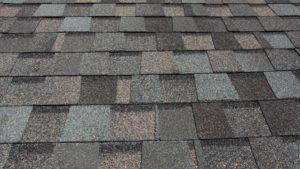
Asphalt Shingles
- Lower initial cost
- Easier installation
- Wide variety of colors
- Lower structural weight
Each material offers distinct advantages depending on homeowner priorities.
Comparing Clay Tile to Metal Roofing
Clay Tile
- Traditional elegance
- Natural material
- Classic architectural appearance
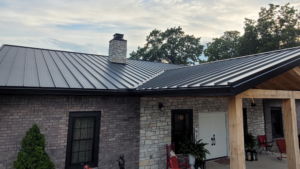
Metal Roofing
- Lightweight
- Modern design
- Excellent longevity
- Low maintenance
The right choice depends on your home’s architecture, budget, and long-term goals.
Increasing Home Value
Many prospective buyers appreciate premium roofing materials.
A professionally installed clay tile residential roofing system may improve:
- Curb appeal
- Marketability
- Long-term resale value
A beautiful roof often becomes one of a home’s most attractive selling features.
Is Clay Tile Roofing Right for Every Home?
Clay roofing is an excellent option for many homes, but not every property is an ideal candidate.
Homeowners should consider:
- Structural capacity
- Architectural style
- Budget
- Maintenance expectations
- Long-term ownership plans
Consulting a qualified roofing contractor helps determine whether clay tiles are the best choice.
Why Professional Installation Matters
The performance of any roofing system depends heavily on installation quality.
Experienced contractors understand:
- Proper flashing techniques
- Tile alignment
- Structural requirements
- Waterproofing
- Ventilation
- Manufacturer guidelines
Professional workmanship helps maximize the lifespan of clay tile residential roofing.
Why Choose FM Roofing
At FM Roofing, we help homeowners choose roofing systems that balance beauty, durability, and long-term value. Our experienced team evaluates each home’s architecture, structural condition, and performance needs before recommending the best roofing solution.
Whether you’re considering premium clay tiles, architectural shingles, metal roofing, or another roofing system, we are committed to delivering exceptional craftsmanship and personalized service. Our goal is to install roofs that not only protect your home but also enhance its appearance and value for many years.
Final Thoughts
For homeowners seeking a premium roofing solution with timeless beauty, impressive durability, and long-term performance, clay tile residential roofing remains one of the finest options available. Its elegant appearance, resistance to fire and insects, excellent energy efficiency, and remarkable lifespan make it an attractive investment for many Missouri homes.
However, clay tile roofing also requires careful planning, proper structural support, and professional installation to perform at its best. Understanding both the advantages and limitations allows homeowners to make confident, informed decisions that align with their home’s architectural style, budget, and long-term goals.