Commercial flat roofs are a popular choice for office buildings, warehouses, retail centers, industrial facilities, schools, and multi-unit properties because they offer usable space, simplified maintenance access, and cost-effective installation. Despite the name, however, most flat roofs are not perfectly level. They require a carefully designed slope to allow rainwater to drain properly and prevent standing water from accumulating on the roof surface.
One of the most effective ways to create this slope is through a tapered insulation commercial roof system. Unlike conventional insulation that has the same thickness throughout the roof, tapered insulation gradually changes in thickness to guide water toward drains, scuppers, or gutters. This simple yet highly effective design improves drainage while also increasing the roof’s thermal performance.
Although tapered insulation is most commonly associated with commercial buildings, homeowners who own large residential properties, apartment buildings, mixed-use buildings, or homes with flat roof sections can also benefit from understanding how these systems work. Whether you are planning a new roofing project or replacing an aging flat roof, learning about tapered insulation commercial roof systems can help you make informed decisions that protect your investment.
What Is Tapered Insulation?
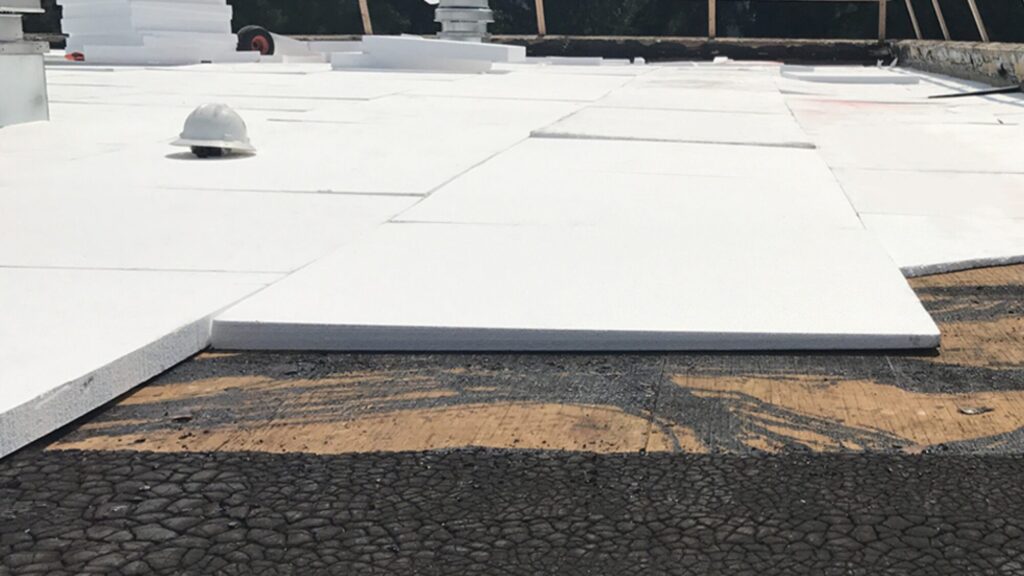
Traditional insulation boards have a uniform thickness across the entire roof surface. Tapered insulation is different because each insulation panel varies in thickness from one edge to another.
When multiple panels are installed together, they create a gentle slope that directs water toward designated drainage points.
A properly designed tapered insulation commercial roof system improves both water management and energy efficiency without significantly altering the building’s appearance.
Why Flat Roofs Need Slope
Although commonly referred to as flat roofs, commercial roofing systems actually require a slight pitch to function correctly.
Without adequate slope, rainwater may remain on the roof for extended periods, leading to:
- Ponding water
- Increased roof weight
- Membrane deterioration
- Structural stress
- Leak development
- Mold growth
Installing a tapered insulation commercial roof system helps create the necessary drainage while maintaining a relatively flat appearance.
Understanding Roof Ponding
Ponding water occurs when water remains on the roof for more than 48 hours after rainfall.
Standing water can:
- Accelerate roof aging
- Increase leak potential
- Damage roofing membranes
- Promote algae growth
- Add unnecessary structural weight
Proper drainage is one of the primary reasons contractors recommend tapered insulation commercial roof systems.
How Tapered Insulation Works
Tapered insulation uses specially manufactured insulation boards that gradually increase or decrease in thickness.
When installed according to a detailed layout plan, these panels guide water toward:
- Roof drains
- Internal drains
- Scuppers
- Gutters
- Downspouts
This controlled water movement reduces the risk of moisture-related roofing problems.
Common Insulation Materials
Several insulation materials are used in commercial roofing.
Common options include:
- Polyisocyanurate (Polyiso)
- Expanded polystyrene (EPS)
- Extruded polystyrene (XPS)
Polyiso remains one of the most widely used materials in tapered insulation commercial roof systems due to its excellent thermal performance.
Why Drainage Matters
Water is one of the greatest threats to any roofing system.
Effective drainage helps prevent:
- Roof leaks
- Membrane deterioration
- Structural damage
- Interior water intrusion
- Mold development
- Freeze-thaw damage
Improving drainage is often the primary objective of installing a tapered insulation commercial roof.
Improving Energy Efficiency
In addition to improving drainage, tapered insulation increases the roof’s insulating value.
Benefits include:
- Reduced heat transfer
- Improved indoor comfort
- Lower heating costs
- Reduced cooling demands
- Better overall energy performance
These improvements can contribute to long-term operational savings.
Creating Positive Drainage
Positive drainage means water flows efficiently toward drainage points rather than remaining on the roof.
Proper roof design minimizes areas where water can collect.
A professionally designed tapered insulation commercial roof helps achieve consistent positive drainage across the roofing system.
Roof Drains and Tapered Insulation
Internal roof drains play an important role in commercial roofing.
Tapered insulation directs water toward these drains while reducing low spots where water may otherwise collect.
Maintaining unobstructed drains is equally important for long-term performance.
Scuppers and Edge Drainage
Some commercial roofs use scuppers instead of internal drains.
Scuppers allow water to exit through openings along the roof edge.
Proper insulation design helps move water efficiently toward these drainage points.
Gutters and Downspouts
Many low-slope roofs rely on gutters for water management.
Combining effective gutters with a tapered insulation commercial roof creates a comprehensive drainage system that protects both the roof and the building’s foundation.
Common Roofing Systems That Use Tapered Insulation
Tapered insulation can be installed beneath many commercial roofing systems, including:
- TPO roofing
- PVC roofing
- EPDM roofing
- Modified bitumen
- Built-up roofing (BUR)
Each roofing system benefits from improved drainage and enhanced insulation.
New Construction Applications
During new construction, tapered insulation can be incorporated directly into the roof design.
Benefits include:
- Simplified drainage planning
- Improved energy efficiency
- Reduced long-term maintenance
- Better roof performance
Planning drainage from the beginning often produces the best results.
Roof Replacement Projects
Existing flat roofs can also benefit from tapered insulation during replacement.
Older roofs often develop low areas due to settling or previous repairs.
Installing a tapered insulation commercial roof during replacement can correct drainage deficiencies while upgrading insulation.
Roof Design Considerations
Every roof has unique characteristics.
Design professionals evaluate:
- Roof dimensions
- Drain locations
- Structural capacity
- Existing slope
- Mechanical equipment
- Rooftop penetrations
Careful planning ensures effective water movement across the roof.
Mechanical Equipment on Commercial Roofs
Commercial roofs often contain:
- HVAC units
- Exhaust fans
- Electrical equipment
- Solar panels
- Ventilation systems
Tapered insulation layouts must account for these obstacles while maintaining effective drainage.
Roof Penetrations
Roof penetrations interrupt the roof surface and require careful waterproofing.
Examples include:
- Plumbing vents
- Exhaust vents
- Skylights
- Equipment supports
Drainage design should prevent water from collecting around these penetrations.
The Role of Roof Deck Condition
Before installing insulation, contractors inspect the roof deck.
Potential issues include:
- Rot
- Corrosion
- Structural damage
- Moisture deterioration
A sound roof deck provides the foundation for every tapered insulation commercial roof system.
Importance of Roofing Membranes
The roofing membrane serves as the primary waterproof barrier.
Tapered insulation supports the membrane by encouraging water to leave the roof quickly.
Reducing standing water helps extend membrane lifespan.
Reducing Roof Maintenance
Better drainage often leads to lower maintenance needs.
Homeowners and property managers may experience:
- Fewer leaks
- Less standing water
- Reduced membrane stress
- Improved roof cleanliness
Preventive design minimizes future repair requirements.
Seasonal Performance
Missouri weather includes:
- Heavy rainfall
- Snow
- Ice
- Strong winds
- Summer heat
A properly designed tapered insulation commercial roof helps manage these seasonal conditions effectively.
Winter Benefits
Snow and ice create additional moisture concerns.
Proper drainage helps reduce:
- Ice accumulation
- Freeze-thaw damage
- Water infiltration
Improved insulation also supports better winter energy performance.
Summer Benefits
During hot weather, insulation reduces heat transfer into the building.
This may help:
- Improve occupant comfort
- Reduce HVAC workload
- Increase energy efficiency
Thermal performance is one of the major advantages of tapered insulation.
Environmental Benefits
Energy-efficient roofing systems contribute to sustainability by reducing building energy consumption.
Additional environmental benefits include:
- Longer roof lifespan
- Fewer replacement materials
- Reduced waste
- Improved building performance
Inspection and Maintenance
Routine inspections remain essential.
Roof professionals evaluate:
- Drain performance
- Membrane condition
- Flashing
- Sealants
- Insulation performance
- Ponding areas
Early detection allows minor issues to be corrected before significant damage occurs.
Common Signs of Drainage Problems
Property owners should monitor for:
- Standing water
- Slow drainage
- Interior leaks
- Wet insulation
- Membrane wrinkles
- Algae growth
These issues may indicate the need for drainage improvements.
Working With Experienced Roofing Contractors
Proper design requires specialized expertise.
Experienced contractors understand:
- Drainage calculations
- Roof layouts
- Insulation systems
- Waterproofing
- Building codes
Professional installation helps maximize the benefits of a tapered insulation commercial roof.
Mistakes to Avoid
Common mistakes include:
- Ignoring ponding water
- Delaying repairs
- Blocking roof drains
- Choosing incorrect insulation layouts
- Skipping routine inspections
Preventive maintenance remains the best long-term strategy.
Why Professional Planning Matters
Every roof is unique.
Professional roof evaluations help determine:
- Proper insulation thickness
- Drain locations
- Structural compatibility
- Energy goals
- Long-term maintenance needs
Customized planning leads to better roofing performance.
Long-Term Value
Although tapered insulation may increase initial installation costs, it often provides long-term value through:
- Improved drainage
- Better insulation
- Lower maintenance
- Extended roof lifespan
- Reduced repair frequency
Many property owners find these long-term benefits outweigh the initial investment.
Why Choose FM Roofing
At FM Roofing, we understand that successful flat roofing systems depend on more than just durable roofing membranes. Proper insulation, drainage, waterproofing, and installation all work together to protect your property for years to come.
Our experienced team evaluates every roofing project individually, providing recommendations tailored to each building’s design, drainage needs, and energy goals. Whether you’re replacing an aging commercial roof, upgrading insulation, or correcting drainage problems, we are committed to delivering quality workmanship and dependable roofing solutions.
We believe every tapered insulation commercial roof should provide reliable protection, outstanding performance, and long-term value.
Final Thoughts
Proper drainage is one of the most important factors in the performance and longevity of any flat roofing system. Without an effective method for directing water away from the roof surface, even the highest-quality roofing materials can experience premature deterioration.
A professionally designed tapered insulation commercial roof improves drainage while enhancing thermal efficiency, reducing maintenance needs, and supporting long-term roof performance. Combined with quality installation, regular inspections, and proactive maintenance, tapered insulation helps protect buildings from costly water damage and extends the life of the roofing system.
If you’re considering a new flat roof, replacing an aging commercial roofing system, or looking for solutions to recurring ponding water issues, contact FM Roofing today. Our knowledgeable team is ready to provide expert guidance, professional inspections, and roofing solutions designed to keep your property protected in every season.