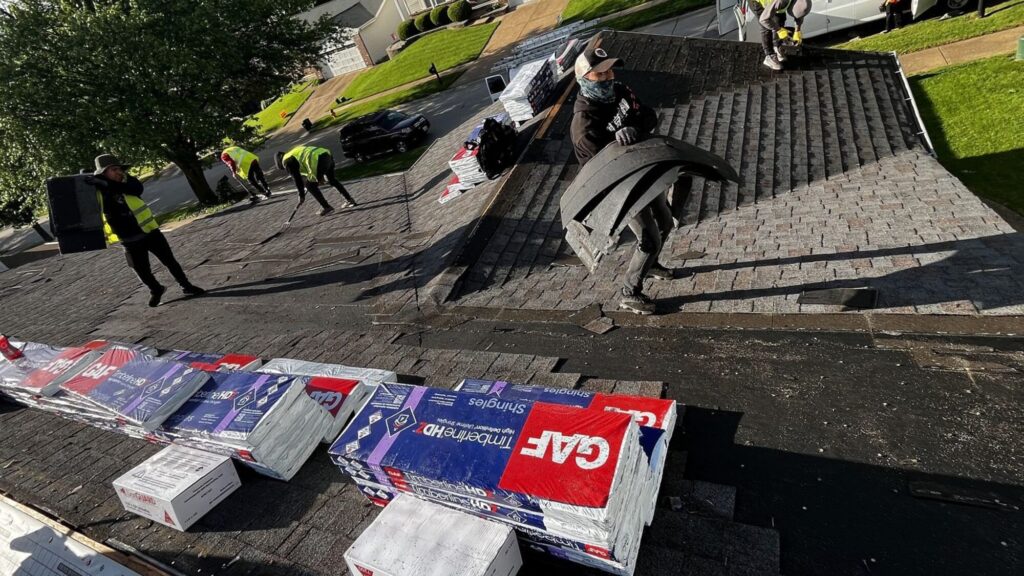
Kirkwood is known for its charming neighborhoods, mature trees, and beautiful historic homes that reflect the city’s rich architectural heritage. From Victorian and Colonial-style homes to Craftsman bungalows and early twentieth-century residences, these properties offer a unique sense of character that modern homes often cannot replicate. However, owning a historic home also comes with special responsibilities, particularly when it comes to maintaining and replacing the roof.
A historic home roof replacement is very different from a standard roofing project. Homeowners must balance preserving the home’s architectural integrity with installing a durable, weather-resistant roofing system that meets modern standards. Every decision, from material selection to installation techniques, can impact both the appearance and value of the property.
At FM Roofing, we understand that replacing the roof on a historic home requires careful planning, specialized knowledge, and attention to detail. This comprehensive guide will help homeowners understand the unique considerations involved in a historic home roof replacement, including material options, preservation concerns, permitting requirements, and best practices for protecting these treasured properties.
Why Historic Homes Require Special Roofing Considerations
Historic homes were built during a time when construction materials and building techniques were very different from those used today. Many older homes feature unique rooflines, decorative elements, and specialized materials that contribute to their historic charm.
A historic home roof replacement requires more than simply removing old shingles and installing new ones. The project often involves preserving original architectural details and ensuring the new roofing system complements the home’s historic character.
Special considerations include:
- Architectural preservation
- Material compatibility
- Structural integrity
- Local regulations
- Long-term maintenance
- Historical accuracy
Understanding these factors can help homeowners avoid costly mistakes and preserve the value of their property.
Understanding Kirkwood’s Historic Character
Kirkwood is home to many beautiful and historically significant residences. These homes often feature distinctive roofing styles that contribute to the city’s overall charm.
Common architectural styles include:
- Victorian homes
- Colonial homes
- Craftsman homes
- Tudor homes
- Cottage-style residences
- Early twentieth-century homes
Because the roof is one of the most visible elements of a home, a properly planned historic home roof replacement plays a major role in maintaining neighborhood character.
Why Roof Replacement Is Often Necessary
Even the most durable roofing materials eventually reach the end of their lifespan.
Historic homeowners may face issues such as:
- Aging materials
- Water damage
- Storm damage
- Structural deterioration
- Poor ventilation
- Repeated repairs
At some point, a complete historic home roof replacement becomes more practical and cost-effective than ongoing repairs.
Signs That Your Historic Home May Need a New Roof
Several indicators suggest it may be time to consider roof replacement.
Frequent Leaks
Recurring leaks often indicate widespread roof deterioration.
Missing or Damaged Materials
Broken or deteriorated materials can compromise weather protection.
Sagging Areas
Structural issues may require immediate attention.
Interior Water Stains
Ceiling stains can indicate moisture infiltration.
Excessive Aging
Older roofs may simply have reached the end of their service life.
Recognizing these warning signs allows homeowners to plan for a historic home roof replacement before major damage occurs.
The Importance of Preserving Architectural Integrity
One of the primary goals of a historic home roof replacement is preserving the home’s original appearance.
The roof contributes significantly to:
- Architectural style
- Curb appeal
- Property value
- Historical significance
Selecting inappropriate materials or altering the roof design can diminish the character and authenticity of the home.
Researching the Original Roof
Before beginning a replacement project, homeowners should try to determine what type of roof originally existed on the property.
Helpful resources may include:
- Historical photographs
- Building records
- Previous owners
- Local historical organizations
- Architectural documents
Understanding the home’s original design can guide decisions during a historic home roof replacement.
Common Roofing Materials Used on Historic Homes
Different historical periods used different roofing materials.
Common options include:
- Cedar shakes
- Slate
- Wood shingles
- Metal roofing
- Clay tiles
- Asphalt shingles
Selecting appropriate replacement materials helps maintain historical authenticity.
Cedar Shake Roofing for Historic Homes
Many older homes originally featured cedar roofing materials.
Benefits include:
- Authentic appearance
- Natural beauty
- Excellent curb appeal
- Historic character
Cedar remains a popular option for certain historic home roof replacement projects.
Slate Roofing for Historic Properties
Slate roofing has been used for centuries and remains one of the most durable roofing materials available.
Advantages include:
- Exceptional longevity
- Elegant appearance
- Historical accuracy
- Increased property value
Although slate can be expensive, it may be appropriate for certain historic homes.
Metal Roofing for Historic Residences
Certain historic homes originally featured metal roofing systems.
Benefits include:
- Durability
- Longevity
- Low maintenance
- Traditional appearance
Modern metal products can often replicate historic designs while providing improved performance.
Modern Materials That Mimic Historic Roofing
In some cases, homeowners choose modern products that resemble traditional materials.
Examples include:
- Synthetic slate
- Composite shakes
- Architectural shingles designed to resemble wood or slate
These materials may offer:
- Lower maintenance
- Improved durability
- Reduced cost
- Enhanced weather resistance
For some homeowners, these products provide an excellent solution for a historic home roof replacement.
Structural Considerations
Historic homes often have aging structural systems.
Before replacing the roof, contractors should inspect:
- Roof decking
- Rafters
- Trusses
- Support systems
Structural repairs may be necessary before new roofing materials can be installed.
The Importance of Roof Deck Inspections
Years of moisture exposure may result in:
- Rotting wood
- Weak decking
- Structural deterioration
Addressing these issues during a historic home roof replacement helps ensure long-term performance.
Ventilation Upgrades for Historic Homes
Many older homes were built before modern ventilation practices became standard.
Poor ventilation can contribute to:
- Moisture problems
- Mold growth
- Premature roof deterioration
- Energy inefficiency
A roof replacement provides an opportunity to improve ventilation while preserving historical character.
Improving Energy Efficiency
Historic homes often benefit from energy improvements.
Potential upgrades include:
- Better insulation
- Improved ventilation
- Reflective materials
- Enhanced underlayment
A thoughtfully planned historic home roof replacement can improve comfort and reduce utility costs.
Preserving Decorative Features
Historic roofs often contain unique design elements.
Examples include:
- Decorative trim
- Dormers
- Ornamental metalwork
- Historic gutters
- Specialty flashing
Protecting these features requires skilled craftsmanship and careful planning.
Challenges of Working on Historic Homes
Historic roofing projects frequently present unique challenges.
These may include:
- Limited material availability
- Structural concerns
- Complex roof designs
- Preservation requirements
- Budget considerations
Experienced contractors understand how to navigate these challenges successfully.
Building Codes and Historic Requirements
Depending on the property, homeowners may need to comply with:
- Local building codes
- Preservation guidelines
- Neighborhood regulations
- Permit requirements
Understanding applicable requirements is essential before beginning a historic home roof replacement.
Matching Existing Materials
In some cases, homeowners may wish to preserve portions of the existing roof.
Matching materials can be challenging due to:
- Discontinued products
- Aging materials
- Color variations
- Unique dimensions
Professional guidance helps homeowners make appropriate decisions.
Storm Protection for Historic Homes
Missouri weather can be challenging for older homes.
Common threats include:
- Heavy rain
- Wind
- Hail
- Snow
- Ice
A properly designed historic home roof replacement should balance historical appearance with modern weather protection.
Underlayment Improvements
Modern underlayment materials can significantly improve roof performance.
Benefits include:
- Better moisture resistance
- Improved durability
- Enhanced leak protection
These hidden upgrades often provide valuable protection without altering the home’s appearance.
Gutter and Drainage Improvements
Effective drainage is essential for protecting historic homes.
Roof replacement may provide an opportunity to:
- Upgrade gutters
- Improve downspouts
- Correct drainage issues
Managing water effectively helps prevent long-term structural damage.
Why Professional Craftsmanship Matters
Historic homes deserve specialized attention.
Roofing professionals with experience in older homes understand:
- Traditional construction methods
- Preservation techniques
- Material compatibility
- Structural concerns
Choosing experienced contractors is one of the most important decisions homeowners can make during a historic home roof replacement.
The Long-Term Value of Preserving Historic Character
Maintaining historical authenticity often provides significant benefits.
Potential advantages include:
- Increased property value
- Enhanced curb appeal
- Community pride
- Preservation of local history
- Improved marketability
A properly executed historic home roof replacement helps protect both the home and its legacy.
Questions to Ask Before Replacing the Roof
Before beginning a project, homeowners should ask:
- What roofing materials are appropriate?
- Are structural repairs necessary?
- Can historic features be preserved?
- Are permits required?
- What maintenance will the new roof require?
Careful planning contributes to a successful project.
Planning for Future Maintenance
Historic roofing systems require ongoing care.
Homeowners should schedule:
- Routine inspections
- Gutter maintenance
- Minor repairs
- Debris removal
Preventive maintenance helps maximize the lifespan of a newly installed roof.
Why Choose FM Roofing
At FM Roofing, we understand that historic homes require a specialized approach. Our team appreciates the craftsmanship, beauty, and character that make older homes unique. We work closely with homeowners to recommend roofing solutions that preserve architectural integrity while delivering the durability and protection modern homeowners expect.
Whether your home requires traditional materials, structural repairs, improved ventilation, or a complete historic home roof replacement, our experienced professionals are committed to providing exceptional workmanship and personalized service.
We believe every historic home deserves a roofing system that honors its past while protecting its future.
Final Thoughts
Replacing the roof on a historic home is about much more than installing new materials. It is an opportunity to preserve architectural heritage, protect a valuable investment, and ensure the home remains beautiful and functional for generations to come.
A carefully planned historic home roof replacement balances historical accuracy with modern performance, allowing homeowners to enjoy improved durability, weather protection, and energy efficiency without sacrificing character.
By working with experienced roofing professionals, selecting appropriate materials, and respecting the unique qualities of older homes, homeowners can successfully complete a historic home roof replacement that enhances both the value and longevity of their property.