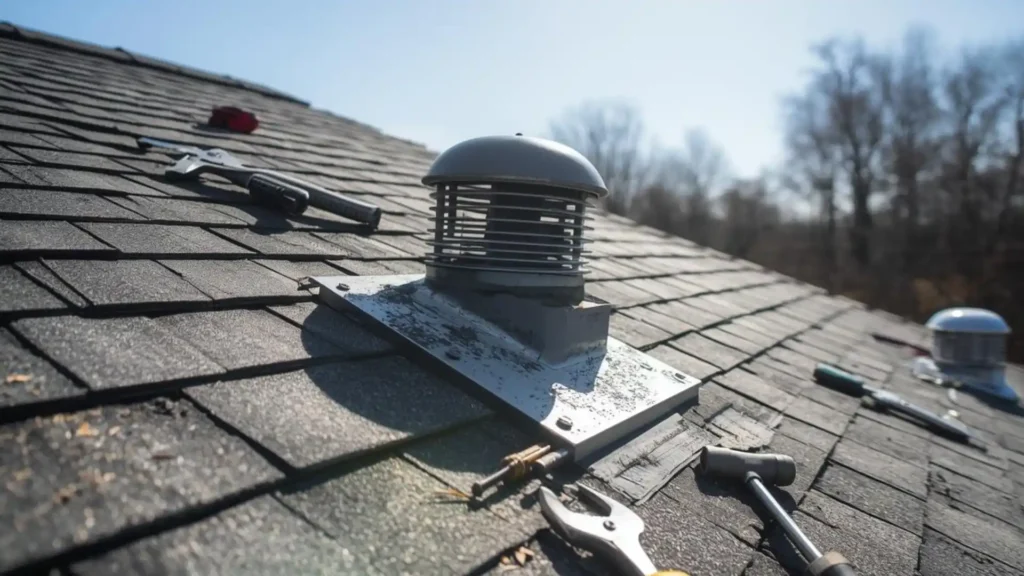
Your ridge vent plays a key role in protecting the health of your attic and the longevity of your roof. It allows hot and humid air to escape from the attic while cooler air enters through intake vents, creating balanced airflow. This ventilation helps prevent moisture buildup, reduces heat accumulation during summer, and protects roofing materials from premature deterioration.
When the ventilation system fails, heat and moisture become trapped in the attic, which can lead to mold growth, wood rot, insulation damage, and higher cooling costs. That is why timely ridge vent repair is essential for maintaining proper attic ventilation and extending the life of your roof.
What Is a Ridge Vent?
A ridge vent is a ventilation system installed along the peak of a roof that allows warm air from the attic to escape naturally. As warm air rises, it exits through the ridge vent while cooler air enters through soffit vents located along the lower edge of the roof. This continuous airflow regulates attic temperature and reduces moisture buildup. Ridge vents are available in several types, including plastic ridge vents, metal ridge vents, and shingle-over ridge vents.
Plastic vents are lightweight and cost-effective but may become brittle over time. Metal vents offer greater durability and weather resistance. Shingle-over ridge vents are designed to blend with roofing shingles, giving the roof a cleaner appearance while still providing efficient ventilation. When any of these systems become damaged or poorly installed, ridge vent repair becomes necessary to restore proper airflow.
Signs You Need Ridge Vent Maintenance
Several warning signs indicate that your ridge vent may need attention. Visible cracks or gaps in the vent material can allow water and debris to enter the attic. Water stains on attic ceilings or damp insulation often signal moisture intrusion through damaged ventilation components. Excessive heat buildup in upper floors may also occur when airflow through the ridge vent is restricted, causing attic temperatures to rise significantly.
Homeowners may notice increasing energy bills because cooling systems must work harder to compensate for trapped heat. In some cases, musty odors and mold growth develop due to prolonged moisture accumulation. When these symptoms appear, scheduling ridge vent maintenance quickly can prevent further structural damage and maintain healthy attic conditions.
Common Causes of Ridge Vent Damage
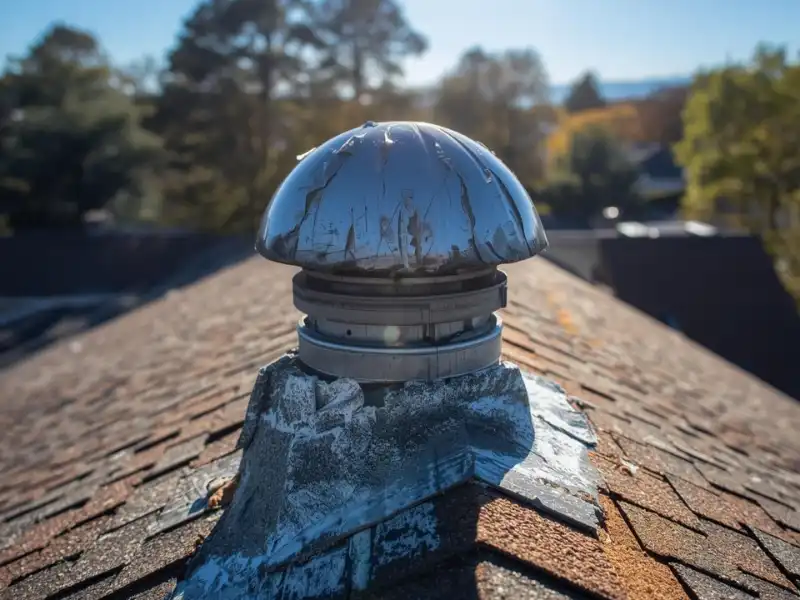
Ridge vent damage often occurs due to installation mistakes or environmental exposure. Improper nails or fasteners can loosen over time, causing the vent sections to shift or lift away from the roofline. Inferior or missing sealant may allow rainwater to seep beneath the vent and into the attic space. Incorrect overlap between vent sections can create small openings where wind-driven rain enters the roof system.
In addition, severe weather conditions such as strong winds or storms can lift ridge vents, damage shingles covering them, or displace sections of the vent entirely. These issues gradually reduce ventilation performance and frequently require ridge vent repair to restore proper airflow and protect the roof structure.
Step-by-Step Ridge Vent Repair Process
The ridge vent fix process typically begins with a detailed inspection of the roof ridge and attic area to identify cracks, loose fasteners, and signs of water intrusion. Once the problem areas are located, damaged or loose fasteners are replaced with proper roofing nails or screws to secure the vent system firmly. The next step involves sealing vulnerable joints and gaps using high-quality roofing sealant to prevent water penetration.
Roofers may also adjust or reposition vent sections to ensure correct alignment along the roof ridge. After completing the repair, a final check confirms that the vent is properly sealed, securely fastened, and allows consistent airflow through the attic.
When to Repair vs. Replace
Determining whether to repair or replace a ridge vent depends on the extent of the damage. Minor issues such as small cracks, loose fasteners, or limited sealant failure can usually be resolved through targeted ridge vent fix.
However, when more than 30% of the ridge vent material is damaged, replacement is often the more effective solution. Multiple patch repairs in heavily damaged areas may only provide temporary results and can lead to recurring problems. Replacing the ridge vent ensures a fully functional ventilation system and can prevent further roof deterioration.
How Much Does Ridge Ventilation Repair Cost?
The cost of ridge vent repair varies depending on the size of the roof, the extent of the damage, and local labor rates. On average, homeowners spend about $475 for ridge ventilation repair, although prices typically range between $200 and $750. Minor repairs involving sealant replacement or fastener adjustments fall on the lower end of the cost range.
More extensive repairs that require replacing sections of the vent or repairing surrounding shingles may increase the price. Addressing ridge vent issues early helps keep repair costs manageable and prevents more expensive roofing repairs in the future.
DIY vs. Hiring a Pro
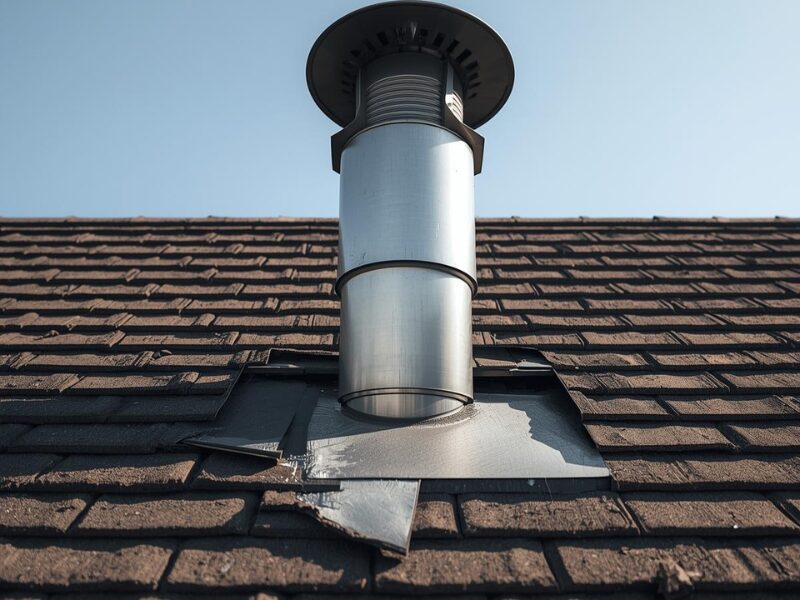
Some homeowners attempt to repair ridge vents themselves, but roof work carries several risks. Climbing onto a roof without proper safety equipment can be dangerous, especially on steep or wet surfaces. In addition, identifying hidden moisture damage or ventilation problems requires professional experience. Improper repairs may also void roofing warranties if manufacturer guidelines are not followed.
Professional roofers have the tools, training, and knowledge to perform roof ridge vent repair safely and effectively. Hiring a qualified roofer ensures that ventilation problems are correctly diagnosed and that repairs protect both the roof structure and the warranty.
Final Thought
Maintaining a properly functioning ridge vent is essential for protecting your roof, attic, and overall home comfort. When ventilation problems occur, heat and moisture can accumulate quickly and cause long-term damage to roofing materials and attic structures. Addressing issues early through professional ridge vent restoration helps maintain healthy airflow, reduces energy costs, and prevents costly structural repairs.
If you notice signs such as attic heat buildup, water stains, or cracked vent materials, it’s a good idea to have your roof inspected as soon as possible. Contact us today to schedule a professional inspection. Our roofing experts can assess the condition of your ridge vent, recommend the right repair solution, and ensure your ventilation system works efficiently so your roof stays protected for years to come.
Join Our Community
Join our community on Facebook, and don’t forget to subscribe to us on YouTube for new content each week.
FAQs
1. What does a ridge vent do?
A ridge vent allows warm air to escape from the attic while cooler air enters through soffit vents, creating balanced airflow that prevents heat and moisture buildup.
2. How do I know if my ridge vent needs repair?
Signs include attic heat buildup, water stains, cracked vents, higher energy bills, and musty odors caused by trapped moisture.
3. How much does ridge vent restoration cost?
Most ridge vent servicing costs about $200 to $750, with the average around $475, depending on roof size and damage level.
4. Can ridge vents leak?
Yes. Poor installation, cracked materials, or missing sealant can allow water to enter the attic, which requires ridge vent servicing.
5. Should I repair or replace my ridge vent?
Repair is best for small damage. If more than 30% of the vent is damaged, full replacement is usually recommended.