Your roof is one of the most important protective systems in your home, yet it’s also one of the most commonly overlooked. Many homeowners don’t realize there’s a problem until water is dripping from the ceiling or visible damage appears. By that point, what could have been a simple fix may have turned into a major repair.
At FM Roofing, we educate homeowners on identifying roof inspection red flags early so problems can be addressed before they escalate. Knowing what to look for during a roof inspection — and understanding which warning signs require immediate action — can save time, stress, and long-term damage.
Why Roof Inspection Red Flags Matter
A roof functions as a complete system. When one component fails, others often follow. Ignoring early warning signs allows moisture, air, and pests to compromise the structure of your home.
Recognizing roof inspection red flags early helps homeowners:
- Prevent water intrusion
- Avoid structural deterioration
- Reduce mold and moisture risks
- Extend roof lifespan
- Protect interior finishes
FM Roofing emphasizes proactive inspections because many roof issues develop quietly long before damage becomes visible inside the home.
Exterior Roof Inspection Red Flags
Missing or Damaged Shingles
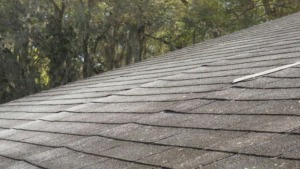
One of the most obvious roof inspection red flags is missing, cracked, or curling shingles. Shingles are your roof’s first layer of defense, and once compromised, the underlying materials are exposed.
Common shingle issues include:
- Lifted edges
- Cracks or splits
- Bald spots where granules are missing
- Shingles blown off after storms
Even minor shingle damage can allow water to penetrate the roof system.
Granule Loss
Granules protect shingles from UV damage and help shed water. Excessive granule loss is a serious roof inspection red flag, especially on asphalt roofs.
Signs of granule loss include:
- Granules collecting in gutters
- Bare or shiny shingle surfaces
- Uneven roof coloration
FM Roofing often sees granule loss as an early indicator of advanced roof aging.
Sagging Rooflines
A sagging roofline is one of the most urgent roof inspection red flags and should never be ignored. It may indicate structural issues beneath the roof surface.
Potential causes include:
- Water-damaged decking
- Compromised rafters
- Long-term moisture exposure
- Excessive roof weight
Any visible sagging requires immediate professional evaluation.
Flashing-Related Roof Inspection Red Flags
Damaged or Loose Flashing
Flashing seals roof transitions such as chimneys, vents, skylights, and valleys. Damaged flashing is one of the most common roof inspection red flags FM Roofing encounters.
Watch for:
- Lifted flashing edges
- Rust or corrosion
- Gaps between flashing and roof surfaces
- Missing sections
Flashing failures often lead to leaks even when shingles appear intact.
Improper Repairs or Patching
Quick fixes using caulk or roofing cement may hide problems temporarily. Poor patchwork is a major roof inspection red flag because it often masks deeper issues.
Warning signs include:
- Thick layers of sealant
- Mismatched materials
- Uneven repairs
Professional repairs focus on proper flashing integration, not surface patches.
Gutter and Drainage Red Flags
Clogged or Damaged Gutters
While gutters aren’t technically part of the roof surface, they play a critical role in water management. Gutter problems are often overlooked roof inspection red flags.
Issues include:
- Overflowing water
- Detached gutter sections
- Standing water near the foundation
- Debris buildup
Poor drainage can cause water to back up under shingles and flashing.
Improper Downspout Flow
Water should be directed away from the home. When downspouts dump water near the foundation or roofline, it becomes a hidden roof inspection red flag.
FM Roofing evaluates drainage during inspections to prevent moisture-related roof damage.
Interior Roof Inspection Red Flags
Water Stains on Ceilings or Walls
Interior stains are one of the clearest roof inspection red flags that moisture is entering the home.
Common indicators include:
- Yellow or brown discoloration
- Bubbling or peeling paint
- Damp drywall
These signs often appear far from the actual leak source.
Attic Moisture or Mold
Attic inspections reveal some of the most serious roof inspection red flags.
Warning signs include:
- Wet insulation
- Mold or mildew growth
- Musty odors
- Rusted fasteners
FM Roofing frequently finds hidden roof problems during attic evaluations.
Daylight Visible Through the Roof
If sunlight is visible through roof boards, it’s a critical roof inspection red flag indicating compromised decking or missing materials.
This issue requires immediate professional attention.
Ventilation-Related Roof Inspection Red Flags
Poor Attic Ventilation
Ventilation problems are often overlooked but are significant roof inspection red flags.
Signs of poor ventilation include:
- Excessive attic heat
- Ice dam formation
- Condensation buildup
- Premature shingle aging
Proper ventilation protects both roofing materials and indoor comfort.
Blocked or Damaged Roof Vents
Damaged vents allow moisture and pests to enter the attic. Broken vents are a common roof inspection red flag after storms.
FM Roofing inspects all roof penetrations during evaluations.
Storm-Related Roof Inspection Red Flags
Hail Impact Damage
Hail damage doesn’t always cause immediate leaks, making it a hidden roof inspection red flag.
Look for:
- Dented shingles
- Soft spots
- Cracked granules
Professional inspections are essential after severe weather.
Wind Damage
High winds can lift shingles, loosen flashing, and expose nail heads. Wind-related damage is one of the most frequent roof inspection red flags in Missouri.
Structural Roof Inspection Red Flags
Soft Spots on the Roof
Soft areas indicate moisture damage beneath the surface. These are serious roof inspection red flags that suggest rotting decking.
Uneven Roof Surfaces
Wavy or uneven roofing can signal structural movement or moisture intrusion.
FM Roofing considers these issues high-priority concerns during inspections.
Age-Related Roof Inspection Red Flags
As roofs age, certain warning signs become more common.
Age-related roof inspection red flags include:
- Brittle shingles
- Frequent minor repairs
- Fading materials
- Increased energy bills
Older roofs require closer monitoring to prevent sudden failures.
Why Immediate Action Matters
Delaying repairs after identifying roof inspection red flags often leads to:
- Expanded water damage
- Mold growth
- Structural weakening
- Higher repair complexity
FM Roofing encourages homeowners to act quickly when warning signs appear.
What to Do When You Spot Roof Inspection Red Flags
If you notice any roof inspection red flags, take the following steps:
- Avoid walking on the roof
- Document visible issues
- Schedule a professional inspection
- Address problems promptly
Early intervention protects both the roof and the home’s interior.
How FM Roofing Handles Roof Inspections
FM Roofing follows a thorough inspection process to identify all roof inspection red flags, including:
- Exterior surface evaluation
- Flashing and penetration inspection
- Attic and ventilation assessment
- Structural review
Our goal is to provide homeowners with clear information and practical solutions.
Preventing Future Roof Issues
Preventive maintenance reduces the likelihood of severe roof inspection red flags.
Best practices include:
- Annual inspections
- Post-storm evaluations
- Proper ventilation maintenance
- Gutter cleaning
Consistent care extends roof life and improves performance.
Why Homeowners Trust FM Roofing
FM Roofing understands that roofing concerns can feel overwhelming. We focus on education, transparency, and long-term protection.
Homeowners choose FM Roofing because we provide:
- Honest assessments
- Detailed inspections
- Clear explanations
- Reliable repair recommendations
We believe identifying roof inspection red flags early is the key to protecting your home.
Final Thoughts
Your roof doesn’t fail overnight — it gives warning signs long before major damage occurs. Understanding and responding to roof inspection red flags empowers homeowners to protect their investment and avoid costly surprises.
FM Roofing is committed to helping homeowners stay ahead of roof problems through expert inspections and reliable guidance. When red flags appear, timely action makes all the difference.