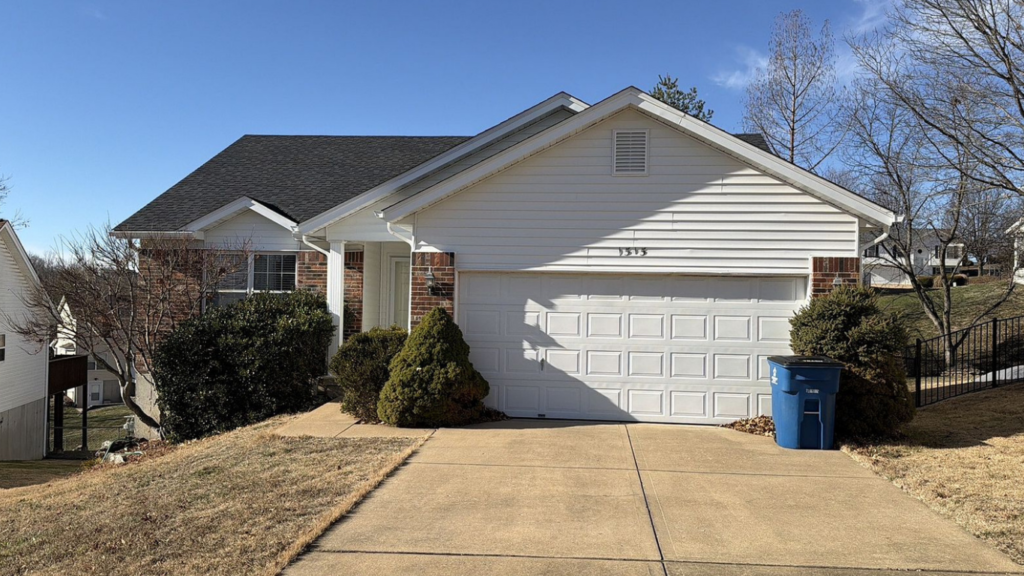
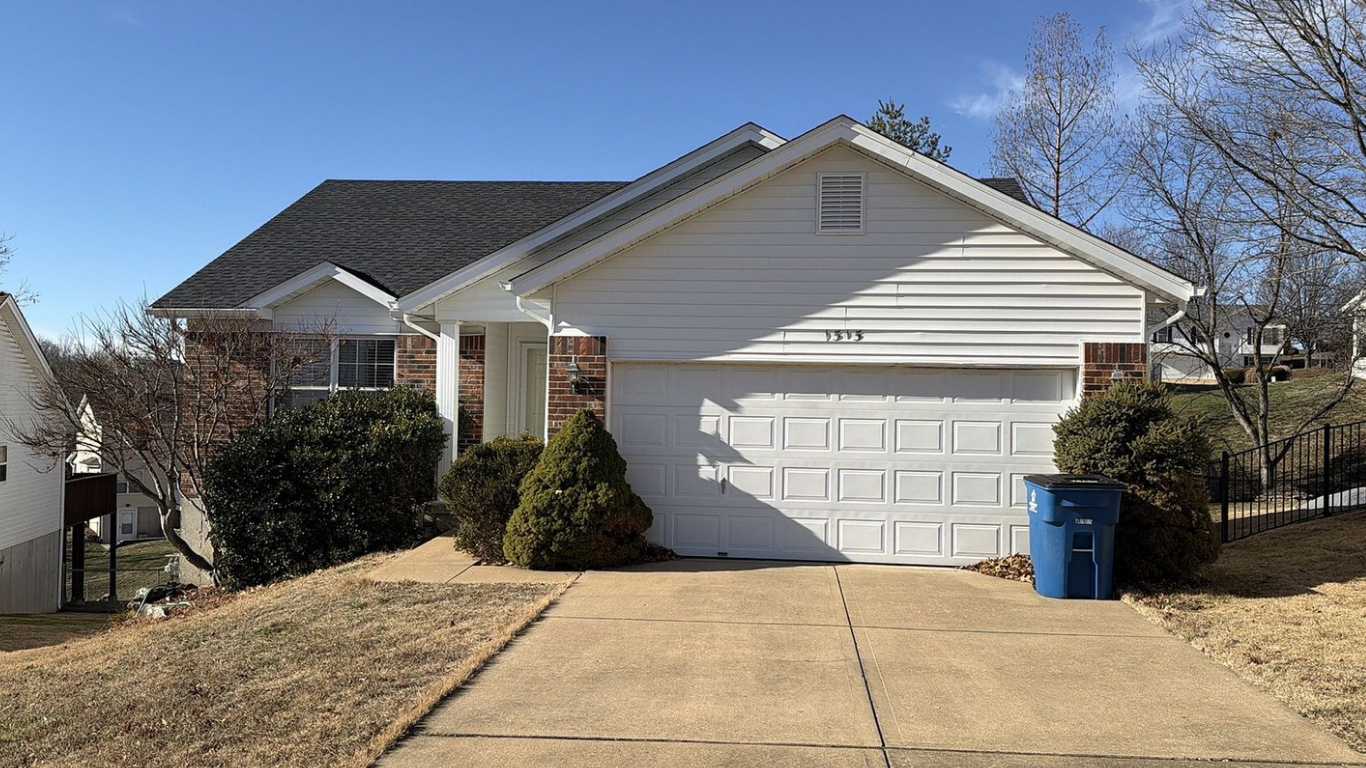
Severe storms in Missouri can leave your roof damaged in ways that aren’t immediately visible. For homeowners, properly documenting roof storm damage is essential to ensure insurance claims are processed correctly and that repairs address all affected areas. Inadequate documentation can lead to delayed repairs or even denied claims.
At FM Roofing, we work closely with homeowners to make sure every detail of roof storm damage is accurately recorded. This ensures both homeowners and insurance companies have a clear understanding of the damage, streamlining the claim and repair process.
Why Proper Documentation Is Critical
Proper documenting roof storm damage is crucial because insurance companies rely on clear evidence to approve claims. Accurate documentation can help homeowners:
- Provide proof of all visible and hidden damage
- Expedite insurance claim approval
- Avoid disputes with contractors or insurers
- Ensure complete and accurate repairs
- Protect long-term roof integrity
Without proper documentation, claims may be undervalued or delayed, putting your roof and investment at risk.
Immediate Steps After a Storm
After a storm, safety comes first. Avoid walking on a wet or damaged roof. Once it’s safe, begin the process of documenting roof storm damage.
- Assess the Damage Safely
- Look for missing shingles, broken tiles, dents in metal roofing, or other visible damage.
- Check for interior leaks, water stains, or ceiling damage caused by the storm.
- Use binoculars to inspect hard-to-reach areas.
- Take Detailed Photos and Videos
- Capture wide shots of the roof and close-ups of specific damage.
- Document gutters, vents, downspouts, and other exterior components.
- Include timestamps to strengthen your documentation.
- Create Written Notes
- Describe each area of damage, including severity and location.
- Note storm conditions, such as hail size, wind speed, or duration.
- Record any temporary repairs performed, such as tarping.
- Keep Damaged Materials
- Retain fallen shingles, tiles, or metal fragments for verification.
- These samples can be crucial during insurance inspections.
FM Roofing recommends beginning documenting roof storm damage immediately to capture the most accurate representation of the damage.
Tools to Help Document Storm Damage
Several tools can improve accuracy when documenting roof storm damage:
- Smartphones or Cameras: Take high-resolution photos and videos.
- Drones: Safely inspect hard-to-reach areas and capture full roof views.
- Measuring Tape: Record damaged areas’ size and scope.
- Apps or Software: Organize photos, videos, and written notes.
Using these tools can make the documenting roof storm damage process more thorough and credible.
Inspecting Specific Areas for Damage
To fully capture storm effects, inspect all areas of your roof:
Roof Shingles and Tiles
- Missing, cracked, or curled shingles
- Hail or wind damage dents
- Displaced tiles or granule loss
Flashing and Roof Seals
- Damaged chimney, vent, and skylight flashing
- Cracked sealant or caulking
- Loose or bent metal edges
Gutters, Downspouts, and Fascia
- Dented or detached gutters
- Water pooling or improper drainage
- Loose fascia boards
Attic and Interior
- Water stains on ceilings or walls
- Moisture or mold growth
- Sagging insulation
FM Roofing emphasizes documenting both exterior and interior damage for complete records.
Creating a Damage Report
A comprehensive damage report is essential for insurance claims. Include:
- Date and time of inspection
- Detailed notes on affected areas
- Photographs and videos with captions
- Storm details, including type and severity
- Temporary repairs performed
This ensures documenting roof storm damage is thorough and supports your claim fully.
Working With Your Insurance Company
Proper documentation ensures smoother communication with your insurer. FM Roofing recommends:
- Submitting all photos, videos, and written notes
- Being clear about damage locations
- Keeping copies of all communications
- Requesting detailed explanations for coverage decisions
Insurance adjusters rely heavily on documenting roof storm damage to make fair assessments.
Temporary Repairs and Tarping
Temporary repairs may be necessary to prevent further damage. Proper documentation of these steps is important:
- Use professional tarping methods
- Take photos of temporary measures
- Keep receipts for materials and labor
These actions support documenting roof storm damage for insurance purposes.
Avoiding Common Mistakes
Homeowners often make errors that weaken documentation:
- Waiting too long after the storm
- Photographing only the obvious damage
- Discarding fallen shingles or roofing materials
- Attempting unsafe roof access
FM Roofing helps homeowners safely inspect and document damage, ensuring roof storm damage is properly recorded.
Professional Inspections
While initial homeowner documentation is valuable, professional inspections provide credibility:
- Certified roofing contractors identify hidden damage
- Detailed reports carry weight with insurers
- FM Roofing can provide thorough inspections and documentation
Professional support strengthens documenting roof storm damage and ensures accurate claims.
Organizing Records
Keeping organized records simplifies the claim process and future maintenance:
- Maintain a digital folder with all photos, videos, and reports
- Keep written notes in chronological order
- Track temporary repairs and contractor visits
- Include all insurance communications
Organized records make documenting roof storm damage clear and defensible.
After Repairs Are Completed
Even after repairs, continue documentation:
- Photograph completed work
- Keep invoices and warranties
- Compare pre- and post-repair conditions
This ensures ongoing protection and supports future roof storm damage or warranty claims.
Why FM Roofing Is a Trusted Partner
FM Roofing specializes in helping Missouri homeowners accurately document roof storm damage. Our team:
- Identifies all areas of damage
- Works with insurance adjusters
- Provides professional reports and recommendations
- Ensures long-term roof protection
Homeowners benefit from professional guidance, ensuring documenting roof storm damage is complete and effective.
Final Thoughts
Proper documenting roof storm damage is essential after severe weather. It protects your investment, supports insurance claims, and ensures your roof is repaired correctly. Homeowners in Missouri can rely on FM Roofing to navigate storm damage documentation, keeping their homes safe and well-maintained.